Over 2 gigawatts of solar capacity could put Philippine land to work
Chit U. Juan’s agro-solar proposal pairs Philippine solar farms with vegetables, nearby buyers and value-added processing. Trials in Pampanga and Batangas test the model.
- Section
- Green Building
- Author
- By Amara Osei
- Filed
- Length
- 4 min read
Key takeaways
- At over 2 gigawatts of solar production, the country would have “a lot of land” for food-growing use, Juan says.
- Two years ago, Juan visited a Pampanga project with a consultant; last year, the group assessed a larger site in Tuy, Batangas.
- The crop list covers okra, peppers, eggplants, kangkong and spring onions for markets in Cavite and Batangas.
- Crops must avoid climbers, vines and shade that could reduce the panels’ exposure to sunlight.
- Lowland Bahay Kubo vegetables and peppers are the recommended starting crops; green leafy, high-value vegetables are not.
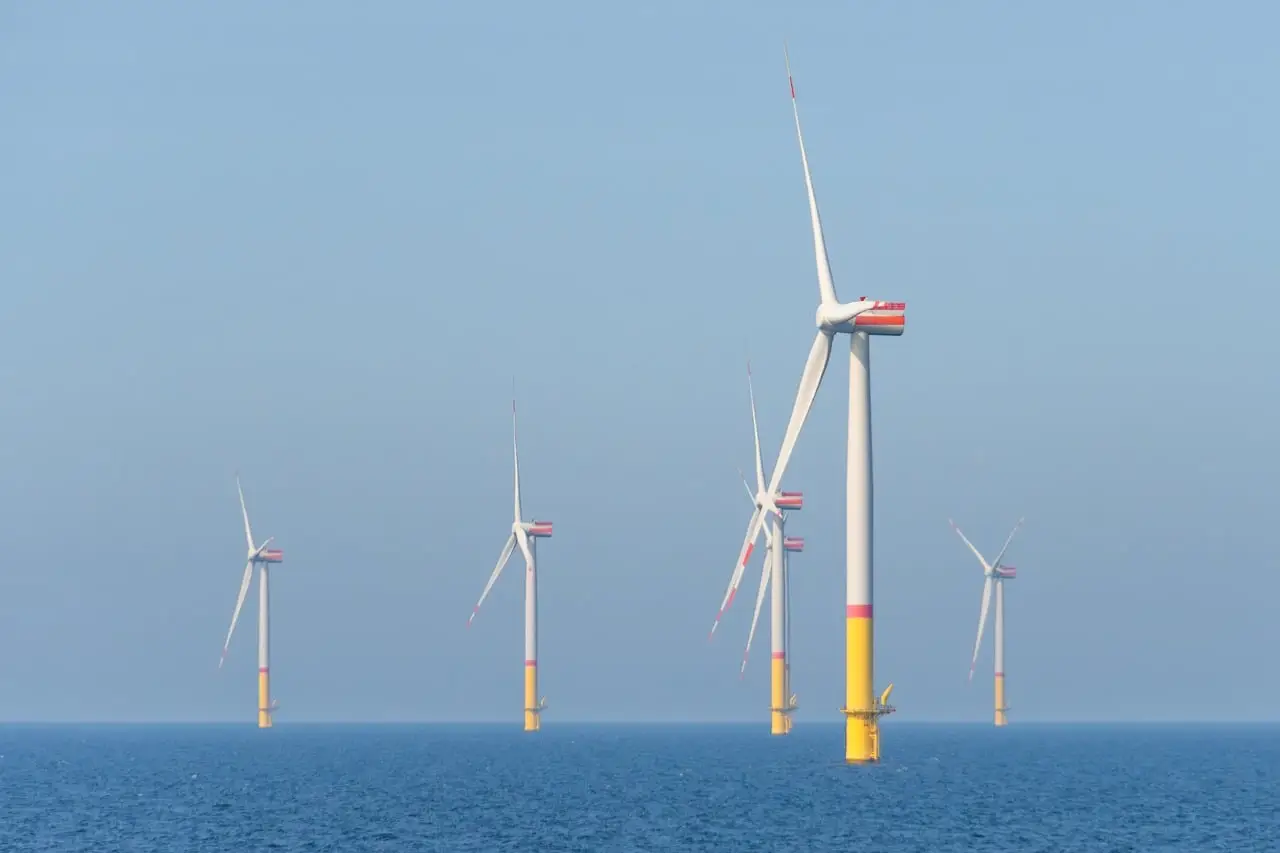
“If we are producing over two gigawatts of power, that is a lot of land,” says Chit U. Juan. He is a committee member of the Management Association of the Philippines (MAP) and an independent director of a publicly listed REIT company engaged in renewable energy.
Juan’s proposal puts vegetables around the panels and along the aisles. He sets one rule: crops must not shade the panels.
The idea struck him because of the extra hectares he saw around solar farms while serving on the REIT board. The REIT leases land to a principal company, which installs the panels. Juan describes that company as an experienced construction business whose engineers can build and operate at record pace.
What can grow beside the panels?
Two years ago, Juan accompanied a consultant to a project in Pampanga to assess whether food could grow naturally along the aisles and boundaries. Last year, the group visited a larger site in Tuy, Batangas. Juan recommended a farmer who understood what the market wanted, at least in Pampanga.
The team then looked for off-takers and markets for okra, peppers, eggplants, kangkong and spring onions in Cavite and Batangas. Juan says he hopes the work will turn the corner and become sustainable this year.
Before planting, the group checked what could grow without reducing the panels’ access to sunlight. Juan said climbers and vines were excluded, as were vegetables likely to cast shade. The team then shortlisted crops according to soil quality and water availability.
Juan recommends starting with lowland vegetables because they tolerate most soil types and may need little water. He advises skipping green leafy, high-value vegetables, which need more care, and focusing instead on Bahay Kubo everyday vegetables and peppers.
Can nearby buyers make the model work?
Juan treats the arrangement as more than spare acreage beside a solar array. It resembles a two-lease business: one tenant pays for power, the other pays for vegetables.
He says host communities could eat some produce, while excess could supply local markets. Matching crops to market demand would shorten transport routes, keep food fresh and reduce logistical costs.
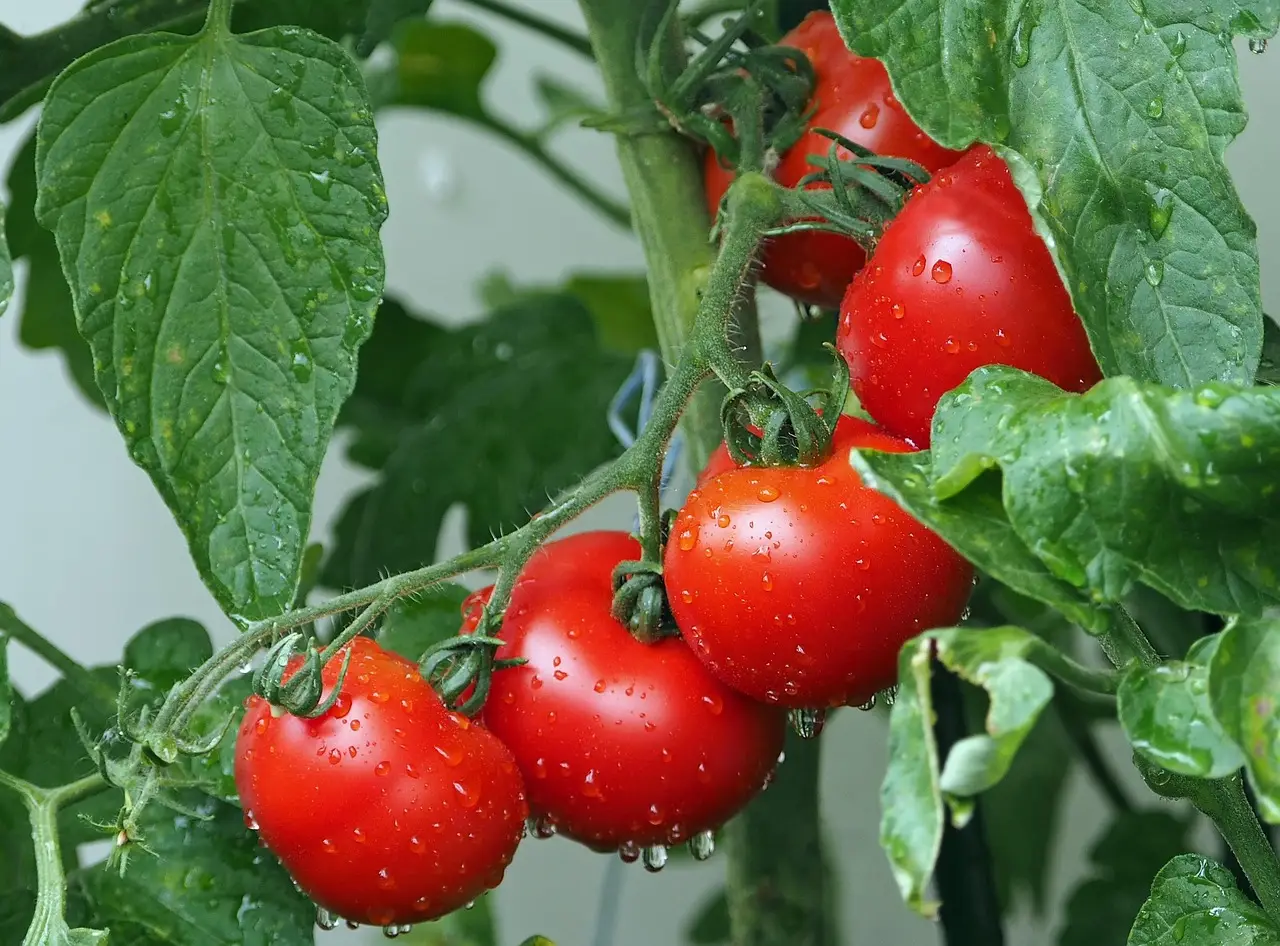
The model also needs processing beyond the field. Juan points to an Ilocos facility that cans tomatoes and may make ketchup. He proposes a processing plant in Batangas for peppers and other vegetables. He also says he has heard of vacuum drying okra and other vegetables in Vietnam and in Negros.
He recalls a farm in Lipa that grew kangkong as its main produce. Leaves went to restaurants seeking crisp, deep-fried kangkong, while stems became spring rolls for guests. Juan presents the example as a way to add value close to the farm.
The central bargain, he writes, is simple: “Agro-solar is our answer to food and energy security.” He says the balance between market demand and produce is decisive. The arrangement requires three parties to meet: the solar-farm owner, the agriculturist and the vegetable buyer.
Who has to make the arrangement work?
Juan calls on the private sector to demonstrate a repeatable model, with the Department of Agriculture’s regional offices helping landowners replicate it. He also suggests involving young people in harvesting so they can experience the production model directly.
The partnership could involve a private company or a Local Government Unit with public land. Juan says LGUs can invite solar companies to install panels while communities cultivate food-producing areas. They need only make way for companies, including his REIT, to acquire land.
Solar companies could use some of the produce, give it to employees or direct it to communities. Landowners can pursue similar arrangements. Juan calls the country’s tropical solar resource nearly unlimited, noting that a few months of rain still leave more months of sun for energy and food.
He says collaboration among experts in energy, agriculture and local commerce is the mechanism.
The article reflects Juan’s personal opinion and does not represent MAP’s official position. His listed committee roles are Health, Environment and Agribusiness. The piece links renewable power, local farming and food security in one land-use model.
The next test is commercial rather than conceptual: the crops must fit buyers, and the projects must become sustainable. If the work in Pampanga and Batangas holds, Juan’s proposal could extend to other solar farms across the country. Spare land would then contribute to food and energy security despite climate change.
Source: bworldonline.com
More from Amara Osei
Show full bio
Market editor covering companies, deals and strategy in construction industry, architecture, interior design at Built Current.
420 articles