Malawi Targets 13,600 Mini-Grid Connections a Year
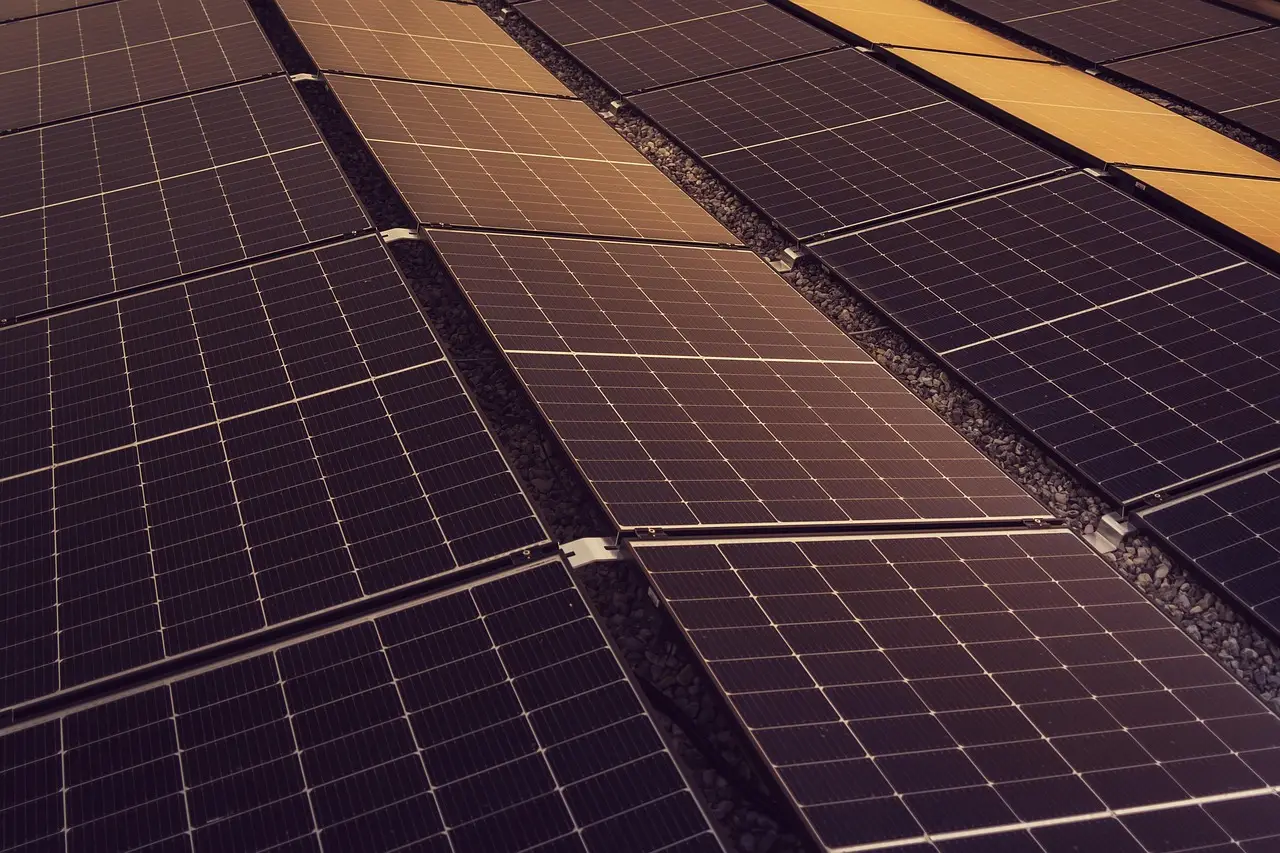
Malawi will pursue 13,600 mini-grid connections annually under its push for 70% electricity access by 2030, starting with DCP's 40 kWp solar plant at Lundu Trading Centre in Lilongwe.
- Section
- Green Building
- Author
- By Amara Osei
- Filed
- Length
- 2 min read
Key takeaways
- Malawi targets 13,600 mini-grid connections per year and 70% national electricity access by 2030
- National electricity access stands at 25.9%; only 3.8% of rural households are on the grid vs 56.5% urban
- Differ Community Power launched a 40 kWp solar mini-grid with 102 kWh storage at Lundu Trading Centre, expandable to 120 kWp
- The National Energy Compact targets 2.7 million new connections by 2030: 1.15 million grid, 1.55 million off-grid
- Off-grid strategy includes about 244,000 annual connections via solar home systems
Malawi wants at least 13,600 new mini-grid connections every year as it chases 70 percent national electricity access by 2030, Energy Minister Jean Mathanga announced Wednesday at the launch of a solar mini-grid at Lundu Trading Centre in Lilongwe.
The Lundu plant is the first investment of its kind in Malawi by Differ Community Power (DCP), a private developer stepping into a market where the state grid has plainly failed to arrive on its own.
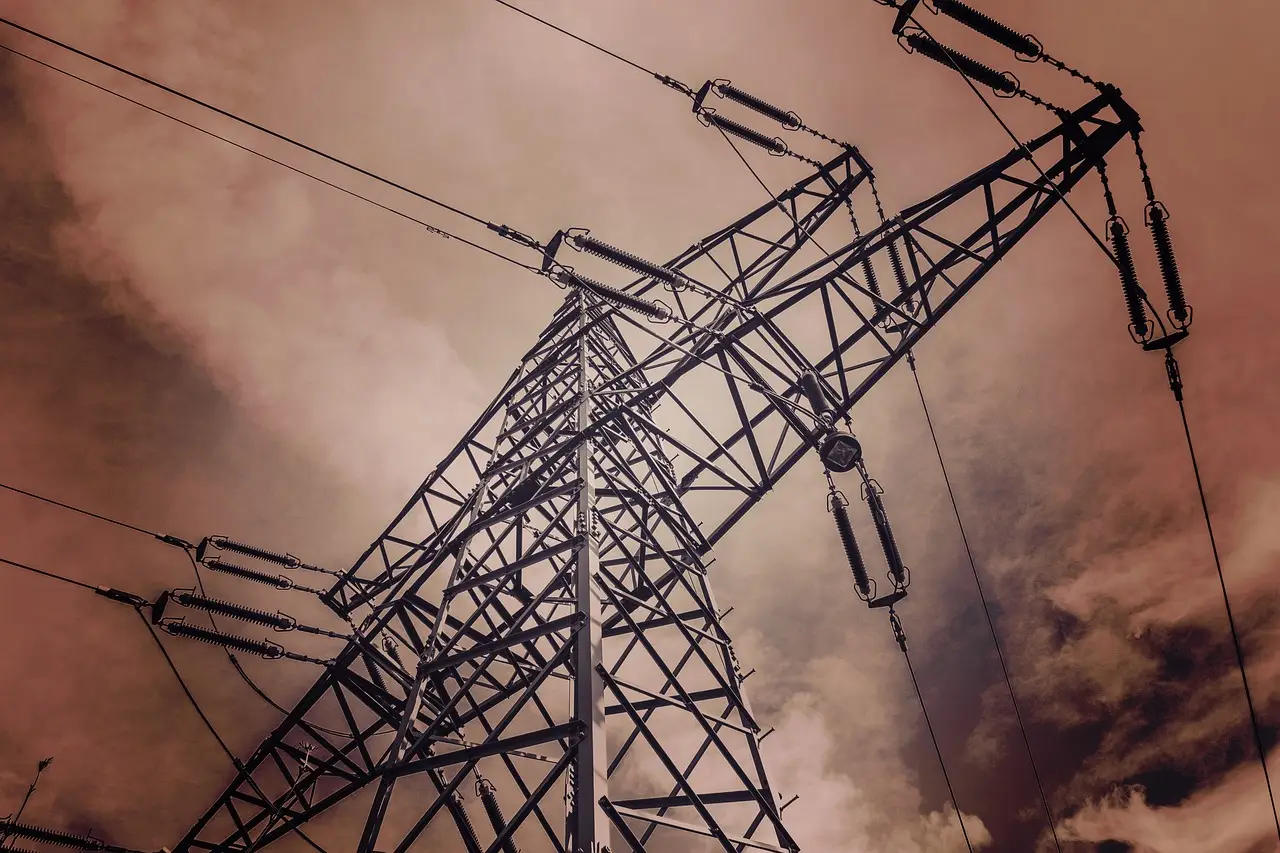
The numbers explain the urgency. National electricity access stands at 25.9 percent. Just 11.3 percent of Malawians are connected to the national grid, while 14.6 percent rely on off-grid solutions. The urban-rural split is starker still: 3.8 percent of rural households have grid power, against 56.5 percent in urban areas.
That's not a gap. It's a chasm.
What role do mini-grids play in the national plan?
Mathanga framed off-grid systems as the backbone of rural electrification, not a stopgap. "Off-grid solutions are not merely temporary alternatives; they are the bedrock of rural electrification in Malawi," she said at the launch.
Under the National Energy Compact, Malawi is targeting 2.7 million additional electricity connections by 2030:
- 1.15 million connections through national grid expansion
- 1.55 million connections through off-grid solutions
- Within the off-grid share, roughly 244,000 connections a year via solar home systems
- 13,600 connections a year via mini-grid installations
The arithmetic is simple: more than half the country's new connections will bypass the national grid entirely.
What does the Lundu facility deliver?
The new installation pairs a 40-kilowatt-peak solar array with 102 kilowatt-hours of battery storage. The design allows expansion to 120 kilowatt-peak as demand grows, letting more households and businesses tap the same asset rather than waiting for a second build.
The government expects the project to do more than light bulbs. It anticipates support for small-scale businesses, stronger rural enterprises and new income opportunities for community members at the trading centre.
The Lundu launch also signals the ministry's broader bet on private capital. Officials position DCP's investment as proof that private investors can complement government programmes in delivering clean, affordable and reliable electricity — a diversified strategy that runs grid expansion, mini-grids and solar home systems in parallel.
Can Malawi hit 70 percent by 2030?
The 2030 target requires nearly tripling access from today's 25.9 percent in four years. The ministry is betting that decentralized solar, not copper wire alone, closes most of that distance — and that private developers like DCP keep showing up with batteries and panels where the grid hasn't.
Mini-grid investments, the ministry predicts, will grow increasingly central to rural transformation, entrepreneurship and quality of life for millions. For now, Lundu's 40 kWp array is the evidence on the table.
Source: malawifreedomnetwork.com
More from Amara Osei
Show full bio
Market editor covering companies, deals and strategy in construction industry, architecture, interior design at Built Current.
398 articles