Philippines Approves P29.98-Billion Agus-Pulangi Hydropower Rehabilitation
The ED Council approved the P29.98-billion Agus-Pulangi hydropower rehabilitation, a costlier Samal-Davao bridge, student dormitories, and a flood project extension.
- Section
- Green Building
- Author
- By Marcus Bennett
- Filed
- Length
- 3 min read
Key takeaways
- ED Council approved the P29.98-billion Agus-Pulangi Hydropower Complex rehabilitation on Thursday.
- Samal Island-Davao City Connector cost rose to P26.78 billion from P23.04 billion, with completion extended to Nov. 30, 2029.
- Metro Manila Flood Management Project Phase I received a six-month extension to May 31, 2027.
- Project BALAY will pilot student dormitories at five state universities and colleges.
- The council adopted DEPDev's Social Protection Floor Prioritization Matrix for National Expenditure Program proposals.
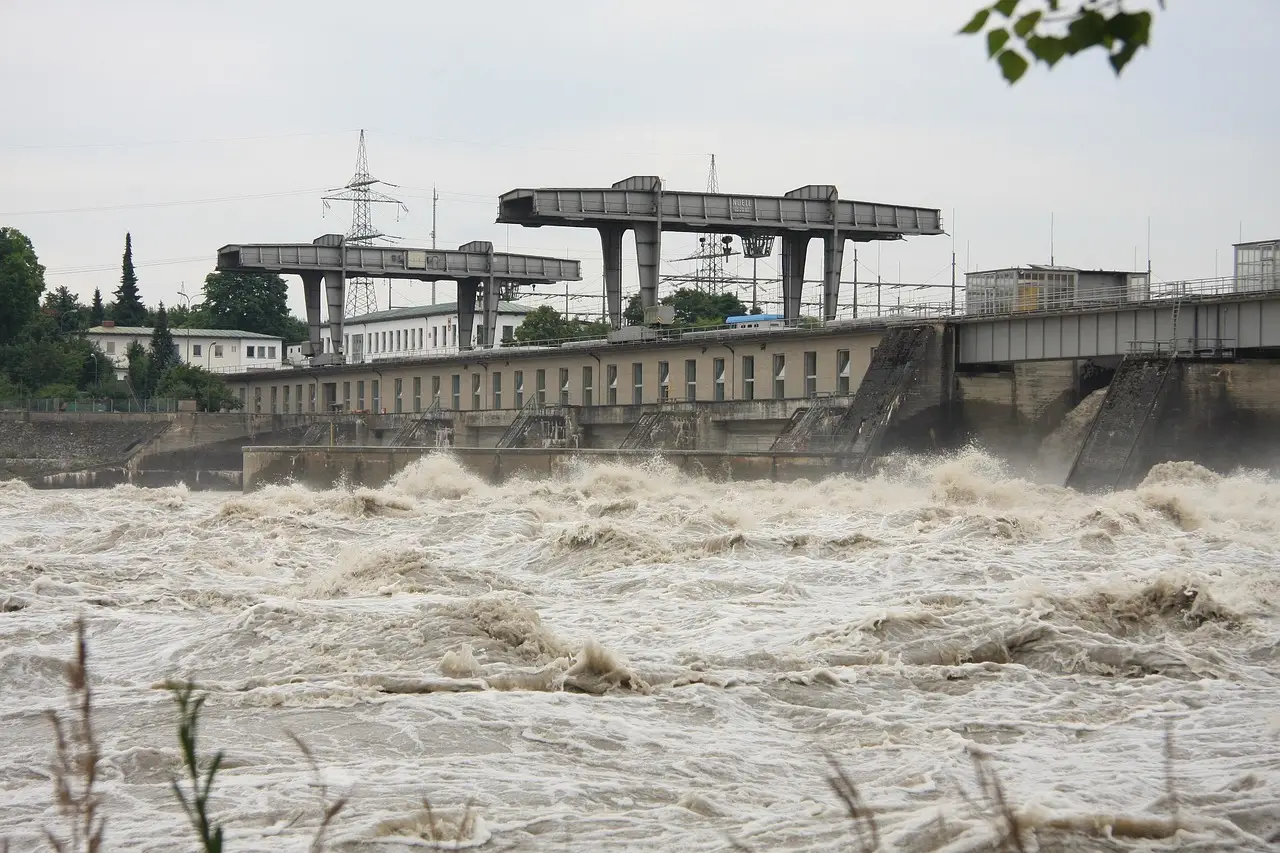
The Economy and Development Council has approved a P29.98-billion rehabilitation of the Agus-Pulangi Hydropower Complex, the Department of Economy, Planning, and Development (DEPDev) announced on Thursday. The decision targets power generation and grid reliability across Mindanao, where the seven-plant complex remains the backbone of the electricity supply.
The Agus-Pulangi Hydroelectric Power Plants Rehabilitation and Asset Management Project will modernize all seven plants, improve reliability, and address environmental concerns at the complex, DEPDev said in a statement.
Why Mindanao's grid matters
Economy Secretary and ED Council Vice-Chair Arsenio M. Balisacan framed the investment in regional economic terms. "Reliable and affordable energy is essential for Mindanao to realize its growth potential," he said. "The rehabilitation of the Agus-Pulangi hydropower complex will help power productivity, investment, and jobs across the region."
For practitioners, the approval signals a decade-defining modernization program on infrastructure that has long carried the region's baseload. Hydropower at this scale, once rehabilitated, changes the calculus for industrial siting and for private generation investment competing on Mindanao's grid.
What else did the council approve?
The council's decisions extended well beyond energy:
- Samal Island-Davao City Connector Project. The council approved adjustments to the design, raised the project cost to P26.78 billion from P23.04 billion, and extended the implementation period until Nov. 30, 2029. DEPDev said the link "will provide a reliable transport link between Davao City and the Island Garden City of Samal, which will improve access to tourism destinations and markets, and expand residents' access to jobs, education, and other services."
- Project BALAY. The Commission on Higher Education will pilot the Building Access to Learning for Students program at five state universities and colleges, providing safe and affordable dormitories for students from disadvantaged backgrounds.
- Metro Manila Flood Management Project. Phase I received a six-month extension of its implementation period, to May 31, 2027.
- Land use planning. The council endorsed a proposed executive order clarifying the roles of local government units and national agencies, and streamlining procedures for the reclassification and conversion of agricultural lands to improve coordination and efficiency.
- **Social protection." The council adopted DEPDev's Social Protection Floor Prioritization Matrix, which will guide how proposals for social protection spending are prioritized under the National Expenditure Program.
The connector bridge's P3.74-billion cost increase, from P23.04 billion to P26.78 billion, marks one of the larger single-project adjustments in the council's recent record, and contractors will read the 2029 deadline as a revised delivery window.
How the approvals fit together
Balisacan tied the package to a broader investment logic. "Our economic growth depends on getting the conditions right and having public investments that reinforce one another," he said. "These investments in reliable energy, human development, resilient infrastructure, and effective social protection create the conditions for Filipinos to succeed and communities to prosper."
The sequencing matters for the delivery chain. Energy rehabilitation, transport connectivity, student housing, flood control, and land use procedure now move through procurement and implementation under a single prioritization framework, with the Social Protection Floor Prioritization Matrix set to shape spending proposals in the next National Expenditure Program cycle.
Source: bworldonline.com
More from Marcus Bennett
Show full bio
Correspondent covering money, funding and market shifts around construction industry, architecture, interior design at Built Current.
328 articles