Philippines Needs Independent Nuclear Regulator Before Reactors, Experts Say
Experts say the Philippines must activate its independent nuclear regulator, PhilATOM, before any reactor project can move. The 2032 target is 1,200 MW, but council appointments are still pending.
- Section
- Green Building
- Author
- By Grace Kim
- Filed
- Length
- 3 min read
Key takeaways
- The Philippine Energy Plan targets at least 1,200 MW of nuclear capacity by 2032, rising to 4,800 MW by 2050.
- RA 12305, signed Sept. 18, 2025, created PhilATOM, but the Office of the President has yet to appoint its council despite a 180-day deadline for implementing rules.
- MGEN is studying small modular reactors with a $2.8-million grant from the US Trade and Development Agency.
- The Department of Energy is preparing the country's first nuclear power project auction, with bidding rules still in development.
The Philippines wants 1,200 megawatts of nuclear capacity online by 2032 — but the regulator meant to oversee that buildout still hasn't been activated. Industry experts said this week that an independent nuclear regulatory body must be in place before the industry itself takes shape.
Aaron Green, president and chief executive officer of US energy solutions organization EōS, told a media roundtable on Monday that a strong, independent regulator is essential for ensuring safety and security before the Philippines rolls out nuclear energy technology.
"The regulatory body that oversees that construction needs to be in place, and needs to have a very strong foundation," Green said.
"At the end of the day, if any of these reactors were to come to the Philippines, you would want to know that the regulator was (overseeing) safety and security, and enforcing the safeguards," he added.
What does the law actually do?
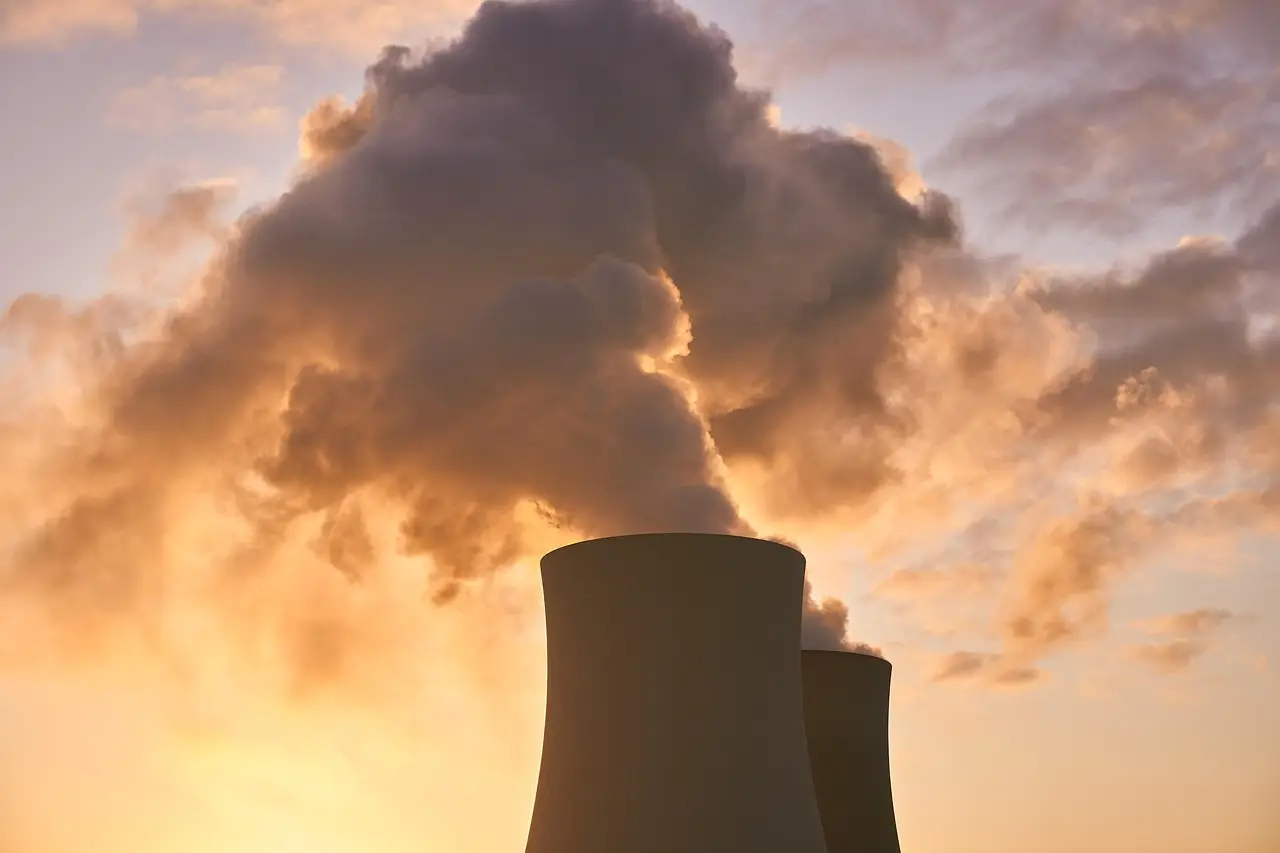
The Philippine Energy Plan calls for nuclear energy to enter the national power mix with at least 1,200 MW of capacity by 2032, doubling to 2,400 MW by 2045 and reaching 4,800 MW by 2050.
The country laid its institutional groundwork through Republic Act No. 12305, the Philippine National Nuclear Energy Safety Act, signed on Sept. 18, 2025. The law creates the Philippine Atomic Energy Regulatory Authority, or PhilATOM, tasked with overseeing all nuclear and radiation-related activities.
The implementing rules and regulations were supposed to be issued within 180 days of the signing. That deadline has effectively stalled because the Office of the President has yet to appoint the officials who will comprise the PhilATOM Council.
What changes if PhilATOM stays dormant?
Quite a lot, according to Carlo A. Arcilla, former director of the Philippine Nuclear Research Institute. He said proposed nuclear energy projects won't be able to move without PhilATOM in place.
"PhilATOM has to be activated first. If you look at the law, it's one of the best nuclear laws in the world. It went through a severe test," Arcilla said.
He argued nuclear power could provide a dependable source of electricity to complement renewable energy, provided projects meet established safety and regulatory standards.
"Nuclear energy can provide reliable electricity regardless of weather conditions. The technology that has been used around the world for decades, and advances in reactor design have strengthened safety systems," Arcilla said.
"For the Philippines, the priority is to select appropriate technologies and locations, conduct rigorous scientific assessments, and ensure effective regulatory oversight," he added.
Money and technology still have to line up
The Department of Energy is organizing an auction for the first nuclear power projects, with the bidding rules still being developed.
Felino M. Bernardo, head of strategic energy transition at Meralco PowerGen Corp. (MGEN), said developing nuclear power in the Philippines requires three major components: technology, an enabling regulatory framework, and a viable revenue model.
"If you don't have the policies, regulations, rules, everything, and you don't have a viable revenue stream, it won't move. So that's the challenge," Bernardo said.
MGEN, through its Nuclear Energy Strategic Transition program, is conducting a comprehensive feasibility study on small modular reactors, supported by a $2.8-million grant from the US Trade and Development Agency.
Until the President appoints the PhilATOM Council and the implementing rules land, the Philippines' 2032 nuclear target rests on paperwork that exists in law but not yet in practice.
Source: bworldonline.com
More from Grace Kim
Show full bio
Staff writer covering money, funding and market shifts around construction industry, architecture, interior design at Built Current.
324 articles