ACEN Surrenders 13 Contracts Covering Nearly 5 GW of Philippine Renewables
ACEN surrendered 13 service contracts covering nearly 5 GW of Luzon solar and wind projects, shifting from rapid expansion to execution as shares fell 8.05%.
- Section
- Green Building
- Author
- By Marcus Bennett
- Filed
- Length
- 4 min read
Key takeaways
- ACEN relinquished 13 service contracts covering nearly 5 GW of proposed Luzon solar and wind capacity.
- Affected projects include the 1,248-MW Manila Bay wind farm and the 1,024-MW Calatagan offshore wind farm.
- ACEN shares fell 8.05% to P2.40 on the day of the disclosure.
- ACEN posted a third-quarter attributable net loss of P609.25 million, reversing a P1.03-billion profit.
- Roman Miguel G. de Jesus becomes CEO of ACEN Philippines effective Jan. 1, 2027.
By Marcus Bennett
ACEN Corp. has given up 13 renewable energy service contracts covering nearly 5 gigawatts of proposed solar and wind capacity in Luzon, the company disclosed on Thursday. The Ayala-led producer surrendered seven solar and six wind contracts as part of a wider review of its development pipeline, and its shares fell 8.05% to close at P2.40 on the local bourse the same day.
"Our focus is shifting from rapid expansion to focused execution, capital efficiency, and business resilience," ACEN President and Chief Executive Officer Eric T. Francia said. He said the company will allocate capital and resources more selectively, prioritizing projects it can actually develop and complete.
Which projects are gone?
The relinquished wind portfolio includes some of the company's largest proposed developments:
- the 1,248-megawatt (MW) Manila Bay wind farm;
- the 1,024-MW Calatagan offshore wind farm;
- the 420-MW East Ecija wind farm; and
- the 300-MW Zambales North wind farm.
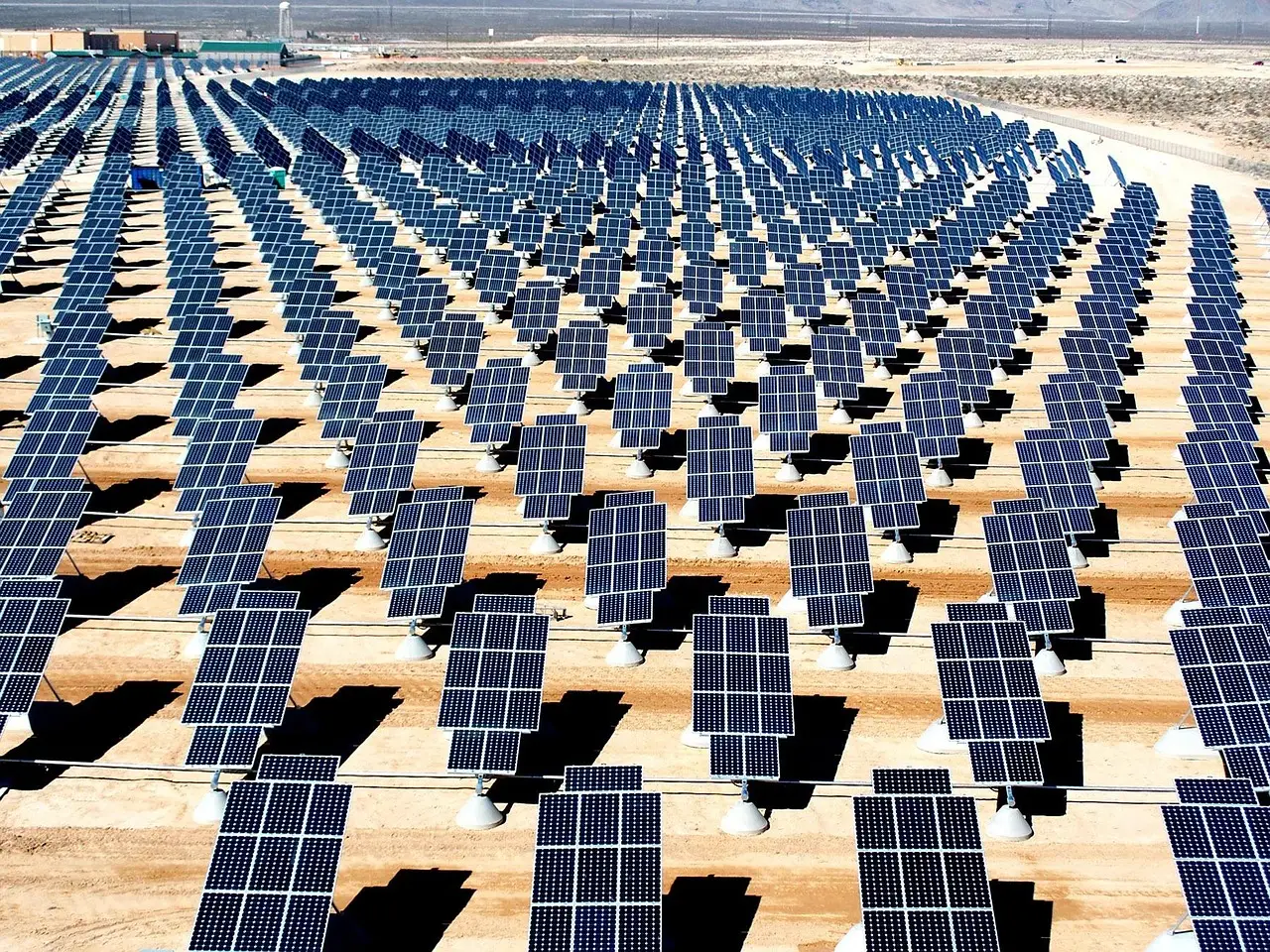
The solar contracts cover the proposed 822.8-MW Masinloc solar farm in Zambales, a 300-MW solar farm in Rizal, and a 200-MW floating solar project, also in Rizal.
ACEN said all surrendered projects sat in early-stage development and had not reached final investment decisions. "The relinquishments have no material impact on ACEN's operations and are consistent with the Department of Energy's (DoE) ongoing service contract cleanup initiative," the company said.
How big is the retreat, really?
The move follows a decade of growth during which ACEN's attributable renewable capacity expanded from roughly 100 MW in 2016 to approximately 7.48 GW. Its portfolio spans operating, under-construction, and committed projects across the Philippines, Australia, Vietnam, India, Indonesia, Laos, and the United States.
The DoE has driven part of this contraction. Beginning in 2024, the department intensified its review of stalled renewable projects and cancelled service contracts covering nearly 18 GW of proposed capacity.
Francia said the company remains committed to renewables in the Philippines and overseas. "We remain committed to investing in the energy transition, with greater emphasis on delivering our existing commitments and pursuing opportunities where we can create the greatest value," he said.
What do analysts read into it?
Juan Paolo E. Colet, managing director at China Bank Capital Corp., said the relinquishments could shrink ACEN's pipeline and temper its growth trajectory, but could also free resources for better use. "This is a necessary phase in ACEN's evolution as a renewable energy platform. Improved operational excellence and financial discipline will better position the company to take advantage of growth opportunities in the future," he told BusinessWorld.
Toby Allan C. Arce, head of sales trading at Globalinks Securities and Stocks, Inc., said the decision should not be read as a retreat from renewables but as a shift toward more selective development. "From a financial perspective, relinquishing early-stage projects could allow ACEN to concentrate management attention and capital on more viable developments with clearer execution timelines and potentially better returns," he said. "However, that benefit remains prospective, and the disclosure does not establish that the surrendered projects were commercially unviable."
Why now?
The portfolio review follows a bruising quarter. ACEN booked an attributable net loss of P609.25 million for the third quarter, reversing a P1.03-billion profit a year earlier, after additional costs tied to wind turbine removal and solar farm cable repairs. For the first nine months of 2026, consolidated net income rose 84% to P3.3 billion, supported by higher renewable generation across its markets.
Alongside the review, ACEN has restructured its leadership. Roman Miguel G. de Jesus, chief operating officer since 2025, becomes chief executive officer of ACEN Philippines effective Jan. 1, 2027. Ma. Cecilia T. Cruzabra takes over as group chief financial officer and Theodore Ivan Paris as group treasurer on the same date. Francia remains president and CEO of the listed parent.
The company has split its operations into three business units covering the Philippines, international investments, and Australia, each with separate executives responsible for operating performance and project delivery.
"Our next phase is about translating the scale we have built into stronger operating performance and long-term value," Francia said. "We are prioritizing the successful delivery of projects, improving the efficiency of our capital and operations, and pursuing growth selectively. These leadership appointments and our organizational realignment support that direction," he added.
For developers and contractors tracking ACEN's pipeline, the signal is clear: fewer early-stage tenders in Luzon, sharper competition for the projects that survive, and a client now measuring partners on delivery rather than ambition.
Source: bworldonline.com
More from Marcus Bennett
Show full bio
Correspondent covering money, funding and market shifts around construction industry, architecture, interior design at Built Current.
328 articles