Korea-Funded Smart Greenhouse Opens in Aklan, Three More to Follow
The DA opened its first KOICA-backed smart greenhouse in Kalibo, Aklan, with three more climate-controlled facilities planned for Iloilo, Antique and Negros Occidental.
- Author
- By Elena Vasquez
- Filed
- Length
- 2 min read
Key takeaways
- The DA opened its first smart greenhouse in Kalibo, Aklan, with 3 more sites planned
- South Korea funds the facilities through the Korea International Cooperation Agency
- The network targets 8 crops including cherry tomato, lettuce, bell pepper and sesame
- Upcoming sites are in Iloilo, Antique and Negros Occidental
- Agriculture Secretary Francisco P. Tiu Laurel, Jr. said the greenhouses support year-round production
The Department of Agriculture (DA) has opened its first "smart" greenhouse in Aklan, with three more facilities planned across the region in the coming months.
The project, formally called the Value Chain Enhancement of High-Value Crops through Smart Agriculture facility, sits at the Aklan Agri-Aqua Demonstration Farm and Training Center in Kalibo. South Korea funds the network through the Korea International Cooperation Agency (KOICA).
What makes these greenhouses "smart"?
Each facility runs automated, climate-controlled systems that shield crops from erratic weather. That's the core mechanism: instead of leaving yields to the monsoon cycle, the greenhouse holds a stable internal climate year-round.
Agriculture Secretary Francisco P. Tiu Laurel, Jr. framed the payoff in plain terms in a statement: "By providing a climate-controlled environment, smart greenhouses can support year-round production, regardless of changing weather conditions. That means a more dependable supply of food, better income opportunities for farmers, and a stronger foundation for food security."
For Aklan's farmers, the shift is practical. Outdoor growers in the province currently lose production windows to unpredictable rain and heat. A controlled environment removes that constraint — one harvest season becomes several, and supply stops swinging with the weather.
Where the next facilities will go
The DA said the Kalibo site is only the first. Three more smart greenhouses will follow at:
- Iloilo
- Antique
- Negros Occidental
Together, the four sites form a regional network aimed at the high-value crop industry — produce that earns farmers more per square meter than staple grains.
Which crops are being targeted?
The greenhouse network will focus on eight crops:
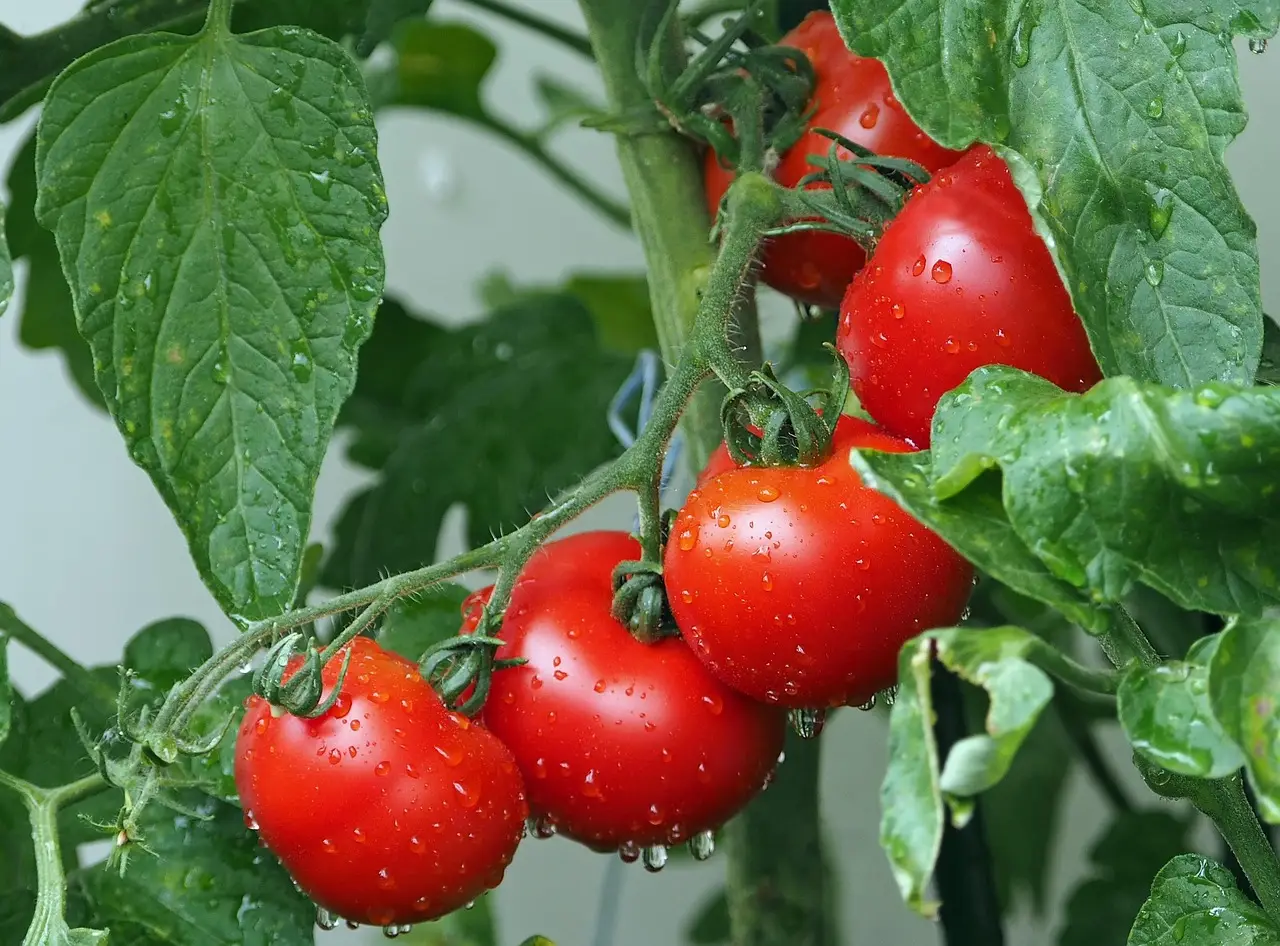
- Cherry tomato
- Lettuce
- Honeydew melon
- Cucumber
- Bell pepper
- Herbs
- Chives
- Sesame
The list is telling. Cherry tomatoes, lettuce and bell peppers are exactly the crops that restaurant and retail buyers in the Philippines often import at premium prices, because local open-field production can't guarantee steady quality. Protected cultivation closes that gap.
The training center angle matters too. Because the Kalibo facility sits on a demonstration farm, it doubles as a classroom — a place where regional farmers can see the automated systems working before committing to the model themselves.
The DA has not announced opening dates for the Iloilo, Antique and Negros Occidental sites, only that they will follow "soon." If the rollout stays on schedule, Western Visayas will have four climate-controlled production and training hubs operating within a single funding cycle.
For a province like Aklan, whose farm income has long tracked the weather calendar, that could be the difference between one payday a year and twelve.
Source: bworldonline.com
More from Elena Vasquez
Show full bio
Senior reporter covering money, funding and market shifts around construction industry, architecture, interior design at Built Current.
405 articles