Philippines Eyes 10,000 Solar Jobs as APVIA and ACE Sign Five-Year Deal
APVIA and ACE signed a five-year deal in Manila to train and certify the Philippines' solar workforce, as the country targets 10,000 new jobs and 35% renewables by 2030.
- Section
- Green Building
- Author
- By Grace Kim
- Filed
- Length
- 2 min read
Key takeaways
- APVIA and ACE signed a five-year MOU at the ASEAN Energy Summit in Manila
- The Philippines' 2030 solar deployment target could create around 10,000 jobs
- Philippine renewables added a record 794.34 MW in 2024, now roughly 956 MW total
- The country targets 35% renewable share by 2030 and 50% by 2040
- IEA data cited by APVIA projects employment growth in Southeast Asia through 2035
The Philippines could gain roughly 10,000 solar jobs by 2030 under a new five-year agreement between the Asian Photovoltaic Industry Association (APVIA) and the ASEAN Centre for Energy (ACE).
APVIA announced the memorandum of understanding on Sunday. The two organizations signed it during the ASEAN Energy Summit in Manila, with the stated goal of upskilling the country's solar workforce.
"Through the partnership, APVIA and ACE aim to strengthen regional skills assessments, develop industry-aligned competency standards, support training initiatives and explore certification frameworks that can professionalize the solar workforce and improve career opportunities for new entrants," APVIA said in its statement.
Why the region is acting now
The deal responds to a gap that's already slowing projects down. Citing data from the International Energy Agency, APVIA said electrification and renewable energy expansion are expected to drive substantial employment growth in Southeast Asia through 2035.
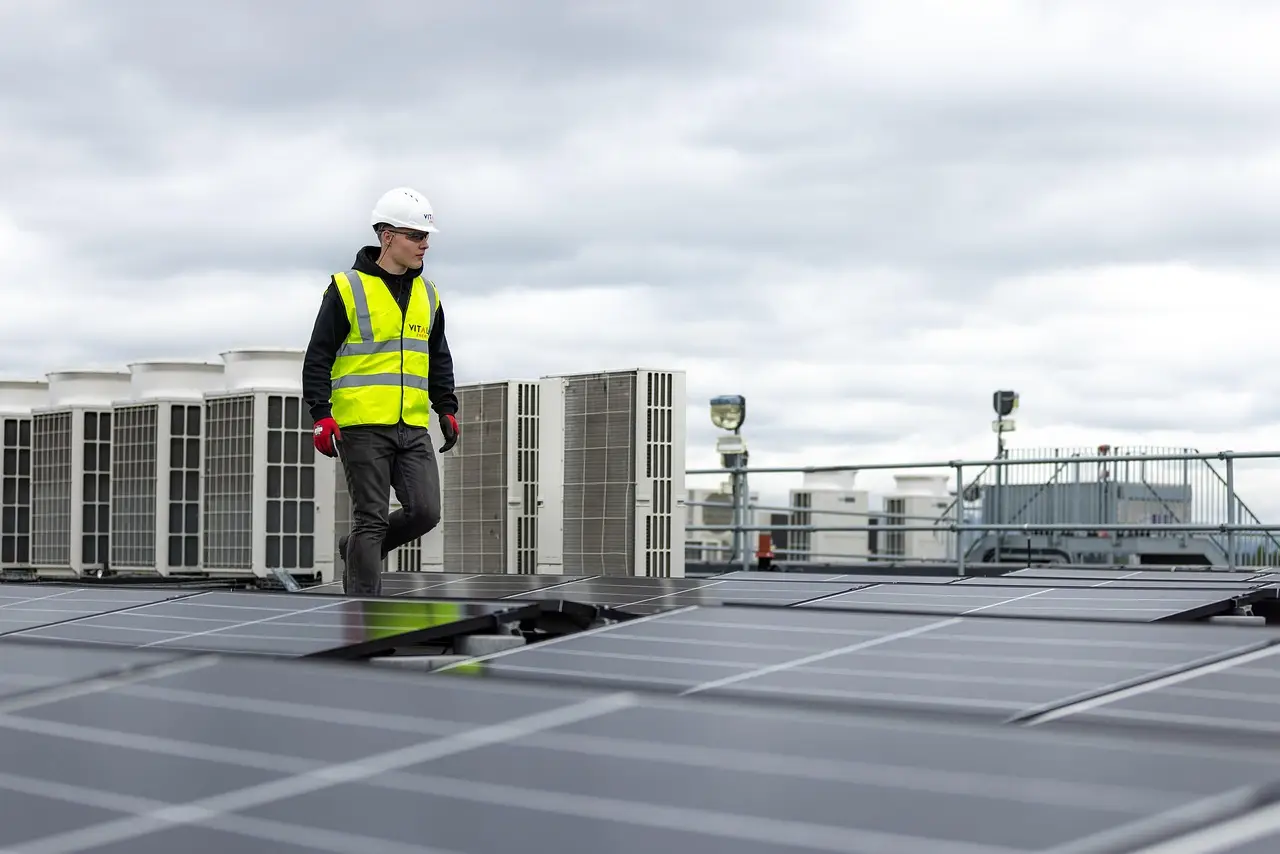
But the energy transition can't hire people who don't exist. Energy companies across the region report difficulties hiring solar PV installers, electricians, grid line workers and battery technicians, and APVIA warns that these skills shortages could constrain the sector's growth.
"Despite this potential, investment in technical training and workforce development need to keep pace with industry expansion," the group said.
What does this change for Filipino workers? In practical terms, the partnership is meant to align what schools teach with what employers actually need. APVIA and ACE aim to strengthen coordination among industry, governments and technical and vocational education institutions, so training programs respond to real employer requirements rather than operating in isolation.
A market already breaking records
The timing isn't accidental. The Philippine renewable energy program recorded its best year yet in 2024, with 794.34 megawatts of new installations — more than the combined total added from 2021 to 2023. The build-out has since expanded to roughly 956 MW of new capacity added to the grid.
That growth sits inside an ambitious national target. The Philippines aims to raise the share of renewable energy in its power mix to 35% by 2030 and 50% by 2040. Hitting those numbers depends on installers, electricians and technicians being available in volume — which is exactly where the current bottleneck sits.
The APVIA estimate of around 10,000 jobs from the country's solar deployment target toward 2030 gives the training push a concrete number to plan against. If the certification frameworks and competency standards now on the drawing board take shape, the five-year agreement could determine whether the Philippines' record-setting installation pace continues — or stalls for lack of qualified hands.
Source: bworldonline.com
More from Grace Kim
Show full bio
Staff writer covering money, funding and market shifts around construction industry, architecture, interior design at Built Current.
394 articles