Renewables could supply half of global electricity by 2035, IEA says
The IEA projects renewables at 45–50% of global electricity by 2035, more than 10,000 TWh of demand growth and at least 25 million kilometres of new power lines.
- Section
- Green Building
- Author
- By Marcus Bennett
- Filed
- Length
- 4 min read
Key takeaways
- Renewables could supply 45–50% of global electricity by 2035, up from approximately 33%.
- Solar PV generation increased by approximately 600 TWh in 2025.
- Global electricity demand could grow by more than 10,000 TWh over the next decade.
- Power systems need at least 25 million kilometres of new lines and 15 million kilometres of replacement or upgrades.
- The net-zero scenario places renewables and nuclear at almost 90% of electricity generation by 2035.
Marcus Bennett
The International Energy Agency's World Energy Outlook 2026 projects that renewables could supply 45–50 percent of global electricity by 2035.
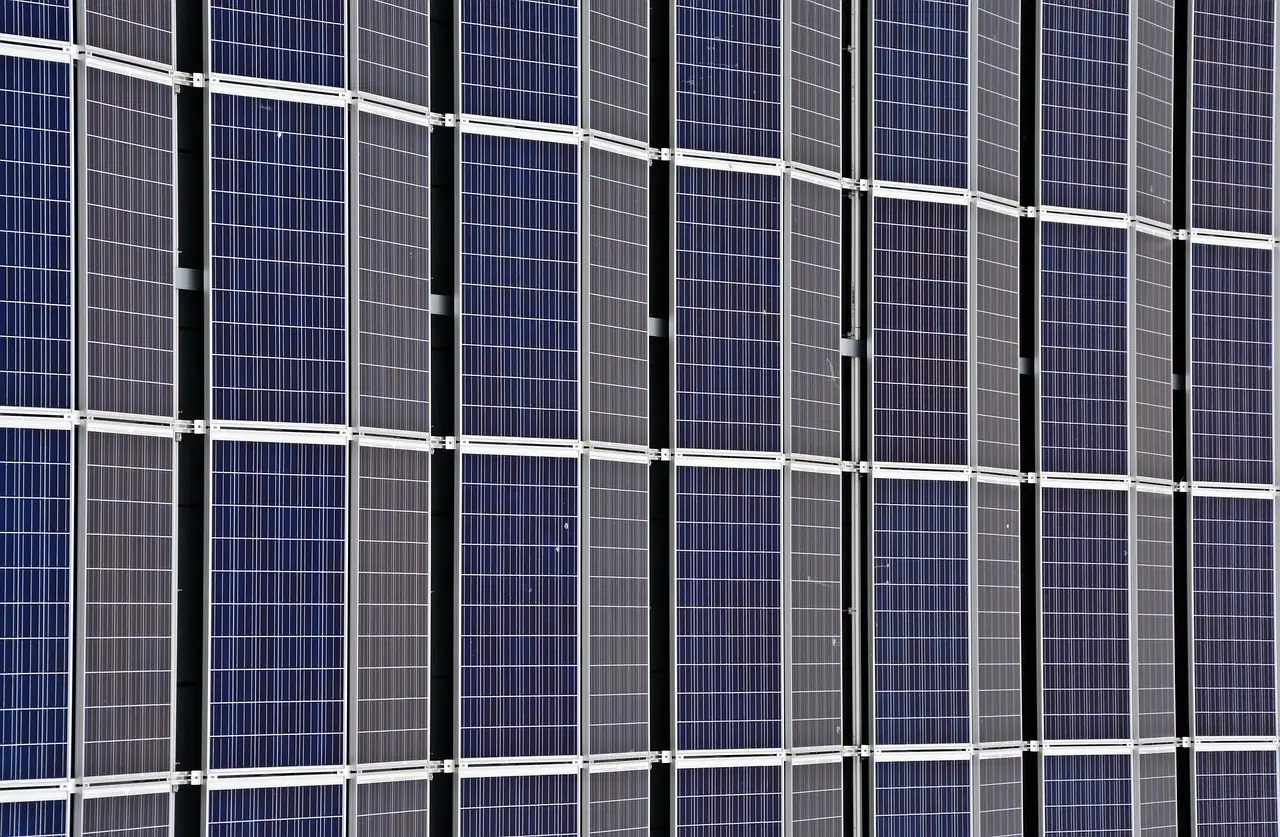
In the IEA's CPS and STEPS scenarios, that share rises from approximately 33 percent of global electricity generation. Solar photovoltaics lead the expansion. Onshore wind, offshore wind, hydropower, geothermal and bioenergy also contribute.
The IEA identifies ten developments that will shape renewable investment, power generation and electricity infrastructure through 2035. It frames the outlook around government responses to energy-security risks, rising electricity consumption and changing technology costs.
What changes by 2035?
The IEA records that global solar PV generation increased by approximately 600 TWh in 2025. It calls this the third-largest annual increase ever recorded for any individual energy source. Solar PV also contributed more to growth in overall global energy demand than any other source, reflecting an expanding role beyond conventional electricity markets.
The IEA puts global manufacturing capacity for solar PV modules and batteries at roughly twice the volume deployed in 2025. It identifies manufacturing oversupply, intense competition and falling technology prices as deployment drivers. It also flags concentrated manufacturing and critical mineral processing as supply-chain risks.
Global electricity consumption could increase by more than 10,000 TWh over the next decade, the IEA projects. Electric vehicles, air conditioning, industrial electrification, heat pumps and data centres drive that increase.
Since 2019, electricity demand has grown by 3.3 percent annually, according to the IEA. That pace exceeds global GDP growth of 2.9 percent and overall energy demand growth of 1.5 percent.
Electricity accounted for approximately 23 percent of global final energy consumption in 2025. Under the IEA's CPS and STEPS scenarios, its share approaches 30 percent by 2035 as transport, buildings and industry electrify.
The IEA finds cost-competitive opportunities to electrify roughly half of fossil-fuel demand in road transport and space heating. It identifies nearly 40 percent of fuel-based low- and medium-temperature industrial heat demand as another opportunity.
What must the grid absorb?
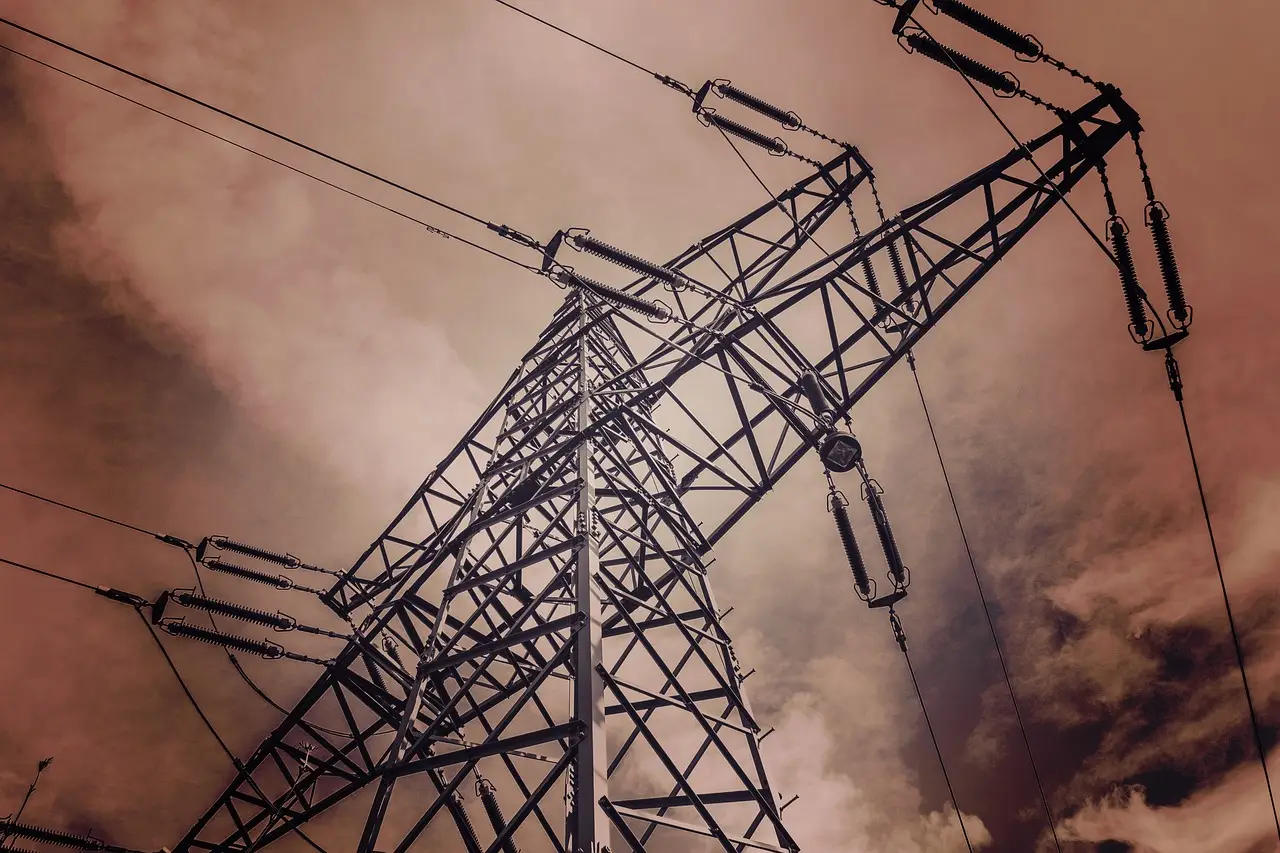
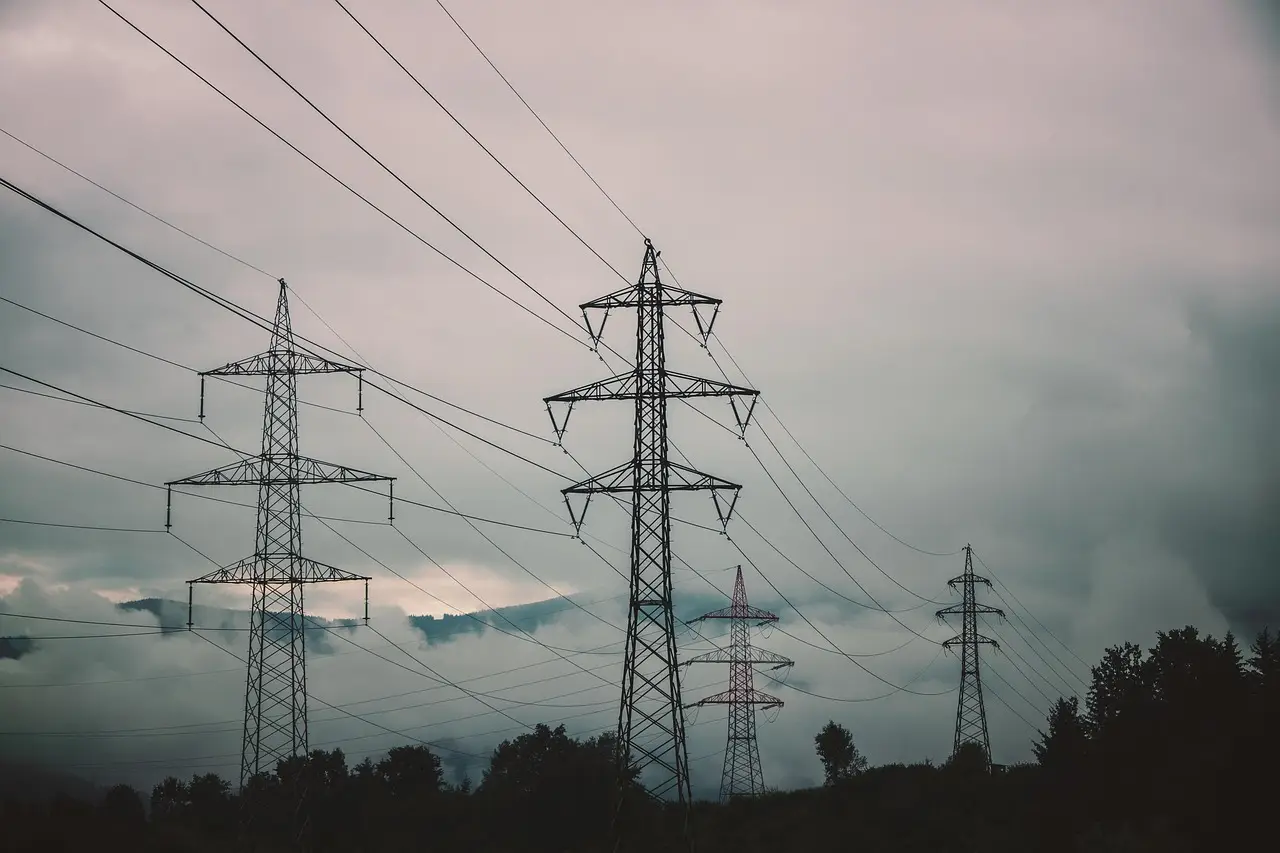
The IEA estimates that electricity systems need at least 25 million kilometres of new power lines over the next decade. Another 15 million kilometres of existing lines require replacement or upgrades. The IEA says both programmes are essential for integrating renewable capacity, connecting new consumers and improving reliability.
The agency names transformer, cable, copper and other electrical-equipment shortages as constraints on grid expansion. It identifies a need for more efficient grid operation and investment in technologies that provide the greatest system value.
The IEA identifies battery energy storage, demand response and flexible power generation as increasingly important investments as renewable penetration rises. Expanding solar and wind requires systems that balance variable generation against consumption.
In the IEA's STEPS scenario, global electricity consumption for cooling increases by approximately 1,700 TWh by 2035. A separate heatwave case adds another 700 TWh, roughly 40 percent above the STEPS projection.
The IEA says this cooling load would require more generation capacity, transmission networks, distribution infrastructure and electricity-system flexibility. These needs sit alongside expansion and renewal of the existing grid.
Where is capital moving?
Annual investment by energy-importing economies in low-emissions power, energy efficiency, electrification, electricity grids and storage has increased by almost $500 billion since the 2022 energy crisis, the IEA says.
The IEA expects the 2026 energy crisis to reinforce spending on domestic electricity generation and technologies that reduce dependence on imported fossil fuels. Higher borrowing costs remain a significant obstacle for capital-intensive renewable projects, particularly in emerging economies.
In the IEA's Net Zero Emissions by 2050 Scenario, renewables and nuclear power together account for almost 90 percent of electricity generation by 2035. The IEA compares that figure with approximately 42 percent today.
The same scenario requires electricity to reach 35 percent of final energy consumption by 2035. The IEA presents both figures as a measure of the renewable generation, nuclear power, infrastructure and efficiency investment needed for global net-zero energy emissions by 2050.
The report identifies opportunities for renewable power developers, battery manufacturers, grid-equipment suppliers and electricity-infrastructure investors. It also names financing costs, supply-chain concentration, grid bottlenecks and electricity affordability as major challenges.
For building and infrastructure teams, cooling, heating, vehicle charging and grid capacity now form one coordinated design problem, because the IEA links each load increase to additional generation and network requirements.
Source: greentechlead.com
More from Marcus Bennett
Show full bio
Correspondent covering money, funding and market shifts around construction industry, architecture, interior design at Built Current.
374 articles