China’s electricity demand set to rise 4,400 TWh through 2035
The IEA expects China’s electricity demand to climb 4,400 TWh by 2035, driving almost eightfold battery growth and a 40% grid expansion despite rising curtailment.
- Section
- Green Building
- Author
- By Grace Kim
- Filed
- Length
- 5 min read
Key takeaways
- China’s electricity demand is projected to rise by approximately 4,400 TWh between 2025 and 2035.
- Electricity’s share of final energy consumption is projected to climb from 32% in 2025 to nearly 45% in 2035 under STEPS.
- Average annual battery storage additions in 2026–2035 are projected to be almost eight times the 2016–2025 level.
- China’s transmission network is projected to expand 40% between 2025 and 2035.
- Renewable curtailment rose from 4% in 2024 to 6% in the first half of 2025 and nearly 9% in the first two months of 2026.
China’s electricity demand will increase by approximately 4,400 terawatt-hours (TWh) between 2025 and 2035, the International Energy Agency said in its IEA World Energy Outlook 2026.
The IEA expects this increase to sustain investment in solar power, wind energy, nuclear generation, battery storage and electricity networks. Under its Stated Policies Scenario (STEPS), electricity’s share of China’s final energy consumption rises from 32% in 2025 to nearly 45% by 2035.
China already ranks among the world’s most electrified economies, the IEA said. Its transition spans industry, transport, buildings and digital infrastructure, with infrastructure investment, renewable integration, market reform and manufacturing profitability shaping the next decade.
What drives the 4,400-TWh increase?
The IEA divides the projected demand increase this way:
- Industrial sector: approximately one-third.
- Appliances and cooling: nearly 25%.
- Road transport: more than 15%.
- Data centres: most of the remaining approximately 25%, reflecting China’s expanding artificial intelligence and digital infrastructure requirements.
The IEA expects China’s economy to grow by an average of 3.5% annually through 2035, compared with 5.5% during the previous decade. Even at that slower pace, it expects electricity consumption to rise as industries and consumers replace fossil fuels with electricity.
Solar and wind follow different paths
The IEA expects the combined increase in solar PV and wind electricity generation between 2025 and 2035 to exceed twice the increase recorded during 2015–2025. Solar PV generation grows substantially faster than wind generation.
The shift from administratively determined renewable electricity tariffs to market-based pricing and competitive auctions is changing project economics, the IEA said.
IEA data show the divide. Solar PV additions in the second half of 2025 fell approximately 50% from the corresponding period in 2024, while wind additions rose approximately 20%. First-half 2026 data point to a further slowdown in solar PV and continued growth in wind installations.
The IEA estimates that electric vehicles and rail expansion have already reduced China’s oil demand by about 2.5 million barrels per day. Under the agency’s Additional Response Case (ARC), savings exceed 6 million barrels per day by 2035. Electric and natural gas-powered trucks now make up more than 50% of annual heavy freight truck sales, the IEA reported.
The IEA says China’s 15th Five-Year Plan supports new energy heavy-duty trucks, industrial electrification and energy efficiency. It projects hydropower generation to increase about 10% by 2035, with support from the Yarlung Zangbo project. Recent droughts have produced output fluctuations of as much as 30%, according to the IEA.
Storage and grids take on more load
The IEA reports renewable curtailment rising from 2–3% annually in the early 2020s to 4% in 2024, 6% in the first half of 2025 and nearly 9% in the first two months of 2026. Higher curtailment reduces power sold by developers even as installed capacity grows.
The IEA’s separate Renewables 2026 electricity forecast projects China’s renewable electricity share rising from 37% in 2025 to nearly 50% by 2031. Solar PV’s share grows from 11% to 20%, while wind increases from 11% to 15%.
Under STEPS, average annual battery storage capacity additions during 2026–2035 will be almost eight times those of 2016–2025, the IEA projects. The batteries will balance electricity, manage peak demand and integrate variable solar and wind output. The IEA also expects storage investment to help reduce curtailment.
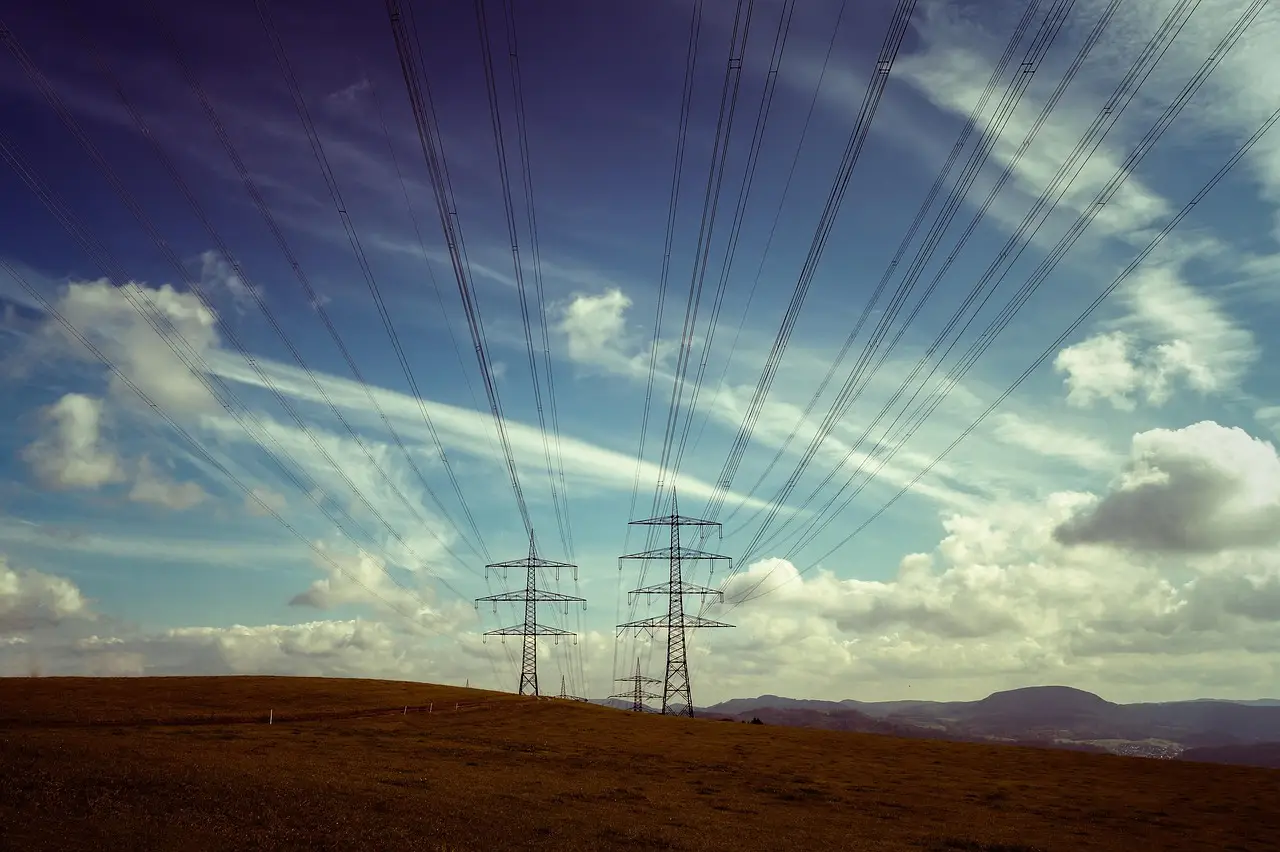
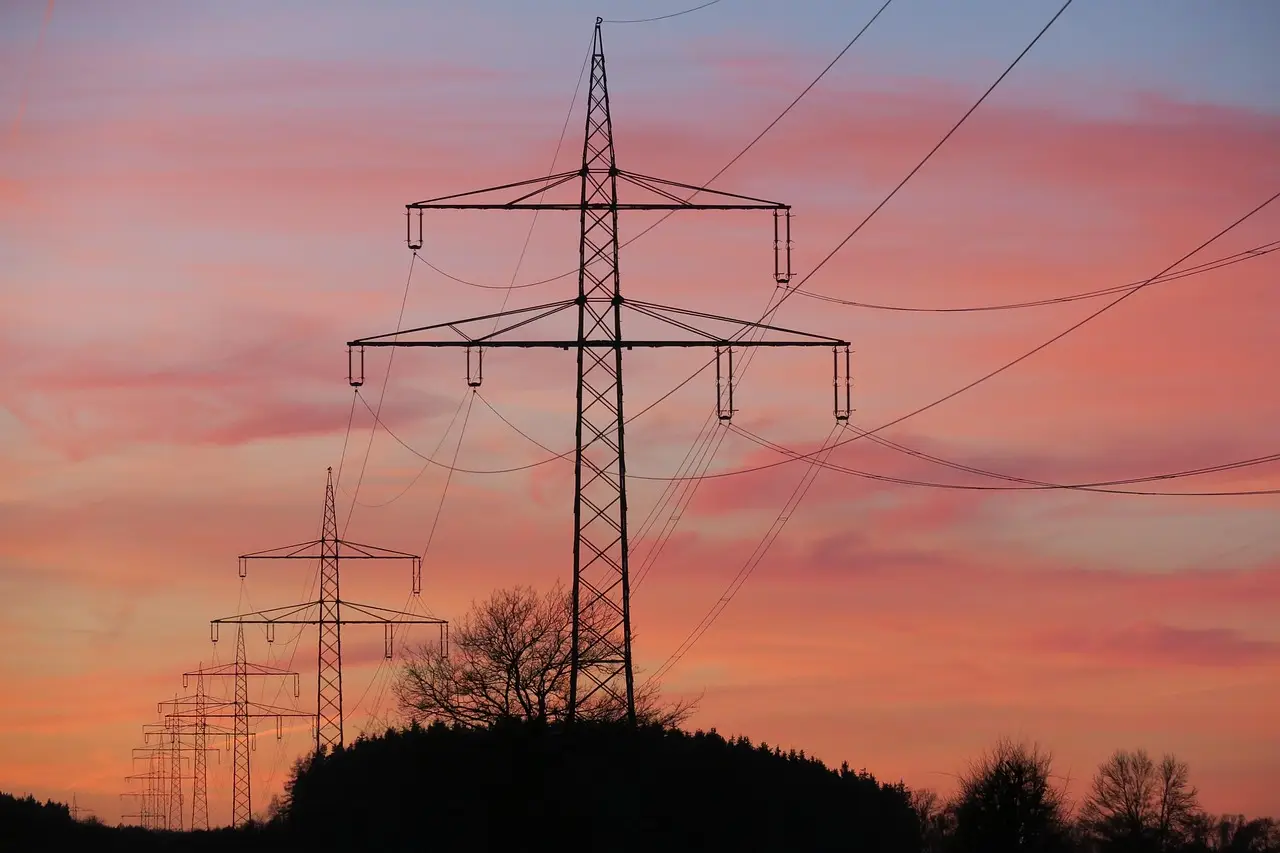
China’s transmission network will expand 40% between 2025 and 2035, the IEA projects. New ultra-high-voltage and high-voltage direct-current lines will move power from renewable-rich northern and western provinces to major southern and eastern consumption centres. More than 400,000 kilometres of distribution lines will arrive annually through 2035, adding more than 4 million kilometres over ten years.
The IEA says these networks must accommodate electric vehicles, industrial electrification, new buildings and data centre demand. Transmission and batteries will be essential if renewable additions are to preserve electricity reliability.
Capacity tells only part of the coal story
China’s coal-fired capacity will grow by about one-third between 2025 and 2035 under STEPS, according to the IEA, even as average plant utilisation declines. The agency expects coal generation to peak before 2030 and fall below its 2025 level by 2035. Plants will increasingly provide backup and flexibility rather than operate continuously at high utilisation.
Natural gas capacity will also rise, according to the IEA, but low utilisation will limit growth in electricity output.
Nuclear generation will expand substantially, the IEA said. China holds more than 40% of global nuclear capacity currently under construction. The agency expects the increase in nuclear electricity generation during 2025–2035 to equal twice the previous decade’s gain. China should overtake both the European Union and the United States in operational nuclear capacity around 2030.
Manufacturing pressure builds
China’s renewable manufacturing industry faces growing financial pressure despite strong domestic and international demand, the IEA reports. Returns on capital in solar module manufacturing have fallen below zero, while wind turbine manufacturing returns have remained broadly stable. Market-based pricing and competitive auctions also increase revenue uncertainty for renewable developers.
The IEA links manufacturing overcapacity, lower equipment prices, curtailment and changing tariff structures to changing investment decisions. It also notes that China’s 15th Five-Year Plan for 2026–2030 prioritises renewable integration, electricity market reform, system flexibility and domestic energy technology supply chains.
What changes for developers and grid planners?
The IEA’s outlook shifts the main challenge from adding generation capacity alone to connecting, storing and pricing it. Developers face market-based pricing, competitive auctions and rising curtailment. Grid planners must add more than 400,000 kilometres of distribution lines each year through 2035, while manufacturers confront overcapacity and negative solar-module returns.
Networks, storage and market reform will have to keep pace with renewable additions if China is to expand generation without weakening reliability, according to the IEA.
Source: greentechlead.com
More from Grace Kim
Show full bio
Staff writer covering money, funding and market shifts around construction industry, architecture, interior design at Built Current.
379 articles