Willow Defebaugh Makes the Case for Wonder as Design Blueprint
Atmos editor-in-chief Willow Defebaugh argues humans are 'constructed of wonder' — and that biomimicry, from kingfisher trains to termite-mound cooling, offers a blueprint for designing our way back into nature.
- Section
- Green Building
- Author
- By Priya Raman
- Filed
- Length
- 3 min read
Key takeaways
- Janine Benyus, who popularized 'biomimicry' with her 1997 book, says 'Life creates conditions conducive to life.'
- Defebaugh has spent six years gathering ecological wisdom in her newsletter The Overview.
- The essay cites Descartes' 1637 Discourse on the Method as the root of the human-nature divide.
- Biomimicry examples include kingfisher-inspired bullet trains, morpho butterfly structural color and termite-mound temperature regulation.
- The essay is part of designboom's POSTHUMAN UTOPIAS chapter, presented with INDX|GLOBAL.
Every species alive today is an example of life having gotten it right — and elegantly so. That line, from biomimicry pioneer Janine Benyus, anchors a new essay by Willow Defebaugh, cofounder and editor-in-chief of the climate and culture publication Atmos, published as part of designboom's POSTHUMAN UTOPIAS chapter.
Defebaugh's argument is simple and total: humans are made of nature, and design should be too. "You are constructed of wonder, which is to say nature," she writes, noting that the atoms in our bodies predate organic life and were forged in stars.
Where did the human-nature divide come from?
Defebaugh traces it to the Scientific Revolution of 16th- and 17th-century Europe. Anatomy mapped the body. Microscopes revealed microscopic life. Gravity was demystified. A new view took hold: nature as mechanical processes that could be observed, understood and harnessed — with rational humans set apart.
René Descartes sharpened that split. In Discourse on the Method (1637), he described animal bodies as machines and believed scientific knowledge could make humans "the lords and possessors of nature." His Cartesian dualism cleaved the world into mind and matter, thinking subject and physical object.
Defebaugh flips his famous logic. Descartes tied rationalism to doubt. Doubt sits close to wonder — one houses worry, the other awe. "Perhaps rather than doubt leading to thinking to existing, wonder can lead us to feeling to belonging," she writes.
What does ecological wisdom change for design?
Plenty, in Defebaugh's framing. Science delivers knowledge; wisdom decides what to do with it. Scientific knowledge can show that forests exchange nutrients through fungal networks. Ecological wisdom asks what those relationships teach about reciprocity, cooperation and collective well-being.
She draws on botanist Robin Wall Kimmerer's Braiding Sweetgrass (2013), which weaves Indigenous knowledge and Western science, and argues that seeing humans as one strand in the web of life is not a new worldview but a very old one — rooted in Indigenous traditions of reciprocity and stewardship.
The practical payoff is biomimicry — design that emulates nature's form and function rather than borrowing its looks. Defebaugh's examples:
- Bullet trains taking cues from kingfishers
- Structural color mirroring morpho butterfly blue instead of synthetic dyes
- Shark skin-inspired antimicrobial surfaces
- Temperature regulation modeled after termite mounds
Benyus, who popularized the term with her 1997 book, told Defebaugh on Atmos's The Nature Of podcast that our species faces a massive design challenge — and that life's intelligence is all around us. "Life creates conditions conducive to life," Benyus said.
Six years of field notes
Defebaugh has spent the last six years collecting such lessons in her newsletter, The Overview. Dragonflies metamorphose incompletely across many moltings — can we adopt their patience for transformation? Ants farmed fungi long before humans invented agriculture, in ways that benefited both. Hummingbirds hover and draw nectar without landing; can we learn to live as lightly?
She also cites personal practice: ravens and crows holding funerals for the fallen taught her about grief. Frogs, which partly breathe through sensitive skin, about vulnerability. Bats, which map the dark by listening, about the unknown.
The essay closes with the late deep ecologist Joanna Macy, whose World as Lover, World as Self (1991) described three movements in the human story: unity with the world, separation from it, and the return we must now make — carrying everything we've learned. "Now it can dawn on us: we are our world knowing itself," Macy wrote.
The root of "eco" is the Greek oikos, meaning home. For designers, Defebaugh's charge is direct: treat every species as a schematic written with possibilities, and build a society functionally intertwined with the more-than-human world — because, as she puts it, "the architecture of the world is wonder."
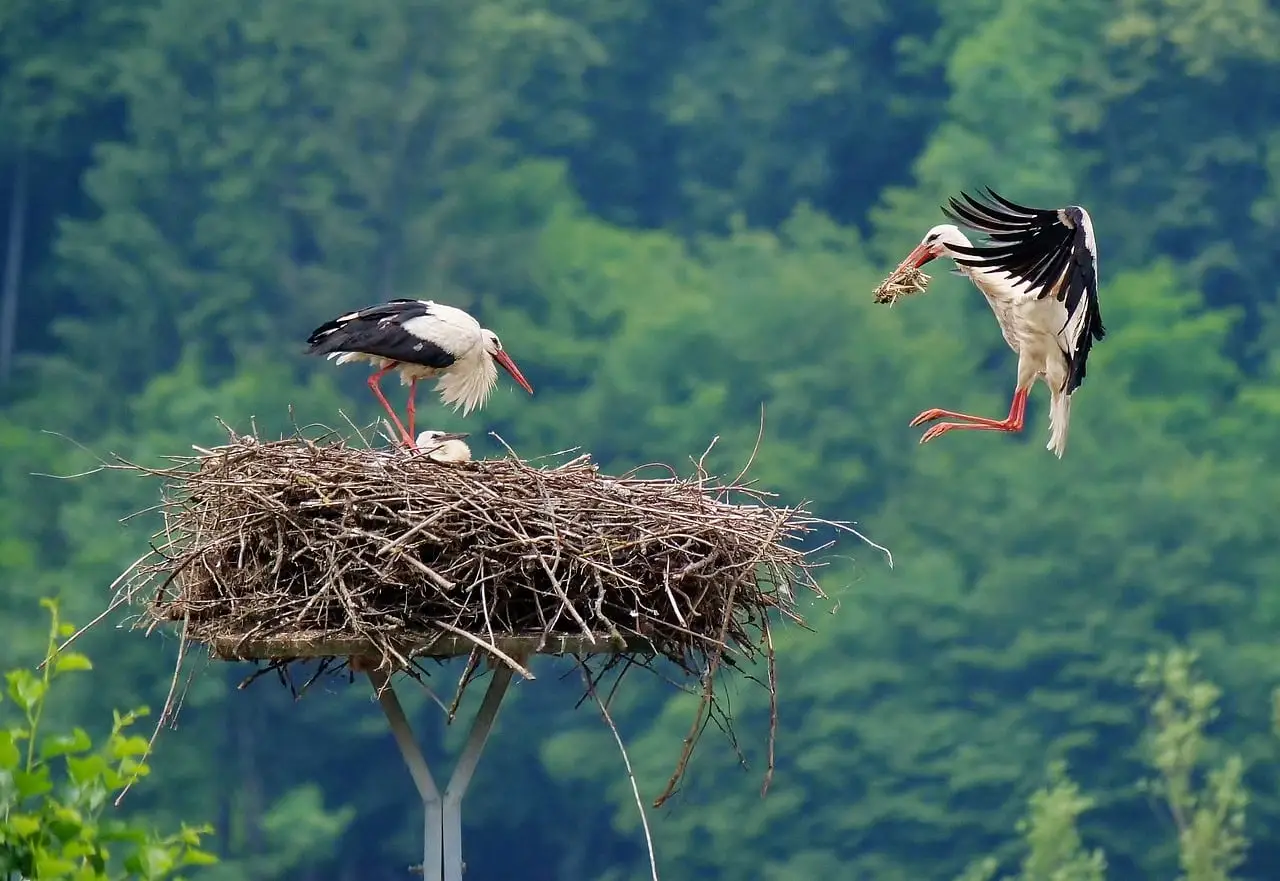
The POSTHUMAN UTOPIAS chapter is presented in partnership with INDX|GLOBAL, a cultural platform placing Indian architecture and design in global conversation. Photography for the essay is by Jacques Brun for Atmos.
Original: google.com
More from Priya Raman
Show full bio
News editor covering people, launches and day-to-day practice in construction industry, architecture, interior design at Built Current.
365 articles