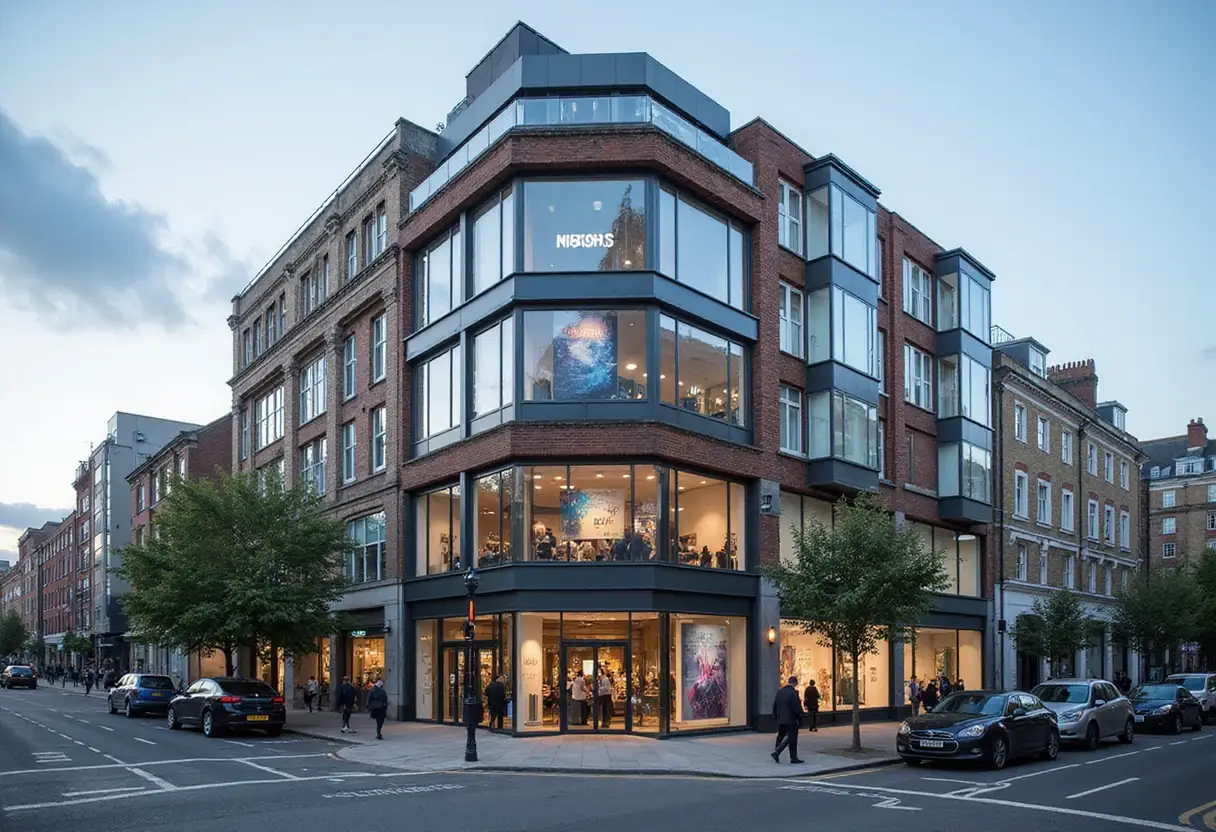
Tower Hamlets approves deep retrofit of 10 Cabot Square at Canary Wharf
Tower Hamlets Council has approved Canary Wharf Group's deep retrofit of 10 Cabot Square, adding two office floors and 7,000 sq m of space from 2027.
- Section
- Renovation & Retrofit
- Author
- By Elena Vasquez
- Filed
- Length
- 2 min read
Key takeaways
- Tower Hamlets Council approved the 10 Cabot Square retrofit on 30 October.
- The scheme adds over 7,000 sq m of office space, bringing the building to 88,000 sq m.
- Howells designed the project; construction could begin in 2027.
- Foundations, frame, basement, service yard and lift and stair cores will all be retained.
Tower Hamlets Council has approved a deep retrofit of 10 Cabot Square, a scheme that will add more than 7,000 square metres of office space to the Canary Wharf estate in London's Docklands.
The council granted planning permission on 30 October. The project, designed by architect Howells for Canary Wharf Group, targets the ageing office block at the heart of the estate, and it keeps most of the existing structure standing rather than replacing it.
What does the scheme actually change?
The approved works run deep. They include partial demolition, a full strip-out and replacement of the façade, and extensive internal alterations. Rooftop plant will be removed to make room for two new occupiable office floors, lifting total floor space to roughly 88,000 square metres — about the size of ten football pitches, up from around 81,000 today.
The design doesn't just add space at the top. Existing floorplates will be cut back to improve daylight penetration, and the building's massing will be reshaped to create new south-facing terraces for occupiers.
Why keep the frame?
The retrofit strategy is the mechanism that makes the numbers work. The scheme retains the foundations, structural frame, basement, service yard and lift and stair cores. That choice sharply cuts the volume of demolition and new structural construction the project requires, which matters for both cost and embodied carbon in an estate under pressure to deliver more sustainable workspace.
Canary Wharf Group frames the project as part of a wider drive to modernise its office stock. The developer wants to attract occupiers who now demand higher-quality, better-performing buildings than the 1990s-era towers the estate was built around.
When will construction start?
The developer has previously indicated that construction could begin in 2027. Canary Wharf Contractors has already drawn up the construction and logistics documents used in the planning process, but no main contractor has been publicly confirmed yet — a procurement race that should sharpen as the 2027 window approaches.
The approval signals where the District's landlord is placing its bets: fewer new towers, more surgical rebuilds of the ones it already owns.
Source: Construction Enquirer
More from Elena Vasquez
Show full bio
Senior reporter covering money, funding and market shifts around construction industry, architecture, interior design at Built Current.
246 articles