Three-Year Renovation Tames "Frankenstein" Rhode Island Coast House
Designer James "Ford" Huniford spent three years reworking a disjointed 1980s Rhode Island seaside house, adding chintz, sea-glass green, and crafted detail with little change to the footprint.
- Section
- Renovation & Retrofit
- Author
- By Grace Kim
- Filed
- Length
- 3 min read
Key takeaways
- Three-year renovation by designer James 'Ford' Huniford of a 1980s house on Rhode Island's Atlantic coast
- Overall footprint changed remarkably little despite expanded interiors and improved flow
- Chintz appeared for the first time in both designer's and clients' work, via Colefax & Fowler florals
- References included architect Fred Lincoln Savage and the Kilkare estate in Wainscott, New York
- House shares its site with views of the Atlantic and an expansive marsh
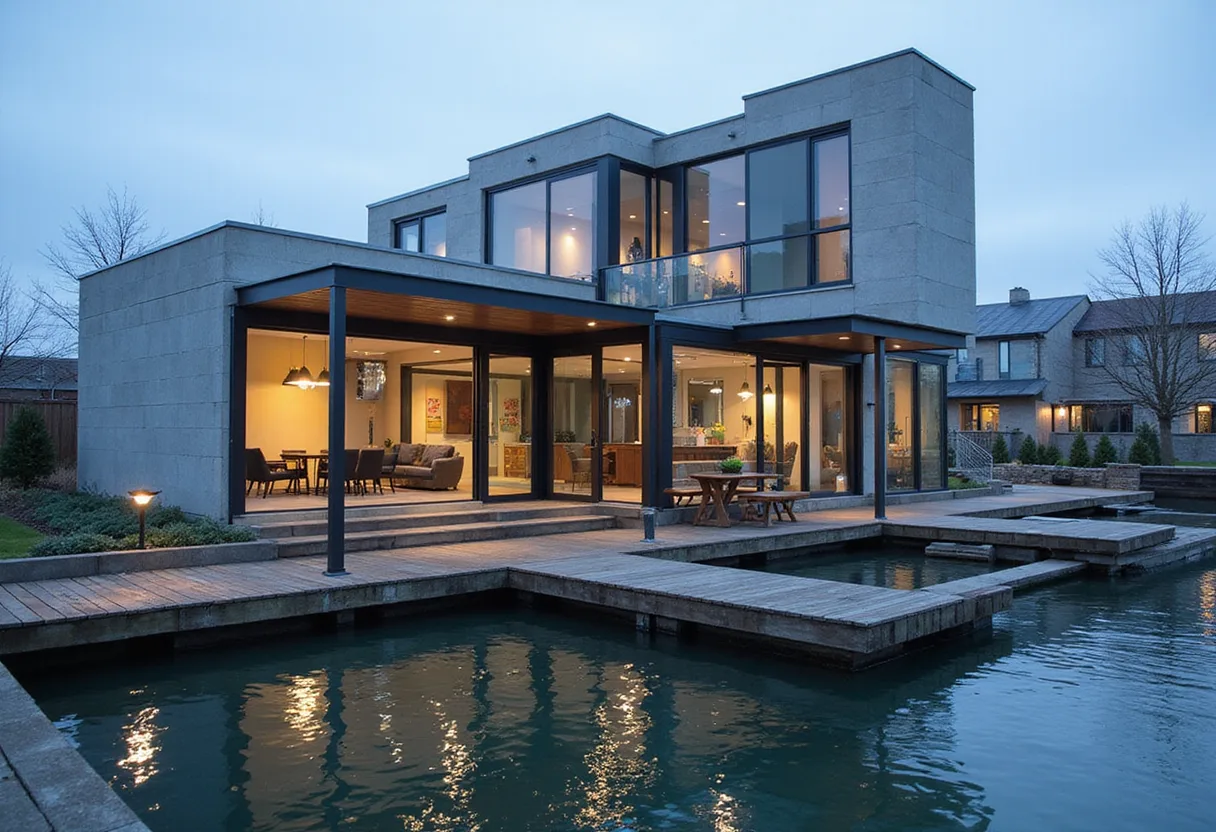
A three-year renovation has turned a disjointed 1980s postmodern house on Rhode Island's rocky coast into a home that reads as if it evolved over generations — all with remarkably little change to the overall footprint. "It was like Frankenstein," the husband said of the shingled house, built by his father in the 1980s on a site overlooking the Atlantic and an expansive marsh.
Successive additions had left the structure architecturally disjointed. The Manhattan-based couple, who share the house with their three young-adult children, had just finished updating a Litchfield County weekend retreat with AD PRO Directory designer James "Ford" Huniford. They asked him to take another look. "We were thrilled to have him try to rethink this house for us," the wife said, "which may have been easier in retrospect to just knock down."
How do you fake a century of history?
Huniford didn't impose a conventional beach-house aesthetic. Instead, he evoked early-20th-century New England summer houses while preserving the existing structure's character. His references ran from architect Fred Lincoln Savage's work on Maine's Mount Desert Island to Kilkare, a Victorian oceanfront estate in Wainscott, New York.
New rooflines, structural bump-outs, covered porches, traditional divided-light windows, and layered detailing gave the house a sense of accumulated history. The building was winterized and its systems updated. "To me," Huniford said, "the luxury is in the detail of the craft."
Inside, the designer took his cues from the wraparound vistas and shifting natural light, especially in summer, when the family spends most of its time here. "The ocean can be dark black and then it can be blue and then it can be green," Huniford said. "I love the sea. It's such a magical thing."
What does the palette actually look like?
The rooms mix English, French, and early American furnishings, many slipcovered in upholstery washed for a lived-in quality. "They don't like clutter, and they don't like fussiness," Huniford said of his clients. "They like function, and they love form."
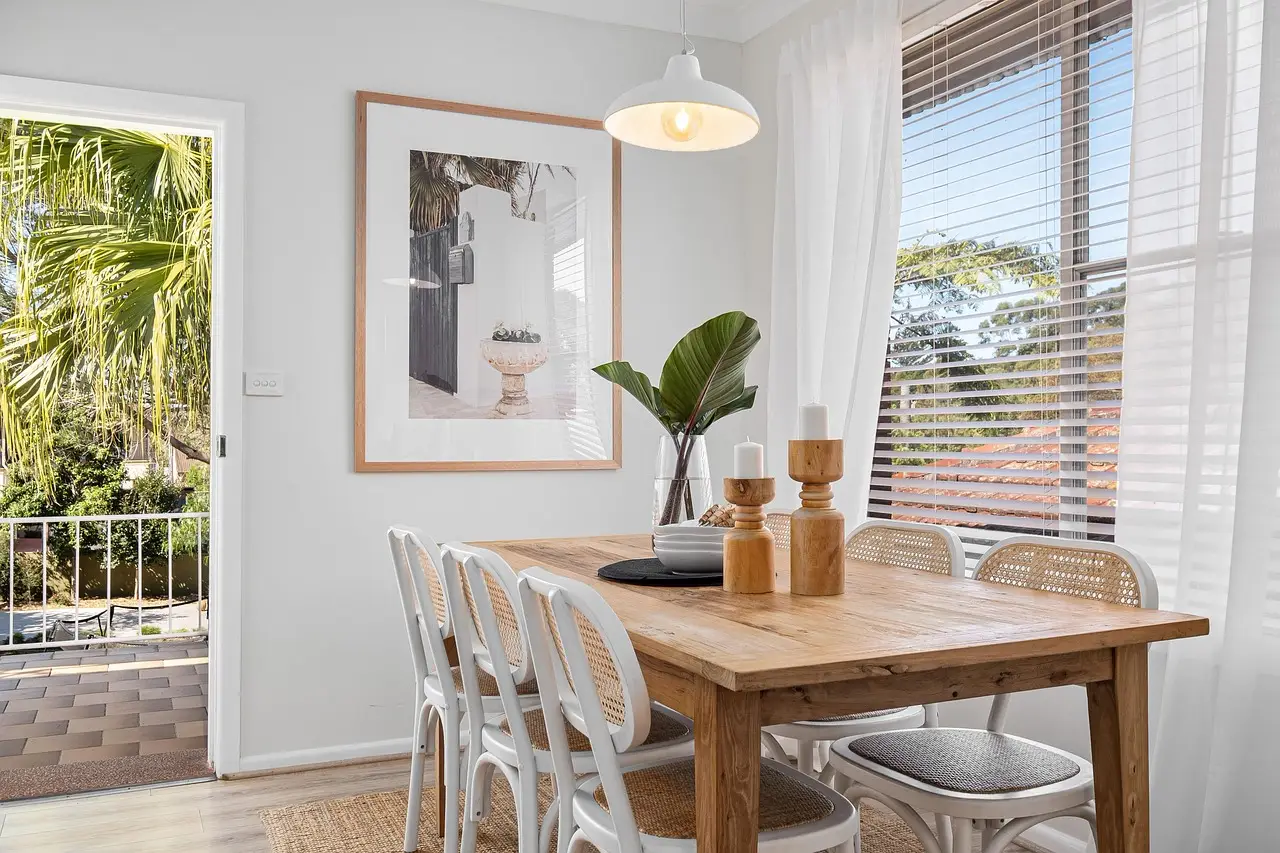
There's playfulness beneath the restraint. Huniford introduced chintz — a first for both designer and clients. In the open-plan living, kitchen, and dining areas, windows went untreated, sea-glass-green doors complement wide-plank walls painted a buttery yellow. Josef Albers works, a favorite of the husband and sourced by Huniford, hang near a dining table with whitewashed chairs, draped in an antique rough-linen buggy cover. In an adjacent sitting room, rattan furniture with cushions in a radiant Colefax & Fowler floral takes center stage.
"I never thought in a million years that I'd have chintz in my house," the wife admitted, "but it now happens to be my favorite fabric."
What changed for the family?
Not their lifestyle, by design. Huniford's goal was to make the house better accommodate how the family already lives. A windowed banquette in a new bump-out beside the dining table became a favorite gathering spot; its overhead pottery shelf drew inspiration from a photograph of decorator and fashion editor Chessy Rayner's Southampton home. The sitting room, long the center of family life, went from an awkward triangle to a rectangle and now functions more comfortably. "Our lifestyle in this house," the husband said, "did not change."
The project benefited from the couple's willingness to give Huniford creative freedom — and time. The result carries polish tempered by ease. "I think a great house should make you feel welcome and welcoming," Huniford said. As the wife put it: "Everyone loves to go there."
Source: Architectural Digest
More from Grace Kim
Show full bio
Staff writer covering money, funding and market shifts around construction industry, architecture, interior design at Built Current.
409 articles