Sydney Trains Flies LiDAR Helicopters Over 850km of Wiring
Sydney Trains scans 850km of high-voltage wiring by helicopter LiDAR twice a year. The February 2026 survey found 2,221 vegetation issues; only 26 remain unfixed.
- Section
- Construction Tech
- Author
- By Grace Kim
- Filed
- Length
- 3 min read
Key takeaways
- Sydney Trains scans roughly 850km of high-voltage wiring by helicopter-mounted LiDAR twice a year.
- The February 2026 survey found 225 medium-priority and 1,996 low-priority vegetation issues, with 26 remaining.
- A September survey identified 399 further defects: 33 medium-priority and 366 low-priority.
- Sydney Trains has used aerial LiDAR since 2017.
- CEO Matt Longland said LiDAR lets crews 'act early' on bushfire-season risks year-round.
A single February 2026 LiDAR survey flagged 2,221 vegetation clearance issues across Sydney Trains' high-voltage network — and crews have already fixed all but 26 of them.
Sydney Trains runs the helicopter-mounted scanning program twice a year, covering roughly 850 kilometres of wiring in its high-voltage network. The goal is simple: find branches and trees encroaching on powerlines before they cause electrical faults or become bushfire hazards.
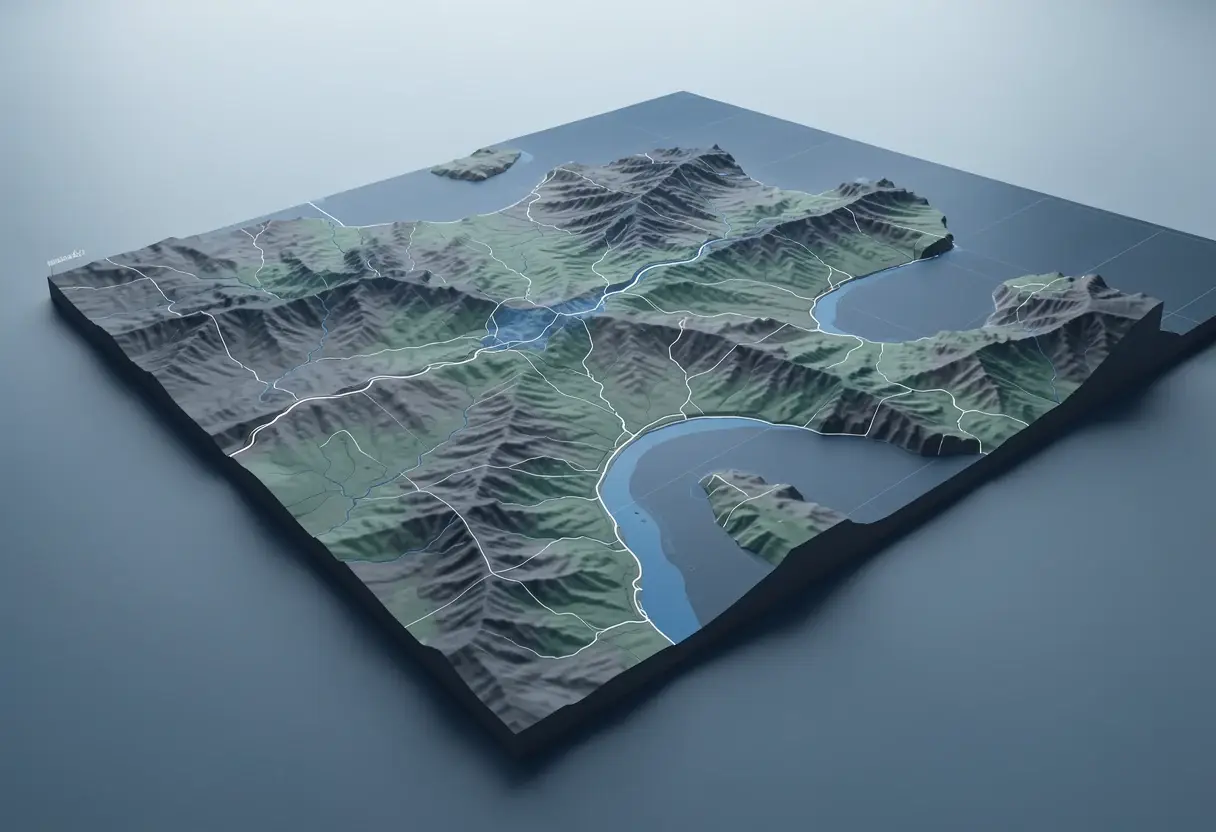
The technology isn't new to the agency. Sydney Trains has used aerial LiDAR since 2017, and the scans now produce detailed 3D point clouds of powerlines, structures, terrain and nearby trees. Those point clouds give engineers a clear picture of exactly where vegetation could interfere with the network.
"Preparing for bushfire season is a year-round task, and LiDAR gives us the detailed information we need to act early," said Matt Longland, Chief Executive of Sydney Trains.
What does the aerial data actually show?
The numbers tell the story of a system under constant pressure from growth. The February 2026 survey identified 225 medium-priority issues and 1,996 low-priority vegetation clearance issues. Crews whittled that down to 26 remaining items.
A follow-up survey in September found 399 more defects: 33 medium-priority and 366 low-priority. Each finding feeds a work queue that sends maintenance crews to specific locations rather than sending them out on guesswork.
"The aerial surveys give our engineers a detailed view of hundreds of kilometres of high-voltage infrastructure and surrounding vegetation, including areas that can be difficult to inspect from the ground," Longland said.
That reach matters for a network the size of Sydney's. Ground inspection can't easily cover every corridor, and the aerial data closes that gap.
Helicopters, drones and the shift to predictive maintenance
The helicopter scans are one layer of a broader inspection toolkit. According to Sydney Trains, helicopters, drones and LiDAR technology each play a role, and the technology choice depends on the size and scope of the task.
Helicopters suit rapid, large-scale coverage — the twice-yearly sweep of the full high-voltage network. Drones offer a flexible platform for targeted, high-resolution inspections of specific spots the broad surveys flag.
The program sits inside a larger move toward predictive maintenance. Instead of reacting to failures, engineers use the scan data to identify and address risks before they affect customers.
The payoff, in Longland's words: "We can send crews to the right locations sooner, reduce the chance of power and signalling faults, and help passengers get where they need to go with fewer disruptions."
What changes for passengers?
For commuters, the practical benefit is fewer unplanned outages. Vegetation contact with high-voltage wiring can knock out both power and signalling, cascading into delays across the timetable. Catching those risks from the air, months before a hot, dry summer raises the stakes, keeps the faults from ever reaching the tracks.
With the September survey's 399 fresh defects now in the work queue, the cycle continues — scan, prioritise, clear, repeat — ahead of the next bushfire season.
Source: spatialsource.com.au
More from Grace Kim
Show full bio
Staff writer covering money, funding and market shifts around construction industry, architecture, interior design at Built Current.
345 articles