Key takeaways
- Soho House began considering its first Japanese property in 2019 and opened the Aoyama club this summer after a six-year design process.
- The club occupies levels 13 and 14, and every room has a balcony.
- Nolan found Makino Urushi’s Kyoto workshop after noticing a lacquer jewelry box during a 2023 mock-up.
- The rooftop terrace spans 4,000 square feet and contains an infinity-style tiled pool.
- The tuna supplier hosted a 4:20 a.m. visit to the bluefin auction at Toyosu Fish Market.
By Marcus Bennett
Soho House opened its first Japanese property in Aoyama this summer, near Omotesando crossing, after a six-year design process led by design director Domhnall Nolan.
What did Soho House set out to build?
Since 2019, Soho House had considered how its hybrid members’ club with rooms could work in Japan. It had to offer visiting members Tokyo’s creative scene and cuisine while giving local members British culture and convivial London club life.
For Tokyoites, the appeal lay in British tailoring, subcultures and craft, perhaps with a Sunday roast. Soho House’s planning team also saw Tokyo’s existing private clubs as more corporate.
Nolan, a self-described Japan obsessive, began his six-year design odyssey before the pandemic, travelling repeatedly to study vernacular architecture, interiors and craft traditions. He explained: “One key thing we honed in on was Soho House being inherently maximalist and Japan having a reputation for minimalism—with Tokyo specifically having that contrast.”
He continued: “It’s a city of juxtaposition where you have beautiful moments of calm, and then it’s also extremely dense and chaotic. Everything we were doing was always thinking about that juxtaposition of a minimal detail, but a maximal execution.”
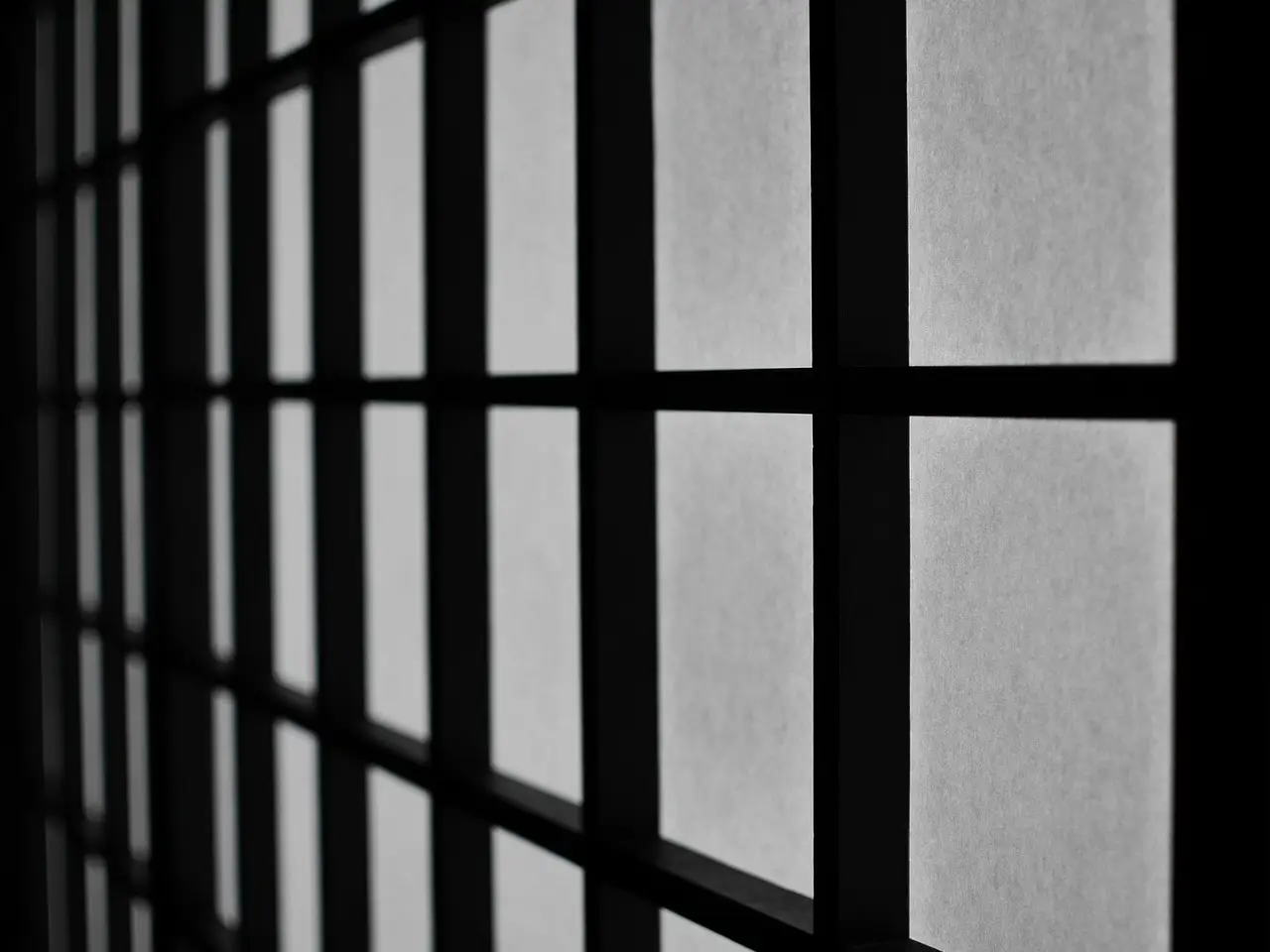
Through discreet timber double doors off Minami-Aoyama, I entered an amber-lit reception with handmade washi grid panels and a check-in desk in glossy Kyoto lacquer. Staff wore custom Japanese-denim uniforms made with Onitsuka Tiger. A graphic-wrapped Japanese vending machine dispensed striped beach towels; paintings mimicked oversized Uniqlo and convenience-store receipts.
What does maximalism look like inside?
The “Extra Large” suite used a soothing matcha palette across its living, dining and sleeping areas, with a wraparound balcony facing the Aoyama skyline. Every room has a balcony, a rarity in Tokyo.
- A crimson-stained credenza held Japanese spirits, a cocktail shaker, a ceramic sake set and a rotary phone. The timber bed carried a fringed throw woven from upcycled vintage kimono fabrics in the traditional sakiori style.
- The bathroom combined striated green marble slabs, speckled Nagoya floor tiles and a freestanding tub with Cowshed bath salts. A trio of Ross J. Barr herbal Sleep patches waited on the table; I used one after my 14-hour flight.
The same craft logic continued in the “Cosy” rooms. During a 2023 bedroom mock-up, Nolan noticed a Japanese jewelry box with dappled lacquer, then found Makino Urushi, a small family-run Kyoto workshop where a handful of craftspeople do everything themselves. Its base colors are black, gold and red.
When someone suggested making the finish more cheaply in China, Nolan said: “I’m not going to China to make a Japanese finish.” The workshop’s dappled lacquer now appears on mirror frames and drawer fronts, alongside parquet laid as an interlocking tatami-mat grid.
Two club floors occupy levels 13 and 14, linked by a monumental timber spiral staircase. The Club Lounge combines glossy burgundy lacquerware-inspired paneling, vintage European and Japanese mid-century armchairs, vinyl records and a ceiling of woven sea-grass wallpaper with authentic tatami trims.
Nolan said Japanese members would find actual tatami flooring on a ceiling inappropriate, so he chose the trim treatment. At the bar, traditional ceramic roof tiles, flipped vertically, clad the counter in glazed olive green. The 14th-floor bar adds Italian Murano chandeliers, handmade lanterns and an ochre-and-green onyx top.
Breakfast arrived on a wooden tray: grilled salmon, sweet rolled tamagoyaki, sesame-dressed greens on chunky glazed earthenware, and miso soup in a turned wood cup.
How does the club sit within Aoyama?
Aoyama’s backstreets contain designer flagships and secondhand boutiques. I visited three Kindal outlets and the nearby Issey Miyake mini-district, where the late designer’s sculptural clothing occupies gallery-like storefronts. Miyake’s prices run below Western levels, although stock varies by month.
At Kuu, a nearby Japanese head spa recommended by the front desk, a therapist gave me an hour of steam, warm-water halos and pressure-point massage for scalp, neck and shoulders.
Dinner occupied a private room behind frosted glass pocket doors at the end of the house brasserie. Nolan initially envisioned an Asian-led restaurant, then pivoted late because the club already contained Japanese references; he chose British comfort classics with hyper-seasonal Japanese produce to create the opposite note.
- Tempura courgette flowers, Yamayuri pork loin in sweet mead reduction, French fries served in silver cups, and spicy Picantes filled the table.
- Dessert brought tart topped with green muscat grapes, then soft-serve ice cream with white miso-infused popcorn.
At 4:20 a.m., I joined Soho House’s tuna supplier for backstage access to the bluefin auction at the recently modernized Toyosu Fish Market.
Dozens of frosted bluefin carcasses stood on wooden pallets under fluorescent lights. Buyers in rubber boots used hooks and flashlights to inspect fat marbling and ruby-red tail cross-sections before rapid hand-signal bidding. In the wholesale stalls, crews wielded sword-length knives to break down colossal tuna loins.
That same tuna reached Chef Shinohara’s sushi counter at Aoyama later that day, served with freshly grated Shizuoka wasabi and chilled sake.
The 13th-floor wellness studio has dual zones, copper-toned walls, carved timber and a hand-painted gold ceiling. After the 4 a.m. market trip, I skipped Reformer Pilates for matcha and inspected its bespoke leather kettlebells.
The 4,000-square-foot rooftop terrace holds an infinity-style pool in a geometric grid of bespoke indigo ceramic tiles. It faces the Tokyo skyline and Tokyo Tower; on clear days, Mount Fuji’s snow-dusted silhouette is visible.
At the pool, the design had resolved its brief: exacting Japanese craft inside Soho House’s unruly London-club framework. Its durability now rests on whether the restaurant, wellness floor and rooftop retain that specificity in daily use, rather than reducing either culture to decoration.
Source: vogue.com
More from Marcus Bennett
Show full bio
Correspondent covering money, funding and market shifts around construction industry, architecture, interior design at Built Current.
328 articles