Reformation’s Nine Limited-Edition Rugs Span $1,000 to $5,000
Reformation offers nine made-to-order wool, silk and linen rugs from Les Editions de Tapis on Nov. 9, priced from $1,000 to $5,000 after years of demand for its showroom designs.
- Section
- Interiors
- Author
- By Marcus Bennett
- Filed
- Length
- 4 min read
Key takeaways
- Nine limited-edition styles will be available on Reformation.com on Nov. 9.
- Every rug is made to order and priced between $1,000 and $5,000.
- Reformation opens more than 15 stores a year, each with a hand-sketched motif and custom colorway.
- Coccimiglio worked in fashion for more than 15 years before moving into interiors during the pandemic.
- A related 12-piece clothing campaign shares Marie Antoinette, swans and pink-and-blue themes with the rugs.
Reformation will make nine limited-edition, made-to-order rugs priced from $1,000 to $5,000 available through Reformation.com on Nov. 9.
The release opens the first public market for designs that Thomas Coccimiglio previously reserved for Reformation showrooms. Lauren Caris Cohan, the brand’s chief creative officer, said: “One of the biggest comments that we get is that the stores look so beautiful and the rugs are amazing.” The usual follow-up, she said, was: “Where can we get them?”
The answer was nowhere. The new collaboration with French rugmaker Les Editions de Tapis changes that. Coccimiglio, its founder, designed the store pieces and, Cohan said, remained “really precious” about them; he did not reuse them for other clients.
For interior buyers, the collaboration turns a store-only visual reference into a purchasable specification: nine made-to-order designs in three materials, with production split between India and Nepal.
Why did the rugs stay out of reach?
Before outfitting Reformation showrooms, Coccimiglio spent more than 15 years as a fashion textile designer in London, Paris and New York. His work at Tory Burch included trips to embroiderers in Italy and India, which eventually led him into rug making. He left fashion for interiors during the pandemic, but retained the same textile discipline. “I approach a rug almost as I would a piece of embroidery on a garment,” he said.
Cohan’s account identifies a specific source of demand. Customers admired the rugs in every showroom but had no route to purchase them. Coccimiglio’s refusal to license those exclusive patterns elsewhere maintained their limited status until the collaboration gave the public access.
How did Reformation shape the collection?
Reformation opens more than 15 stores a year, Cohan said, and Coccimiglio creates a hand-sketched motif and custom colorway for each location. For the capsule collection, Coccimiglio received full creative direction from Reformation. Their discussions covered Marie Antoinette, swans and extensive pink and blue. The same elements appear in a 12-piece clothing campaign that is live alongside the capsule.
To connect the line with the brand, Coccimiglio revisited years of earlier store designs for details to incorporate. Cohan tied the palette and wit to the brand: “There’s a bit of a French sense of humor, a bone-dry sense of humor, in our [Reformation] brand DNA,” she said, “that’s reflected in Thomas’ designs.”
He also described the collection’s nostalgia in specific terms: “There’s something nostalgic about these pieces, almost like a little Proustian madeleine.” For customers who have experienced Reformation's stores over the years, he said, the pieces “might feel strangely familiar, almost iconic.”
What do the named designs look like?
Four of the nine styles carry distinct names:
- Chintz: Two crossed palm trees, proposed by Cohan and sketched by hand by Coccimiglio, sit between trailing vine borders. Herons and swans tuck into their roots.
- Swans Fans: Two black-outlined swans stand among spiky fan palms on a French blue foundation.
- Le Chat: A field of lilac remains almost entirely empty except for one striped cat walking a broken black line.
- Le Classique: An ivory ground carries two wavering oxblood borders and a single dot, a restrained design for anyone with French sensibilities sans menagerie.
Where and how are the rugs made?
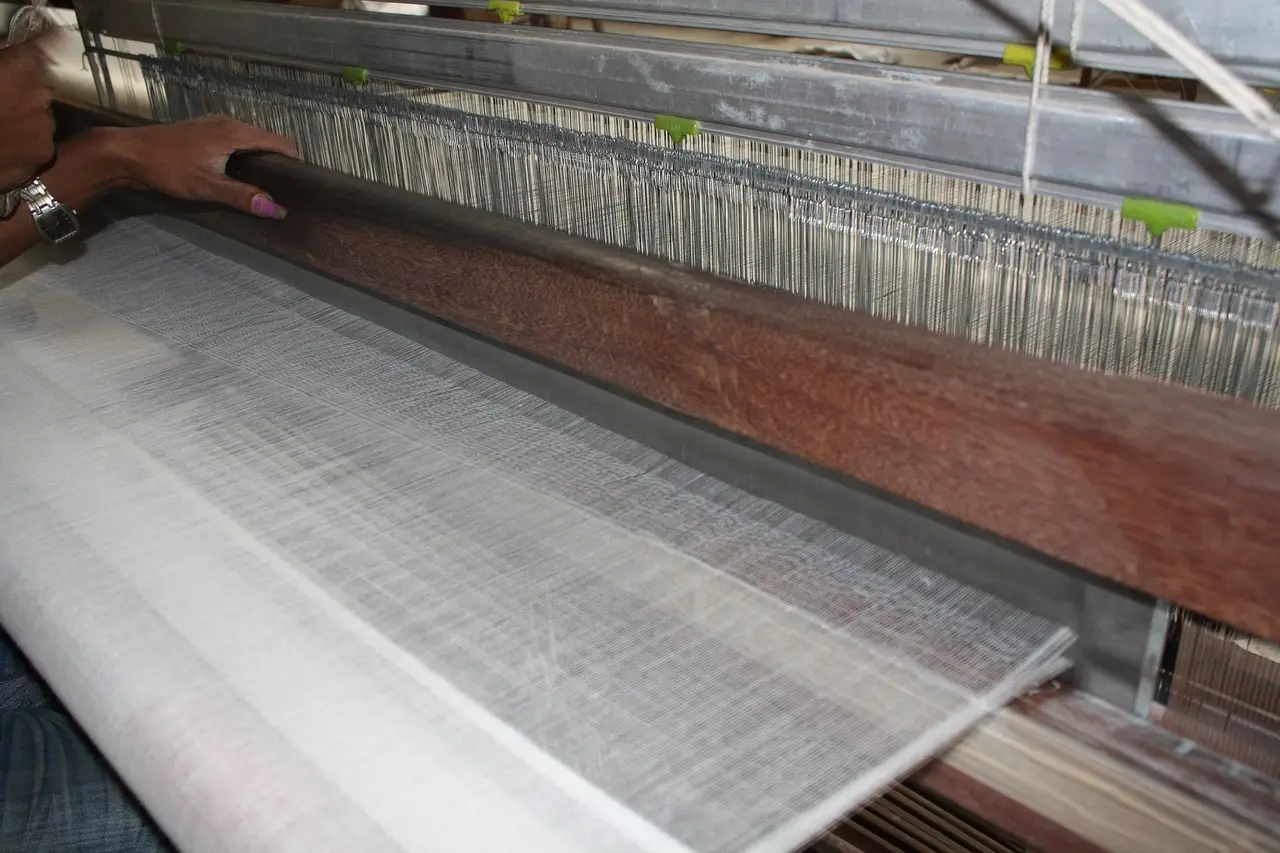
Each rug is hand-knotted from wool, silk and linen. Coccimiglio manufactures larger pieces in India, where he finds the wool softer and better suited to large formats. Smaller editions come from Nepal, where Himalayan wool is denser. He describes the ornate results as “like jewelry.”
Cohan noted that shoppers could find less expensive rugs elsewhere, but said Coccimiglio designed his for longevity of use. His work outside the Reformation collaboration costs considerably more. “This is a much more accessible price point for something so detailed and so custom,” she said.
How will the rugs sit in a home?
Cohan restores midcentury houses in Los Angeles with her husband, Matt Jacoby, under the name Bob Audrey. She rejected the idea of one prescribed setting: “You could have it in a midcentury house in the Hollywood Hills, but it also would look so stunning in [a] herringbone-floor apartment in New York City,” she said.
Where did the campaign take place?
The campaign was shot in a house at the top of Wonderland Park in Laurel Canyon, a 1950s enclave of single-story midcentury houses that includes Pierre Koenig’s Case Study House No. 21. Coccimiglio, meanwhile, works from a 17th-century hôtel particulier in Dijon.
Together, those workplaces frame the collection’s premise: old-world France against modern Los Angeles. Coccimiglio places his work “somewhere between these two worlds: French heritage and contemporary culture.”
Reformation’s next test is whether this nine-style public release can meet the showroom demand Cohan describes while preserving the exclusivity, detail and longevity she credits to Coccimiglio’s work. The Nov. 9 online launch puts that proposition to shoppers first.
Original: cna.st
More from Marcus Bennett
Show full bio
Correspondent covering money, funding and market shifts around construction industry, architecture, interior design at Built Current.
328 articles