Green concrete monolith: Roland Baldi's Civil Protection Centre
Roland Baldi Architects completes a 1,404 m² Civil Protection Centre in Lasa, Italy, using green-pigmented insulating concrete for a volunteer fire department.
- Section
- Architecture
- Author
- By Marcus Bennett
- Filed
- Length
- 2 min read
Key takeaways
- The Civil Protection Centre covers 1,404 m² and is dated 2026.
- Roland Baldi Architects designed the building, with Roland Baldi as lead architect.
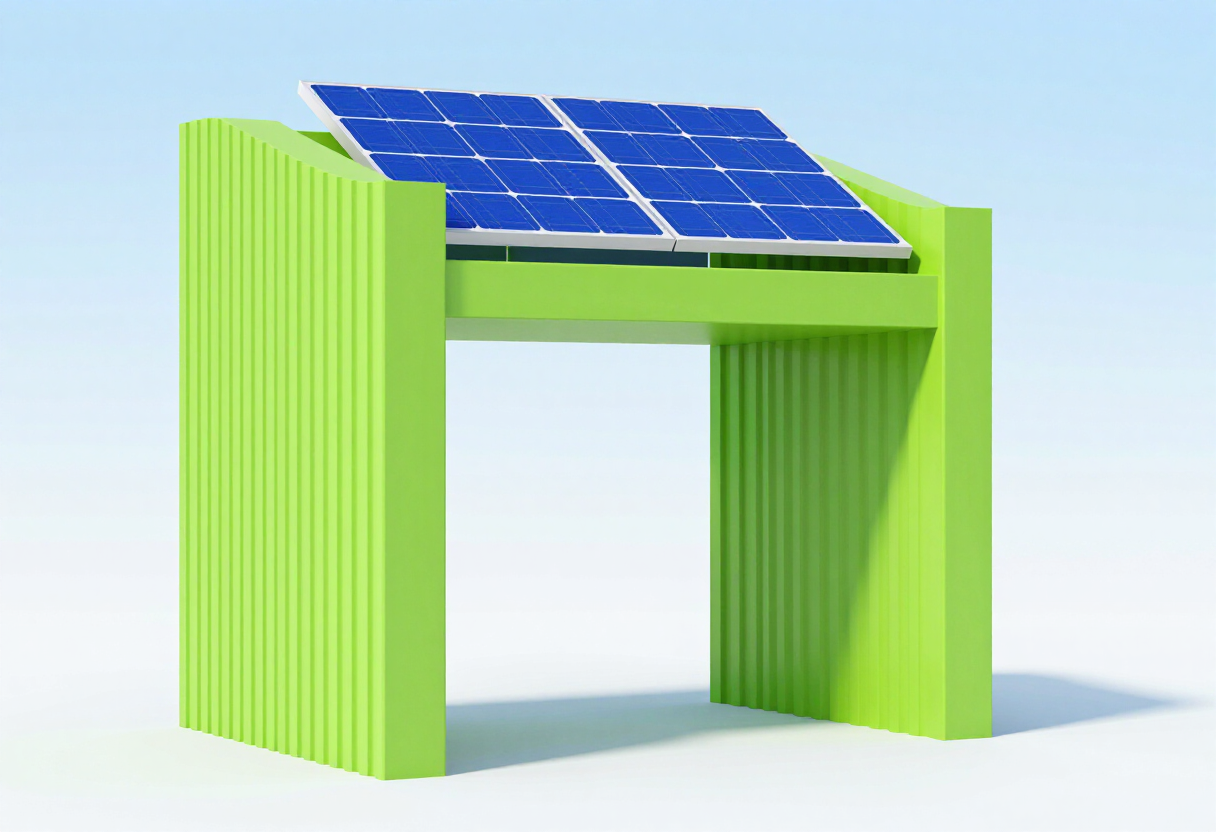
- The structure is built from green-pigmented insulating concrete.
- The site sits in Oris, a hamlet of Lasa, in the Venosta Valley.
- Photographs of the completed building are by Oskar Da Riz.
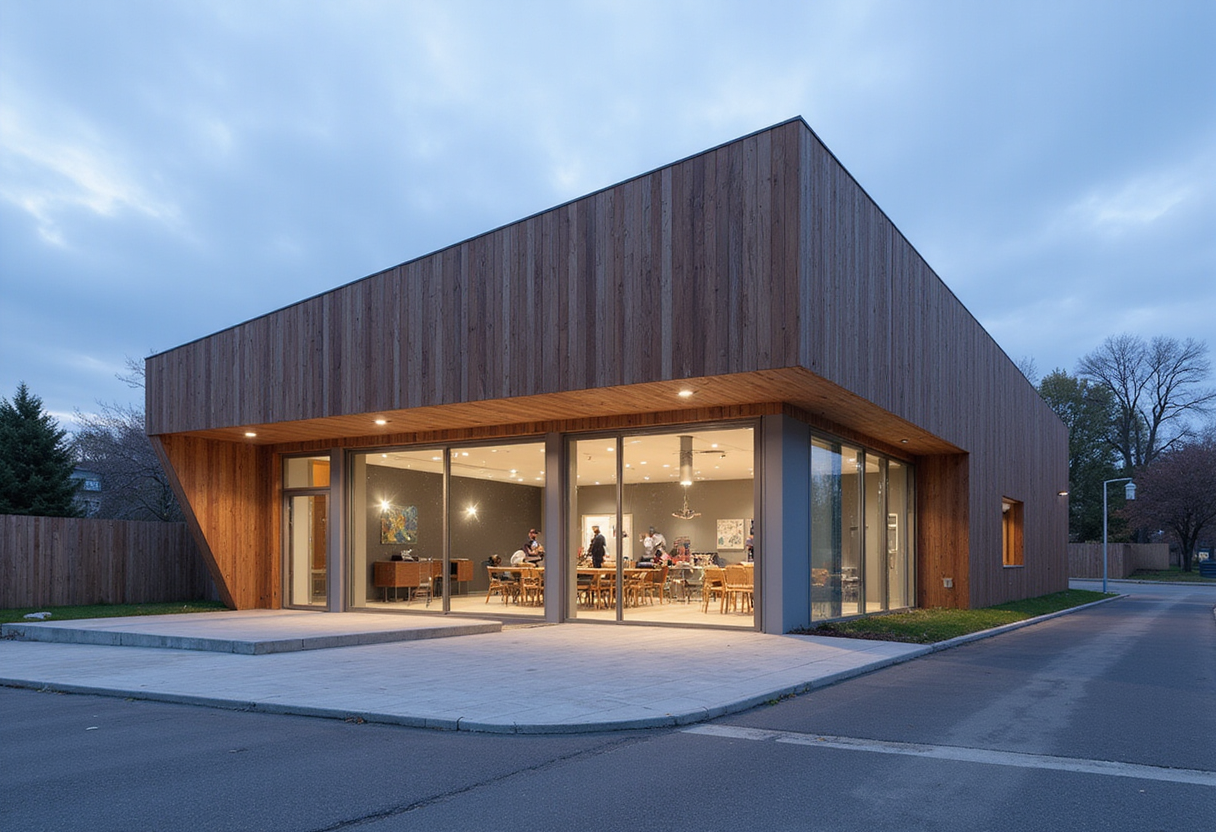
Roland Baldi Architects has completed a 1,404-square-metre Civil Protection Centre in Oris, a hamlet of Lasa in Italy's Venosta Valley, built from green-pigmented insulating concrete.
The building, scheduled for 2026, houses a volunteer fire department. Its single material and monolithic form give the station a strong identity in a valley otherwise defined by wooded slopes.
Rolald Baldi led the project as lead architect. Oskar Da Riz photographed the completed building.
What role does the concrete play?
The green pigment is not a finish. It runs through the insulating concrete itself, tying the structure's color to the surrounding landscape.
"Its monolithic appearance lends the structure a powerful identity, while its color establishes a subtle dialogue with the surrounding landscape," the architects said in their description of the project.
The material choice also serves a practical function. Insulating concrete combines structural capacity with thermal performance, suiting the operational demands of a fire station in an alpine climate.
Where does the building sit?
The site sits between the wooded slopes of the Venosta Valley and the hamlet of Oris. The architects describe the location as the setting for a building that "makes a confident architectural statement."
Lasa, in South Tyrol, has a long history of stonework and quarrying, and the new centre continues a regional tradition of robust, load-bearing construction in a contemporary form.
Why monolithic?
The massing reads as a single sculpted block rather than an assembly of parts. That decision gives a utilitarian program — equipment storage, deployment spaces, volunteer facilities — an architecture of consequence.
The project demonstrates how emergency infrastructure can exceed pure function. Civic buildings for volunteer organizations rarely receive this level of formal attention, and the Lasa centre sets a benchmark for how such programs engage their landscape.
The green-pigmented concrete points toward a broader trend: architects treating pigmented structural concrete as both envelope and identity, from Snøhetta's and Zaha Hadid Architects' earlier forays to Baldi's valley-bound monolith.
Source: ArchDaily
More from Marcus Bennett
Show full bio
Correspondent covering money, funding and market shifts around construction industry, architecture, interior design at Built Current.
116 articles