COLAR Colectivo Reclaims Heritage Structure as Casa Estelí
COLAR Colectivo de Arquitectura completes Casa Estelí, a 165 m² heritage transformation in Nicaragua that treats existing buildings as active participants in a place's evolution.
- Section
- Renovation & Retrofit
- Author
- By Marcus Bennett
- Filed
- Length
- 1 min read
Key takeaways
- Casa Estelí is a 165 m² project by COLAR Colectivo de Arquitectura, dated 2026, in Estelí, Nicaragua
- Santiago Constantino De Angoitia is lead architect; photographs by Ariadna Polo
- The project conserves and transforms an existing structure, which the architects describe as essential to extending buildings' lives
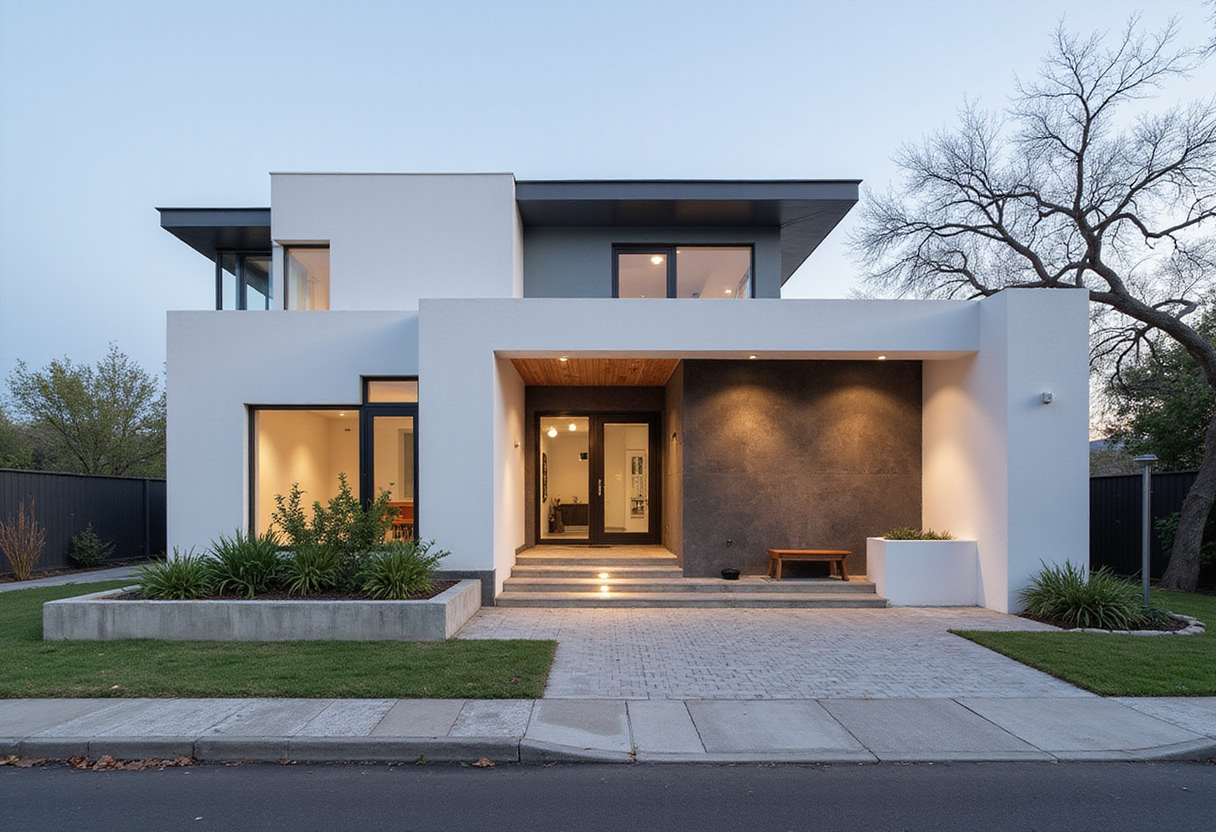
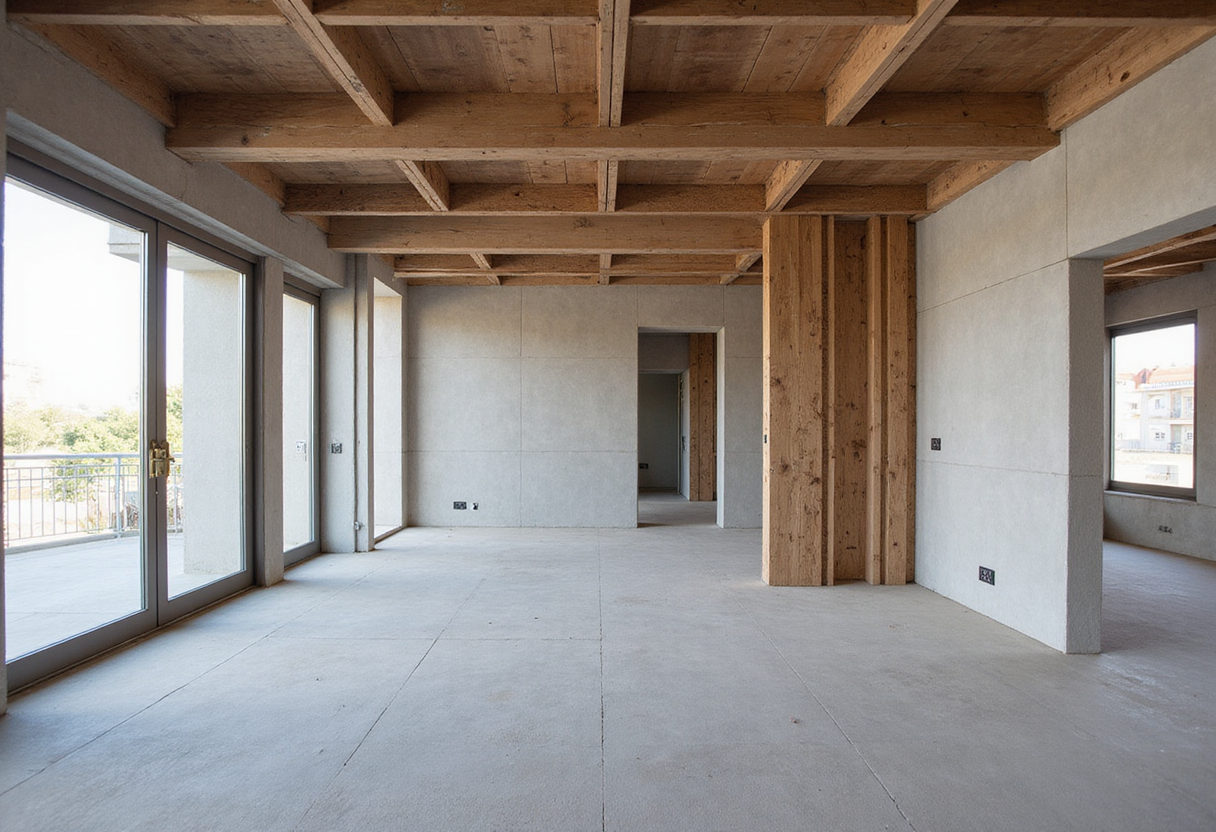
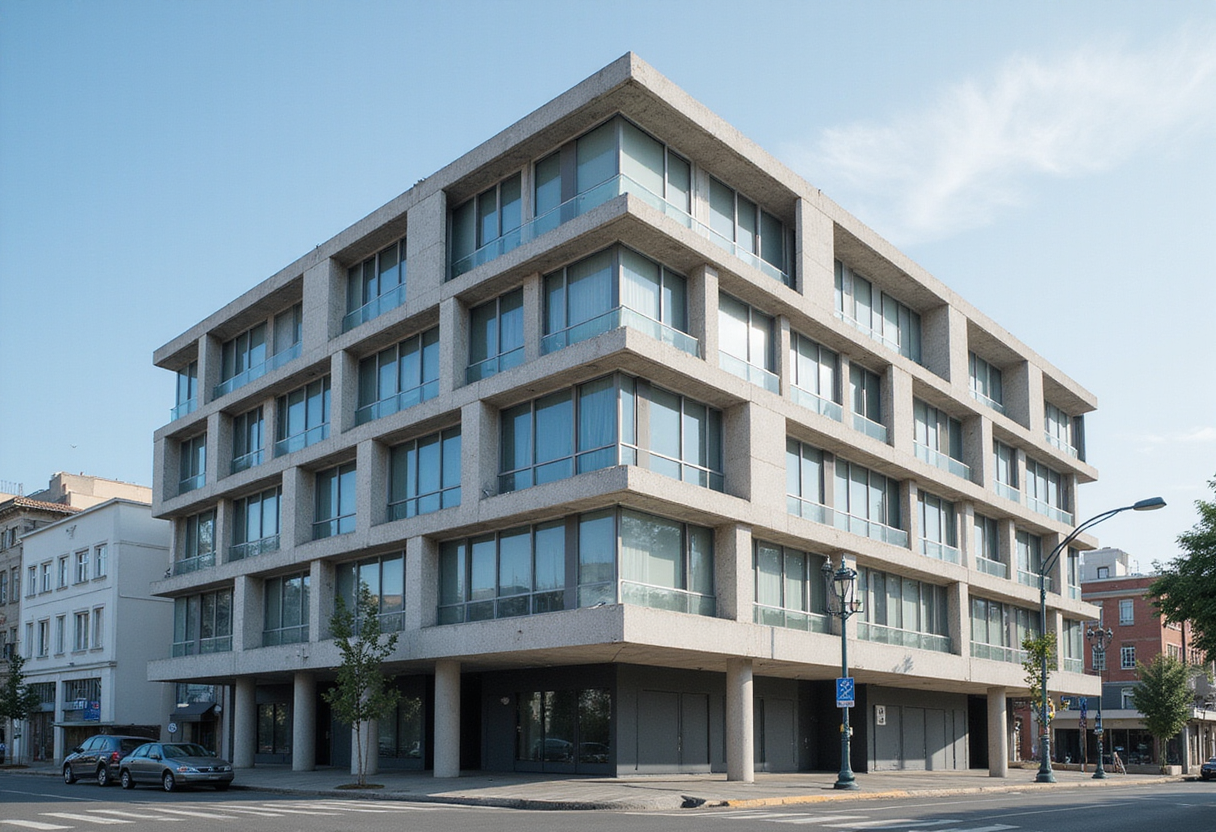
COLAR Colectivo de Arquitectura has completed Casa Estelí, a 165 m² project in Estelí, Nicaragua, scheduled for 2026, that transforms an existing structure rather than replacing it. Santiago Constantino De Angoitia served as lead architect, and Ariadna Polo photographed the work.
The architects ground the project in what they describe as "a critical and conscious look at the act of building." In their text description, they frame architecture "not as an isolated object, but as a cultural, environmental, and social process deeply linked to the territory and the community that inhabits it."
That stance drives the design strategy. The intervention treats the conservation and transformation of built heritage as "an essential strategy to extend the life of buildings," according to the architects. The approach recognizes both the tangible and intangible value embedded in existing structures.
COLAR draws a firm line between reclamation and museum-style preservation. "Reclaiming an existing structure does not imply freezing it in time," the architects state. Instead, they argue, reclamation "means reinterpreting it, allowing it to incorporate new layers of meaning and use, and ensuring it continues to be an active part of the place's evolution."
The 165 m² footprint anchors the project in a lineage of Latin American practices that read adaptive reuse as a social and environmental act rather than a stylistic one. By positioning the existing building as a living participant in Estelí's ongoing change, COLAR frames Casa Estelí as a model for how heritage stock across the region can absorb new programs without erasure. The project signals that the firm's critical approach to building — conservation as active reinterpretation — will likely shape its forthcoming work.
Source: ArchDaily