Casa de las Lavanderas: Raúl Sanchez Architects Restore 90 m² of Barcelona Wash-House History
Raúl Sanchez Architects complete Casa de las Lavanderas, a 90 m² 2024 house on Barcelona's Calle Aiguafreda, where washerwomen once scrubbed the Eixample bourgeoisie's laundry by hand.
- Section
- Renovation & Retrofit
- Author
- By Amara Osei
- Filed
- Length
- 2 min read
Key takeaways
- Raúl Sanchez Architects completed Casa de las Lavanderas in 2024.
- The house covers 90 m² on Calle Aiguafreda in Barcelona's Eixample.
- Washerwomen once lived in narrow two-story houses on the street and hand-scrubbed clothes at its wells.
- Photographs of the project are by José Hevia.
- Twelve manufacturers supplied the fit-out, including Vitra, Flos, Knoll International and Poltrona Frau.
Barcelona's Eixample bourgeoisie once washed their clothes in the wells of Calle Aiguafreda — and Raúl Sanchez Architects have just turned that working-class fragment of the city's plumbing history into a 90 m² house.
The project, completed in 2024, is called Casa de las Lavanderas. It sits on one of the streets where, before the neighbourhood gentrified into what the architects call one of the city's most picturesque today, washerwomen lived with their families in narrow two-story houses.
Who were the lavanderas?
The name is literal. The women who gave the house its title went out daily to their wells to hand-scrub clothes. The clothes they touched, the architects note, they only ever touched to wash — a detail that reads like a verdict on the class lines of the era.
The Eixample bourgeoisie, meanwhile, were the clients. They sent their laundry down to Calle Aiguafreda. They did not, one imagines, follow it.
What does the project involve?
Raúl Sanchez Architects worked with 90 m² of floor area in 2024, converting the site's layered past into a contemporary home. The firm is based in Barcelona and has built a practice around precise, historically attentive renovations of the city's tighter urban fabric.
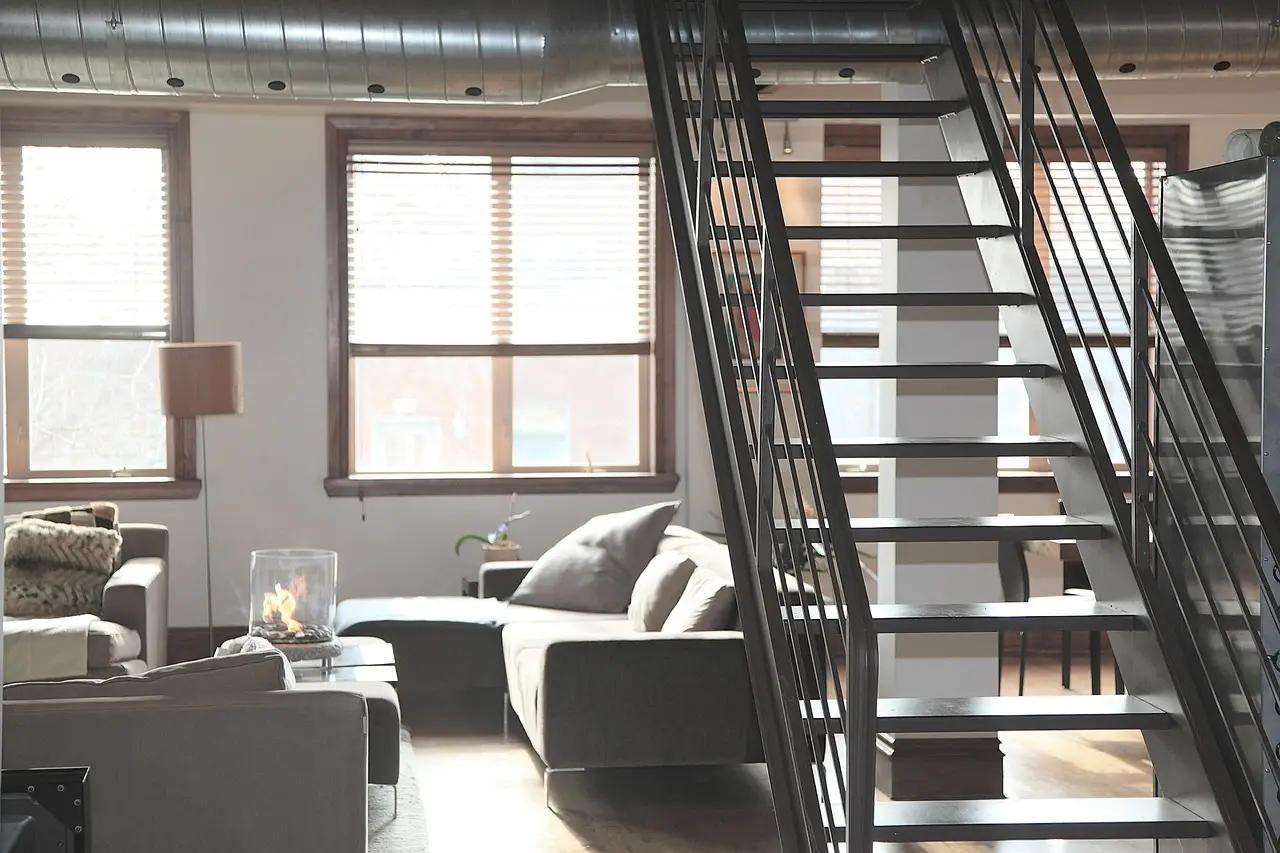
The house's bones carry the story: narrow two-story volumes that once accommodated the washerwomen and their families, scaled to a street economy that has since vanished.
Photographs of the completed project are by José Hevia, whose images document the interior and its fittings.
Which manufacturers supplied the fit-out?
The architects list an extensive roster of design brands across the project's lighting, furniture and fixtures:
- Lighting: Artemide, Louis Poulsen, Vibia, Flos
- Furniture and seating: Knoll International, Kartell, Vitra, Poltrona Frau, MYC-Gavina
- Kitchen, tableware and fixtures: Alessi, CASAS., Casamitjana, Fenix Originals, Stelton
That's twelve manufacturers for ninety square metres. Roughly one brand per seven and a half metres — a fitting-to-floor ratio that tells you where the priorities sit.
Why does the street's history matter here?
Calle Aiguafreda's name alone — a compound pointing to cold water — telegraphs its hydraulic past. The wells are the reason the houses existed, the reason the washerwomen lived there, and the reason the bourgeoisie's laundry travelled across the Eixample.
Raúl Sanchez Architects' intervention preserves that memory in the project's identity rather than scrubbing it out. The text description provided by the architects frames the house explicitly through the labour of the lavanderas, not through the conveniences of their employers.
What comes next?
The Casa de las Lavanderas stands as a 2024 case in how Barcelona's smaller heritage buildings can absorb contemporary design — Artemide lighting, Vitra furniture, Poltrona Frau upholstery — without losing the social history embedded in their walls. For a city still negotiating how to modernise the Eixample's fabric, it's a useful precedent.
Source: ArchDaily
More from Amara Osei
Show full bio
Market editor covering companies, deals and strategy in construction industry, architecture, interior design at Built Current.
354 articles