Key takeaways
- Marek Kounovský of MK Designers designed the Handle Table with Prague-based furniture company Frayer.
- The table debuted at the 14th Czech Design Week international design festival in Prague.
- The main structure is bamboo, finished with an oil-based wood stain developed specifically for the material.
- The storage compartment is integrated into the table's geometry; the handle is cut into the tabletop itself.
- The design follows hodo-hodo, a Japanese principle meaning 'just enough.'
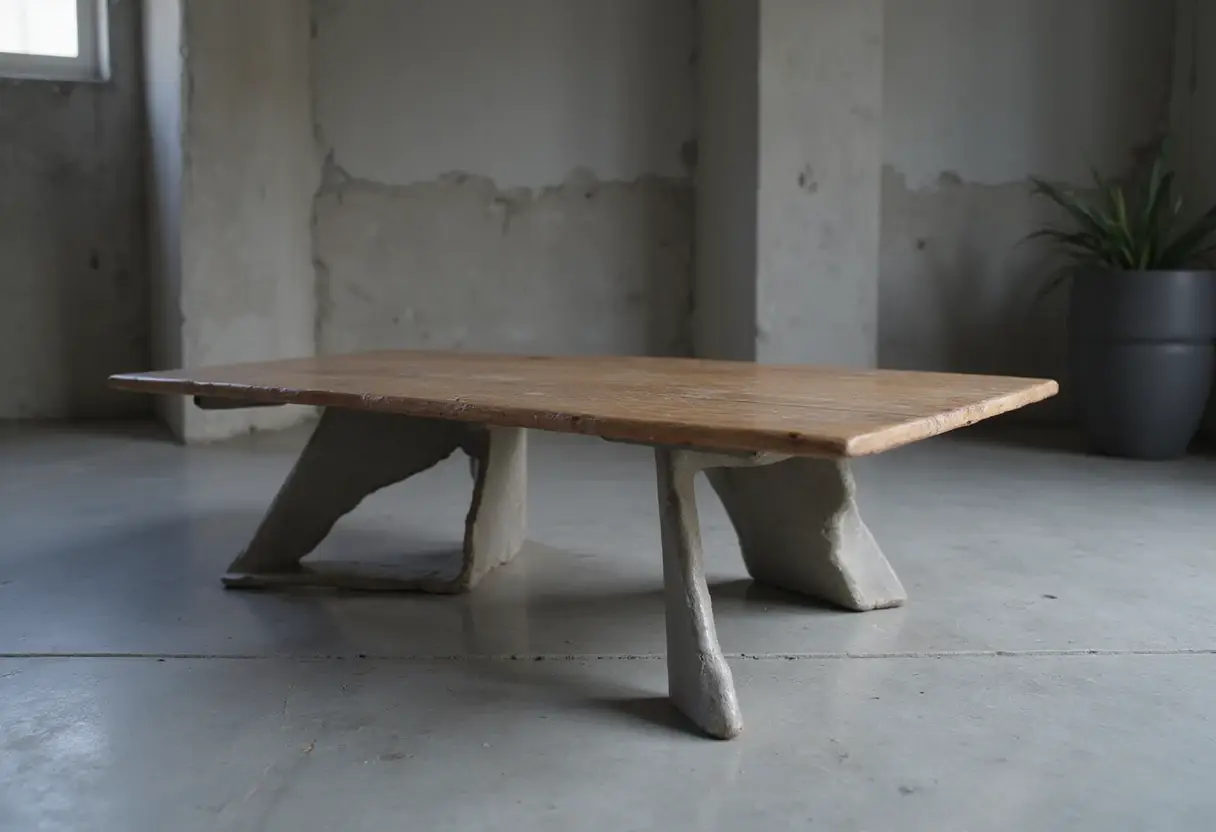
A bamboo coffee table with storage built into its own geometry debuted at the 14th Czech Design Week international design festival in Prague. Marek Kounovský of MK Designers designed the Handle Table in collaboration with Prague-based furniture company Frayer, and its entire premise rests on one word: enough.
The design draws on the Japanese principle of hodo-hodo, which loosely translates to "just enough." The philosophy favors moderation and balance. It encourages appreciating things that serve their purpose without excess. Kounovský applies that thinking directly: no elaborate mechanisms, no decorative add-ons. Proportion, geometry, and the relationship between form and function carry the design instead. Every visible detail has a reason to exist.
What does the hidden storage actually do?
Coffee tables collect things. Remote controls, magazines, chargers. The Handle Table gives those objects a dedicated compartment built directly into the table's geometry, keeping the exterior clean. The compartment stays visually discreet, so the table keeps its sculptural appearance even while performing a second job.
The integrated handle works the same way. It's not a separate attachment. It's cut into the tabletop itself, which makes the piece easier to move and reposition. That matters in contemporary interiors, where furniture often serves different activities throughout the day. The table can shift between spaces and arrangements without demanding a permanent position.
Why bamboo, and why that finish?
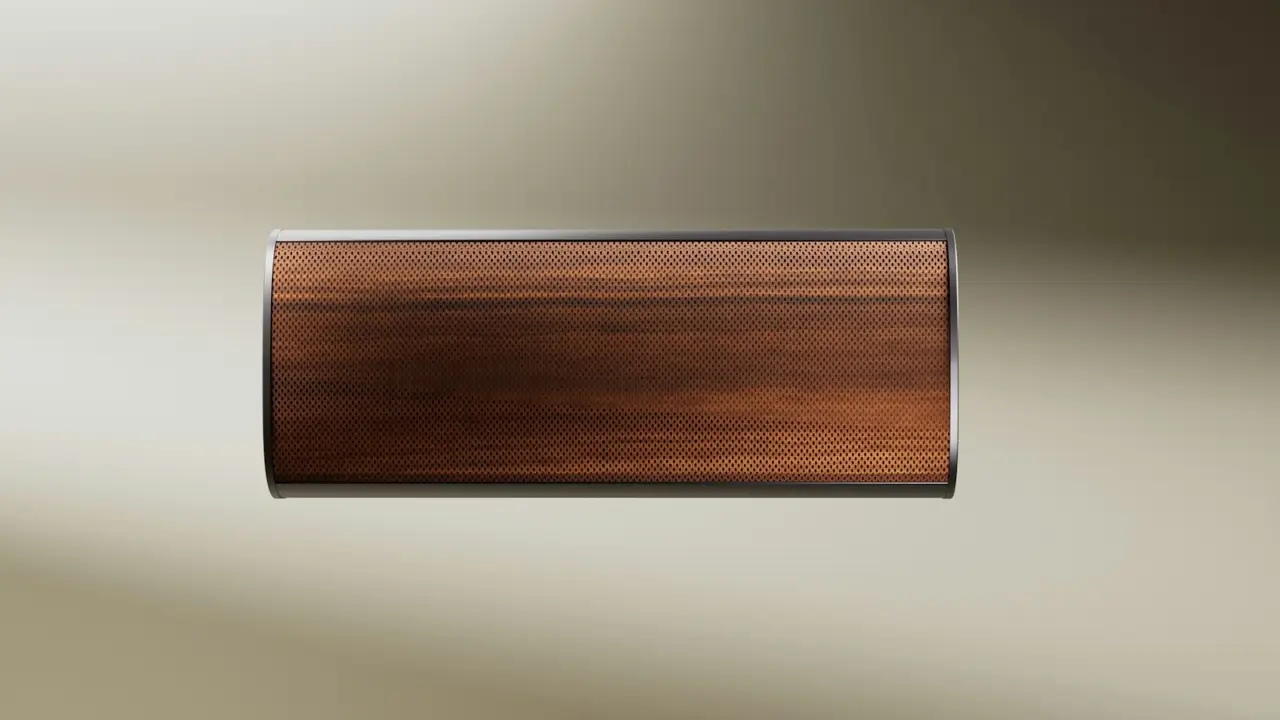
Material selection plays an equally significant role. Bamboo forms the main structure, bringing its recognizable grain and natural texture into an otherwise reduced design. The surface is treated with an oil-based wood stain, developed through experimentation with application techniques suited specifically to bamboo.
The finish doesn't hide the material under an opaque coating. It emphasizes the bamboo's inherent structure and tactile qualities. The result gives the table a sense of depth while retaining the character of the raw material.
That attention to finishing matters more here than it would on a busier piece. With so few visual elements, the material becomes one of the primary ways the object communicates its identity. The stained bamboo, precise construction, and controlled proportions generate visual interest through restraint. Even the concealed compartment demonstrates how practical considerations can become part of the furniture's fundamental structure rather than additions made after the form is set.
Where was it shown, and who built it?
First presented at the 14th Czech Design Week in Prague, Handle Table reflects the collaboration between Kounovský's design practice and Frayer's approach to bamboo furniture. The project pairs an interest in thoughtful material treatment with an understanding of how furniture participates in daily routines. Its simplicity is the result of deliberate decisions about what to include, what to conceal, and what to leave out altogether.
The table doesn't reinvent the coffee table through an abundance of features. It refines a familiar object through a few carefully integrated gestures. The storage keeps essentials close. The handle makes movement easier. The bamboo brings warmth and texture to the compact form. In a category where additional features are routinely pitched as improvements, Kounovský offers a different proposition: a well-designed object needs only enough to do its job beautifully.
Original: instagram.com
More from Priya Raman
Show full bio
News editor covering people, launches and day-to-day practice in construction industry, architecture, interior design at Built Current.
153 articles