The New School Rethinks NYC's Pre-Approved ADUs Without Petroleum
Parsons students built full-scale corner prototypes from straw, timber, and hemp blocks, asking what ADUs look like when form follows bio-based materials.
- Section
- Architecture
- Author
- By Amara Osei
- Filed
- Length
- 3 min read
Key takeaways
- The New School's design workshop has been taught since 1998 and now focuses on bio-based materials
- NYC's ADU for You program has legalized ADUs for over two years
- Three teams built full-scale corner prototypes from fiber, wood, or mineral systems
- The mineral team used Hemp Blocks from Lancaster Lime Works in Pennsylvania
- The exhibition opened during Climate Week, and students gave the materials away to visitors who requested them
Three student teams at The New School have built full-scale corner prototypes of accessory dwelling units made entirely from fiber, wood, or mineral-based materials — replacing the petroleum-based products specified in New York City's official pre-approved ADU designs.
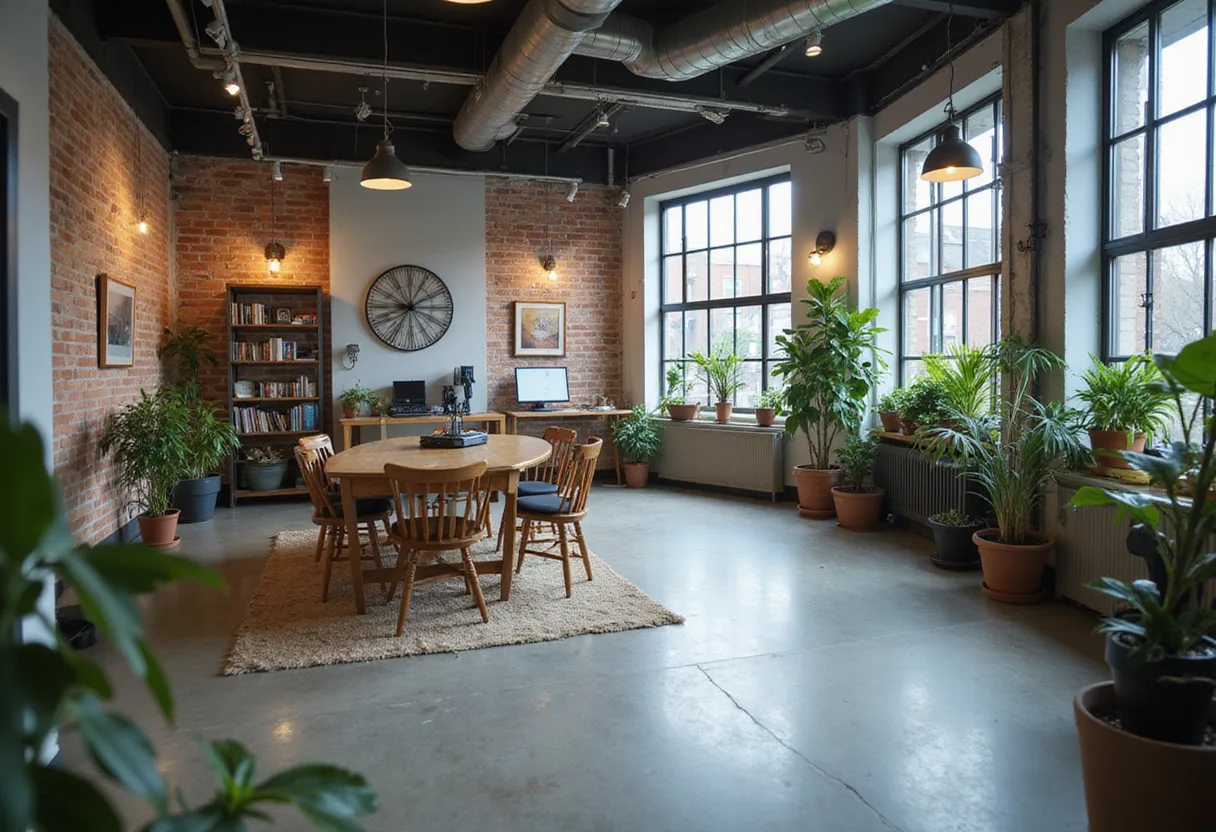
The results appeared in the exhibition The New ADU: Beyond Petroleum, presented in the campus's 5th Avenue welcome center-turned-storefront at Fanton Hall. The opening coincided with Climate Week last month.
Where did the brief come from?
The exhibition grew out of The New School's design workshop, a Masters of Architecture studio taught since 1998. Now taken in the program's second-year spring semester, the course has increasingly embraced bio-based building materials and experimentation.
David Lewis and Dr. Sharon E. Sutton, last year's professors of the workshop, split the studio into three teams to study ADU for You, the city program that has legalized ADUs in New York for over two years. Midway through the semester, the Department of Buildings released its ADU for You pre-approved designs — designs currently spec-ed with petroleum-based materials.
Lewis and Sutton instead tasked each team to design with a fiber-, wood-, or mineral-based system, taking inspiration from "The Three Little Pigs."
"In other words, if you only had to build out of a fiber-based system, or a wood-based system, or a mineral-based system, what then would be the form of the ADU that would be a resultant of the materials, as opposed to designing something and putting materials on it?" Lewis told AN. "Here, the form is a consequence of thinking through bio-based and geo-based building materials."
What did each team build?
- Wood: The timber team designed modular timber blocks assembled from off-cut scraps of locally sourced dimensional lumber. "The concept behind this was to scale down mass timber into a form that was manageable and buildable via one person," said student Max Czysz. The system requires no specialized labor to construct.
- Mineral: This team built primarily with a ready-made Hemp Block manufactured by Lancaster Lime Works in Pennsylvania, supplemented by reclaimed bricks from Chief Bricks and recycled metal the students sourced themselves from a scrapyard in Brooklyn's Gowanus neighborhood.
- Fiber: The fiber team sandwiched traditional straw bales between a fiber-based sheathing by Plantd — a visually convincing alternative to OSB. Student Amyri Williams noted straw's comparative lack of use, citing assumptions that "it might magically tumble over," a nod to the Three Little Pigs premise.
Sourcing locally was deliberate. "It's really important for us, I think, as a studio to consider what it means to build these relationships with local or fairly local manufacturers and suppliers, so that sourcing and procurement doesn't become an issue to someone actually being able to build this way in their backyard," said Ben Holstine of the mineral team.
Why does the material split matter?
The material categories acted as both a constraint and a pedagogical instrument. But the real lesson, Williams told AN, is that these materials work better in concert than in isolation. Her team found a fiber-based alternative to dimensioned lumber for its frame but opted against using it.
Each project displayed drawings, renderings, and research alongside the prototypes. A carbon comparison juxtaposed the carbon stored and emitted by each project against a conventional ADU.
The stakes extend beyond the studio. ADUs, Lewis emphasized, will represent a large portion of housing in NYC's City of Yes in the near future — and the exhibition's closing gesture underscored that material circularity: students offered the materials to any visitors who requested them.
Original: housing.hpd.nyc.gov
More from Amara Osei
Show full bio
Market editor covering companies, deals and strategy in construction industry, architecture, interior design at Built Current.
134 articles