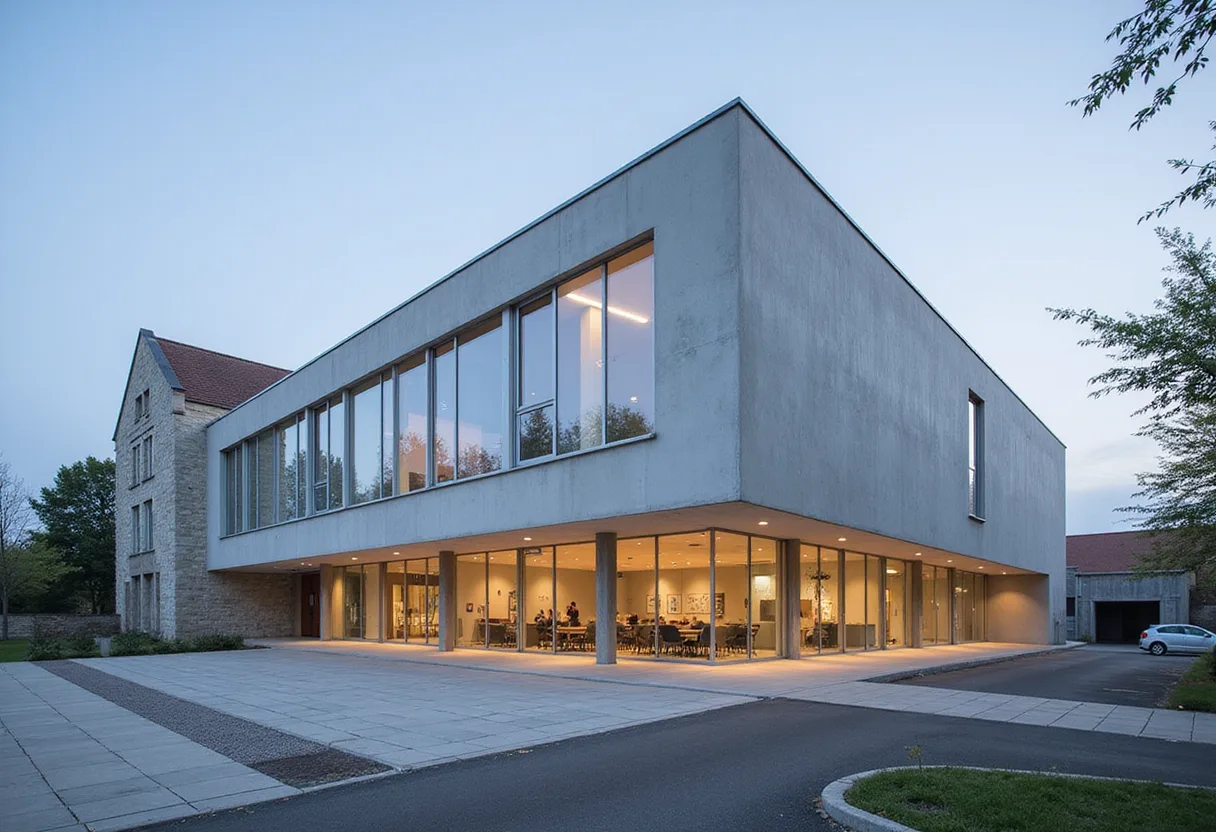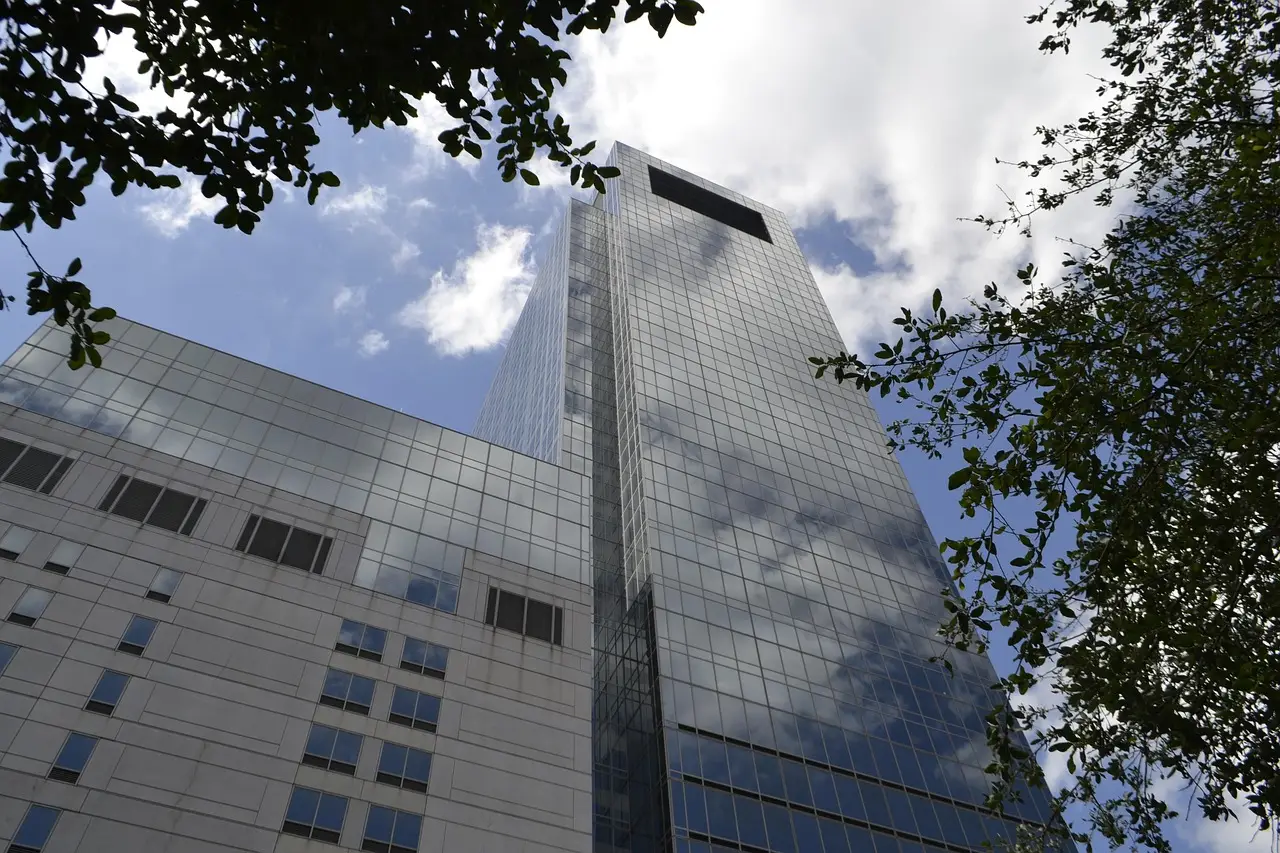
Seven Unbuilt Healthcare Projects Ask What Healing Architecture Means
ArchDaily readers submitted seven unbuilt healthcare projects across six countries, from a Kent wellness retreat to hospitals in Khobar, Mississauga and London redefining care.
- Section
- Architecture
- Author
- By Grace Kim
- Filed
- Length
- 2 min read
Key takeaways
- Seven unbuilt healthcare projects submitted by ArchDaily readers span six countries
- The collection includes a 10-bedroom wellness retreat in Kent, United Kingdom
- A Nicosia day center is designed as a sensory-regulation system for adults on the severe end of the autism spectrum
- Hospital proposals in Khobar, Mississauga and London address teaching, digital connectivity and phased facility replacement
- The set spans the UK, China, Cyprus, Türkiye, Saudi Arabia and Canada
Ten bedrooms in Kent, a sensory-regulation system in Nicosia, and three hospitals on three continents: ArchDaily's community has surfaced seven unbuilt healthcare projects that read health as more than the absence of disease. The collection spans the United Kingdom, China, Cyprus, Türkiye, Saudi Arabia and Canada, and it treats a building as an active participant in care rather than a container for it.
That framing is the point. As the publication notes, health can mean the treatment of disease, the prevention of illness, physical rehabilitation, or "a broader condition of physical, mental, and social well-being." Each project in the group answers a different one of those definitions.
What does this change for healthcare design?
The seven proposals split cleanly by scale and ambition. At the small end sits a 10-bedroom wellness retreat in Kent, a building type where rest and recovery lead the brief. In Tengjiao, China, a community health service center puts everyday, neighborhood-level care at the center of the program rather than hospital-based treatment.
The Nicosia project may be the most specific of the group: a day center in Cyprus designed, in ArchDaily's description, as a sensory-regulation system for adults on the severe end of the autism spectrum. That is architecture operating almost medically — the building itself manages stimulation rather than simply housing a service.
Antakya, in Türkiye, contributes a daycare and rehabilitation facility, a response shaped by a region that knows something about recovery.
Three hospitals, three models
The large end of the spectrum belongs to three hospital proposals in Khobar, Mississauga and London. According to the source, the Khobar project in Saudi Arabia addresses a teaching mission; Mississauga's Canadian proposal centers on digital connectivity; and the London scheme tackles the phased replacement of existing facilities.
Together they show how differently the idea of care scales up. A teaching hospital, a digitally networked one, and one rebuilt incrementally on a live site each demand a distinct architecture — and none of them starts from the same definition of health.
The unbuilt status matters here, too. None of these projects has reached completion, which makes the set less a record of construction than a survey of where healthcare design thinking currently sits.
The wider lens
ArchDaily frames the deeper question plainly: what a building can contribute to healing has no single answer, and it "shifts with culture, resources and the needs of the people who use it." The seven projects bear that out — from diagnostic and surgical efficiency at one end to contact with nature, community life and sensory comfort at the other.
The through-line is a holistic understanding of well-being that extends beyond injury or illness. If these proposals share one conviction, it's that the program of healthcare architecture is still being negotiated, project by project, and mostly before anything gets built.
Source: ArchDaily
More from Grace Kim
Show full bio
Staff writer covering money, funding and market shifts around construction industry, architecture, interior design at Built Current.
394 articles