Calm Haven House: A 320 m² Home for Two Doctors in Vietnam's Mekong Delta
ADA Design & Build completed Calm Haven House in 2025: a 320 m² Mekong Delta home for a young doctor couple expecting their first child, led by architect Chau Thang.
- Section
- Architecture
- Author
- By Elena Vasquez
- Filed
- Length
- 3 min read
Key takeaways
- Calm Haven House covers 320 m² and was completed in 2025.
- Lead architect: Chau Thang of ADA Design & Build.
- The clients are a young doctor couple from the Mekong Delta expecting their first child.
- Photography by Minh Quoc Bui; manufacturer Hafele supplied the project.
- The brief called for a home to relax and recover after the demands of medical work.
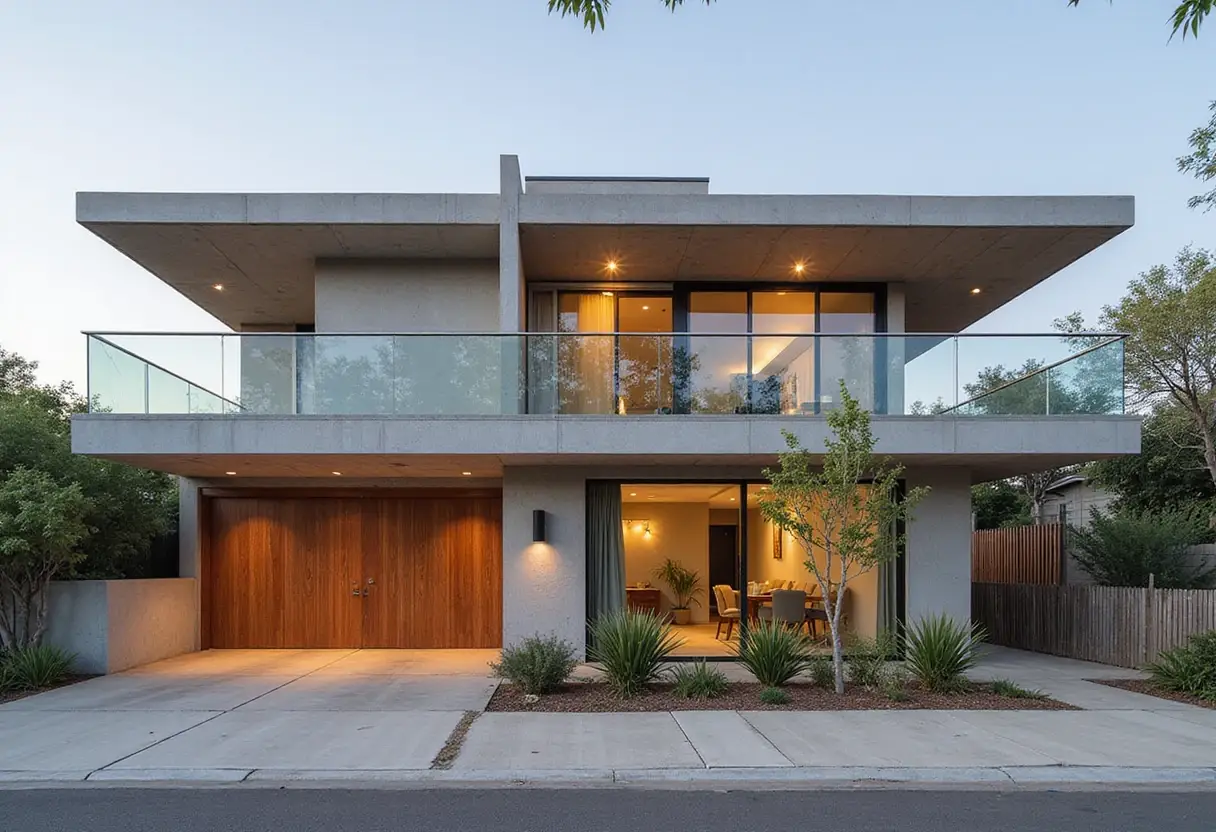
A 320-square-metre house completed in 2025 is the answer ADA Design & Build gave to a specific brief: two doctors, expecting their first child, wanted a home where they could recover from the demands of hospital work.
The project, called Calm Haven House, sits in the "Land of Coconuts" — the nickname for the couple's home region in Vietnam's Mekong Delta. Chau Thang led the design as lead architect. Minh Quoc Bui photographed the completed building, and hardware manufacturer Hafele supplied components for the project.
The clients' story explains the design brief. The couple met at university, formed what the architects describe as a "deep connection with each other," and spent their youth building careers in medicine. As they prepared to welcome their first child, they chose to build in the city where they both work rather than return to their hometown.
What kind of home did the couple ask for?
Their words, as relayed by the architects, were specific: they envisioned "a peaceful, tranquil, yet warm and welcoming home — a place where they could relax and recover after the demands of their work."
That's a brief built around recovery, not display. For two medical professionals working in a delta region — a hot, humid climate with dense greenery — the design problem is how a house produces calm. The name itself, Calm Haven House, states the goal.
The 320 m² figure gives scale. That's roughly the floor area of three average European apartments, a generous footprint for a family of three. It suggests the house spreads out horizontally or rises in low volumes, giving each family member room to decompress after long shifts.
Who built it, and with what?
The project team is compact:
- Architect and builder: ADA Design & Build
- Lead architect: Chau Thang
- Year: 2025
- Photography: Minh Quoc Bui
- Manufacturer: Hafele
Hafele's involvement points to fitted interiors — the German hardware supplier typically provides joinery fittings, sliding systems and kitchen components, though the architects' text does not specify which products were used.
The description comes directly from the architects themselves, which is standard practice for residential project announcements. Readers should treat the framing — the emotional narrative, the emphasis on tranquility — as the designers' own account rather than independent reporting.
Why does this project matter?
Calm Haven House joins a growing body of Vietnamese residential work that treats the home as a counterweight to demanding urban careers. The Mekong Delta context matters here: the region's coconut groves, waterways and slow rural rhythm are cultural touchstones for its residents, and a couple from the "Land of Coconuts" building in their work city carries that identity with them.
For ADA Design & Build, the project is a 2025 flagship — a completed, photographed house led by a named architect with an international manufacturer attached. That combination signals the firm's ambitions beyond regional work.
The house will now face its real test: a first child, two medical careers, and daily life in a climate that tests every building material. Whether it delivers the calm its name promises is a question only its residents can answer.
Source: ArchDaily
More from Elena Vasquez
Show full bio
Senior reporter covering money, funding and market shifts around construction industry, architecture, interior design at Built Current.
154 articles