Rail Baltica seeks €357.5m as 2030 completion stays uncertain
Rail Baltica seeks €357.5m from the EU for 2027–30 construction across three Baltic states, while the 870km line is estimated at €19bn–€25bn and its completion date remains uncertain.
- Section
- Construction
- Author
- By Amara Osei
- Filed
- Length
- 3 min read
Key takeaways
- Rail Baltica requested €357.5m from the EU for main-line construction from 2027 to 2030.
- The request divides €200m from CEF’s general envelope and €157.5m from its cohesion envelope.
- The EU has supplied €4.5bn through 12 CEF grant agreements; CEF added €295.5m in July 2025.
- June 2024 estimates put the 870km line at €19bn–€25bn, more than four times its 2017 estimate of €5.8bn.
- The main line was originally due for completion in 2030, but that date is now uncertain.
By Amara Osei
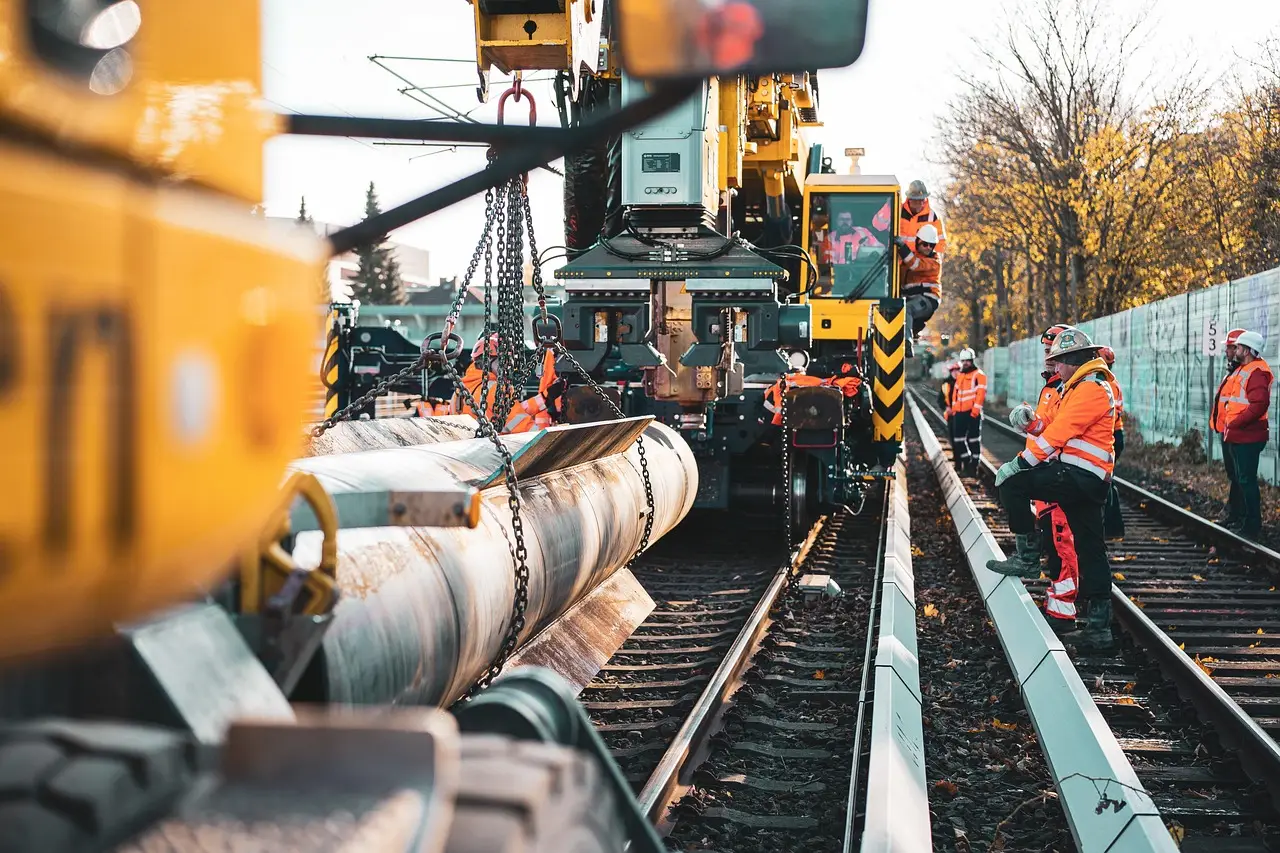
Rail Baltica has submitted a request for €357.5m from the European Union to help fund construction of the main railway through Estonia, Latvia and Lithuania between 2027 and 2030, according to Global Construction Review.
The application would split the money between two of the EU’s Connecting Europe Facility (CEF) organisations, with €200m from the general envelope and €157.5m from the cohesion envelope, Global Construction Review reported. The funds would cover construction, energy and signalling systems and land acquisition in the three Baltic states. Each country is also seeking development help.
What will the €357.5m fund?
According to Global Construction Review, the country work programmes would cover three distinct jobs:
- Estonia: Building the Tootsi–Timmermanni rail section, including bridges, viaducts and wildlife crossings, plus the Pärnu railway bridge.
- Latvia: Continuing ongoing mainline construction towards the Lithuanian border, including earthworks, bridges, road overpasses and wildlife crossings.
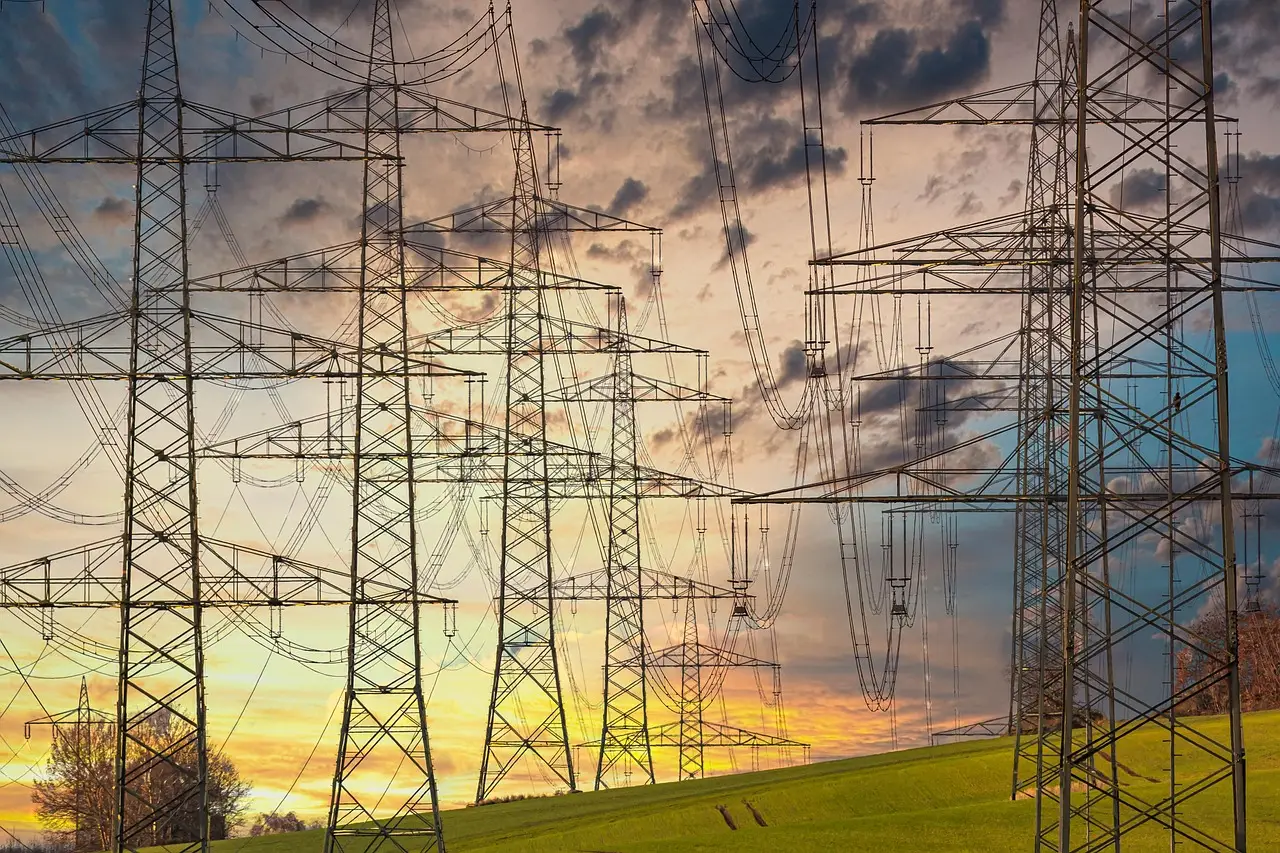
- Lithuania: Advancing electricity infrastructure needed for future railway operations, including high-voltage connections to traction substations.
Global Construction Review said each country would also seek development help, but the report attached no separate amount to those country requests. Together, the main packages cover physical works and the systems needed to operate them. The division is clear enough. The completion date is not.
How much has the EU already provided?
Global Construction Review reported that the EU has supplied €4.5bn through 12 CEF grant agreements. In July 2025, CEF supplied €295.5m to Rail Baltica. The new request extends an established funding relationship. It does not settle the cost or timetable.
The chronology is awkward but factual. The €295.5m contribution followed the June 2024 cost estimate, and the new request comes after both. Global Construction Review’s account places fresh EU backing alongside a sharply higher project cost. A new grant changes the building programme. It does not rewrite the estimate.
How far have costs moved?
Global Construction Review reported in June 2024 that the estimated cost of the 870km line would rise to between €19bn and €25bn. That range was more than four times the project’s 2017 estimate of €5.8bn. The earlier figure has aged badly.
What happens to the 2030 deadline?
Main-line construction will take place in stages, Global Construction Review said. Work was originally due to be completed in 2030, but the completion date is now uncertain. The new request targets construction from 2027 to 2030 and does not settle the wider delivery timetable.
Staging changes the practical meaning of the request. It ties the funding to a construction window without requiring the entire 870km route to finish at once. Global Construction Review did not report a revised completion date or a grant award timetable. The programme therefore has a defined construction window but no firm end point in the report.
The next test is whether Rail Baltica can turn the request into awarded grants and start the staged works scheduled for 2027–30. Until then, the figures remain €357.5m requested, €19bn–€25bn estimated and 2030 unresolved. Approved funding can accelerate construction. It cannot, by itself, supply a timetable.
Source: globalconstructionreview.com
More from Amara Osei
Show full bio
Market editor covering companies, deals and strategy in construction industry, architecture, interior design at Built Current.
354 articles