Peter Zumthor's limestone museum anchors Fondation Beyeler expansion
Fondation Beyeler soft-launches its expanded Basel campus, led by Peter Zumthor's Jura limestone Wyss Museum, ahead of a permanent January 2027 opening.
- Section
- Architecture
- Author
- By Priya Raman
- Filed
- Length
- 4 min read
Key takeaways
- Peter Zumthor's Wyss Museum is built almost entirely from Jura limestone; 11 builders spent two years on the limestone elements, much of it by hand.
- The expanded Fondation Beyeler campus soft-launched this week and opens permanently at full capacity in January 2027.
- The campus adds the Wyss Museum, Ammann Pavilion, Erlen Torhaus, an India Madhavi greenhouse and the Antonio Rossi-designed 'Salon' to the existing Renzo Piano museum from 1997.
Eleven builders spent two years working the Jura limestone of Peter Zumthor's new Wyss Museum — much of it by hand — and this week the Fondation Beyeler soft-launched the results to the public in Basel, Switzerland.
The expanded campus now includes the Wyss Museum, the Ammann Pavilion, the Erlen Torhaus office and art-handling tower, an India Madhavi-designed plant store and greenhouse, and a listening lounge called the "Salon". The spaces are open as a gradual preview before a grand launch in January 2027, when they will open permanently and at full capacity.
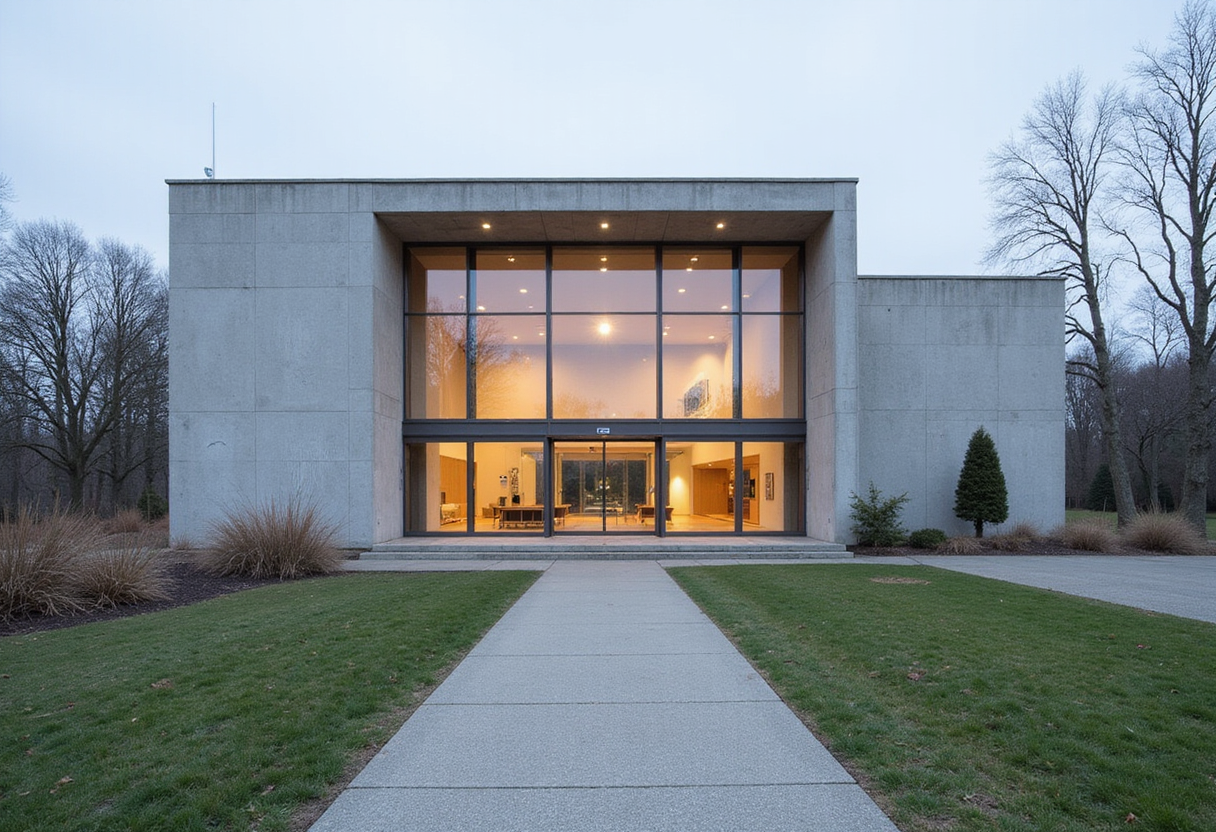
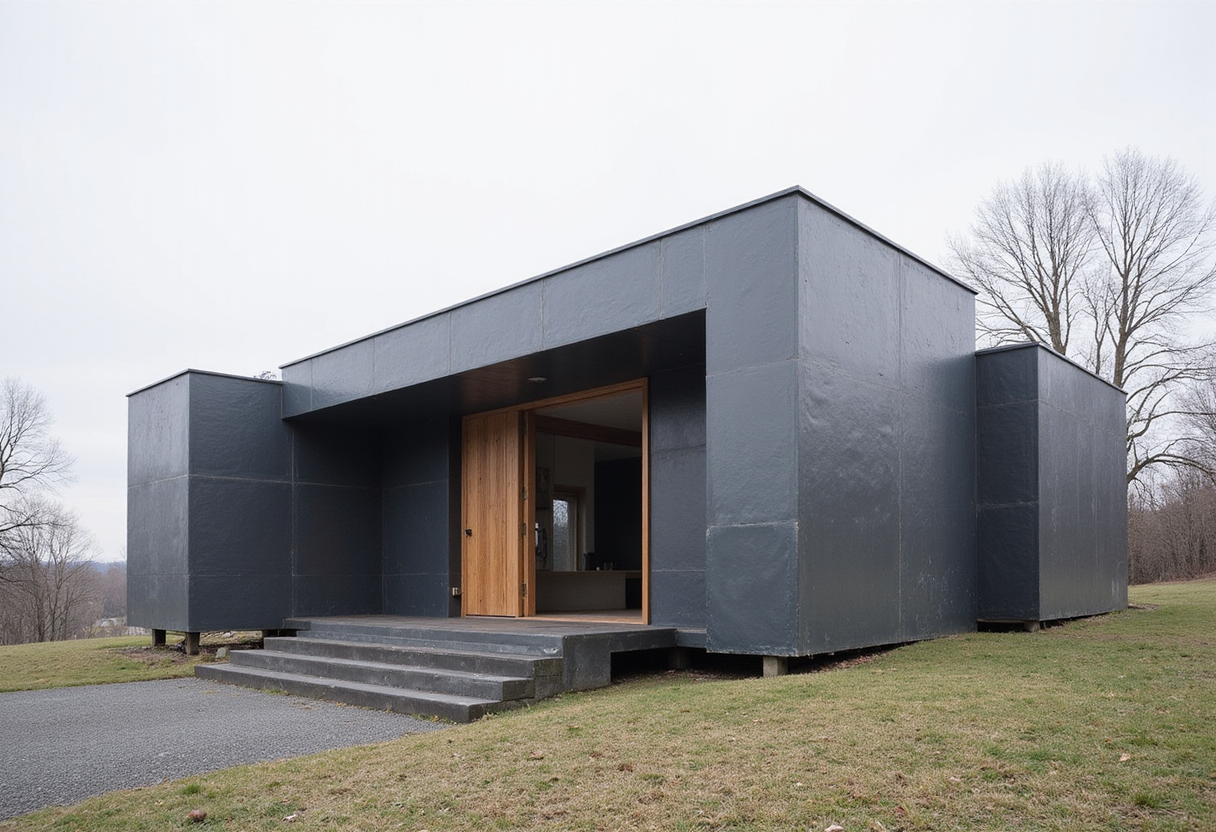
The Wyss Museum is the centerpiece. Zumthor designed the monolithic building for exhibitions drawing on the foundation's own collection and those of its regular collaborators. Three flowing, open-plan levels are made almost entirely from a single material: Jura limestone appears as rammed limestone walls, terrazzo floors, limestone wash on internal walls and slabs on benches. Zumthor followed the construction closely, visiting the site to ensure the material's natural variation, as it was rammed into place, felt balanced and appropriate to his vision.
The Swiss architect sourced materials locally. Architectural bronze frames the building's generous openings — Zumthor favors horizontal light, so large side windows illuminate the galleries softly while letting the eye wander toward the surrounding greenery — and pear tree wood forms the door handles.
The building joins an existing 18th-century period structure, which houses one of Basel's cafés, and the Renzo Piano-designed Beyeler Museum, opened in 1997. The foundation's rotating exhibitions draw from the collection assembled by Ernst and Hildy Beyeler, which spans Pablo Picasso to Claude Monet and comprises over 400 classical, modern and contemporary art works, according to the institution's website. Until now the collection has been housed predominantly in the Piano building.
At the campus' heart, just outside the Wyss Museum, sits Zumthor's Ammann Pavilion. Here the architect took a similarly local and tactile approach, focused on timber: cherry wood lines floors and walls, pear tree forms the handles, and oak makes up the structural frame. The building is wrapped in glazing and furnished with pieces by Spanish studio Casa Muñoz. Its program will span concerts, talks, dinners and private functions, making it potentially the campus' most public-facing space.
Opposite the pavilion stands the Erlen Torhaus, a wooden-framed tower with glazed façades that hosts offices and art-handling logistics. Artworks enter through this building before moving to their exhibition spaces; an underground connection between the tower and the Wyss Museum allows the works to travel safely and securely.
The period structures forming the street-facing side of the campus received two new interiors. India Madhavi designed a plant store and greenhouse conceived as a cold house where plants can survive as the climate warms. Antonio Rossi created the "Salon", a soft, warmly colored listening lounge with soft furnishings, where a collection of vinyl — selected for its sleeves by well- and lesser-known artists — is available to enjoy. The Salon will host its own public program of writing, debating and music sessions.
The grounds, a formerly private park now open to the public as a sculpture garden and urban space, also figure in the plans. New pieces by Louise Bourgeois, Pierre Huyghe, Rachel Whiteread and Fujiko Nakaya have been curated in place, sparsely arranged to give visitors a sense of discovery. An entirely new garden section arrives next year, with an addition by Fischli/Weiss following in spring.
Zumthor, who grew up in nearby Oberwil, spoke of his personal connection to the site: "Bettingen lies on the hillside above Riehen; my first girlfriend lived there. We used to visit each other – it was a two-hour walk from Oberwil to Bettingen. Memories like that connect you to a place in a very personal way."
He added: "I haven't yet designed a building in Basel myself. I never got an invitation to. So I'm all the more pleased that the expansion of Fondation Beyeler allows me to build in a place that means so much to Basel and the region."
With the January 2027 grand launch still ahead, the foundation now faces the task of programming a campus that has, in one stroke, more than doubled its architectural footprint — and given Basel its first Zumthor building.
Original: google.com
More from Priya Raman
Show full bio
News editor covering industry trends and analytics at Built Current.
63 articles