Nutum Estudio Plants an 84 m² House on a Yucatecan Dune
Nutum Estudio's 84 m² KatNap House, completed 2023, stands on the fragile dunes of Sisal, an old Gulf of Mexico port — with no garden, only the beach.
- Section
- Architecture
- Author
- By Elena Vasquez
- Filed
- Length
- 2 min read
Key takeaways
- KatNap House measures 84 m² and was completed in 2023.
- Nutum Estudio designed the house; lead architects are Sara Ferrer Inaebnit, Pablo Rivero Vallado and Josep Azuara Robles.
- The site is the coast of Sisal, an ancient fishing and commercial port on the Gulf of Mexico.
- The architects state: "There is no garden; there is only the beach."
- Manufacturers on the project: GaiaDesign and Mesawa; photographs by Rodrigo Hermida.
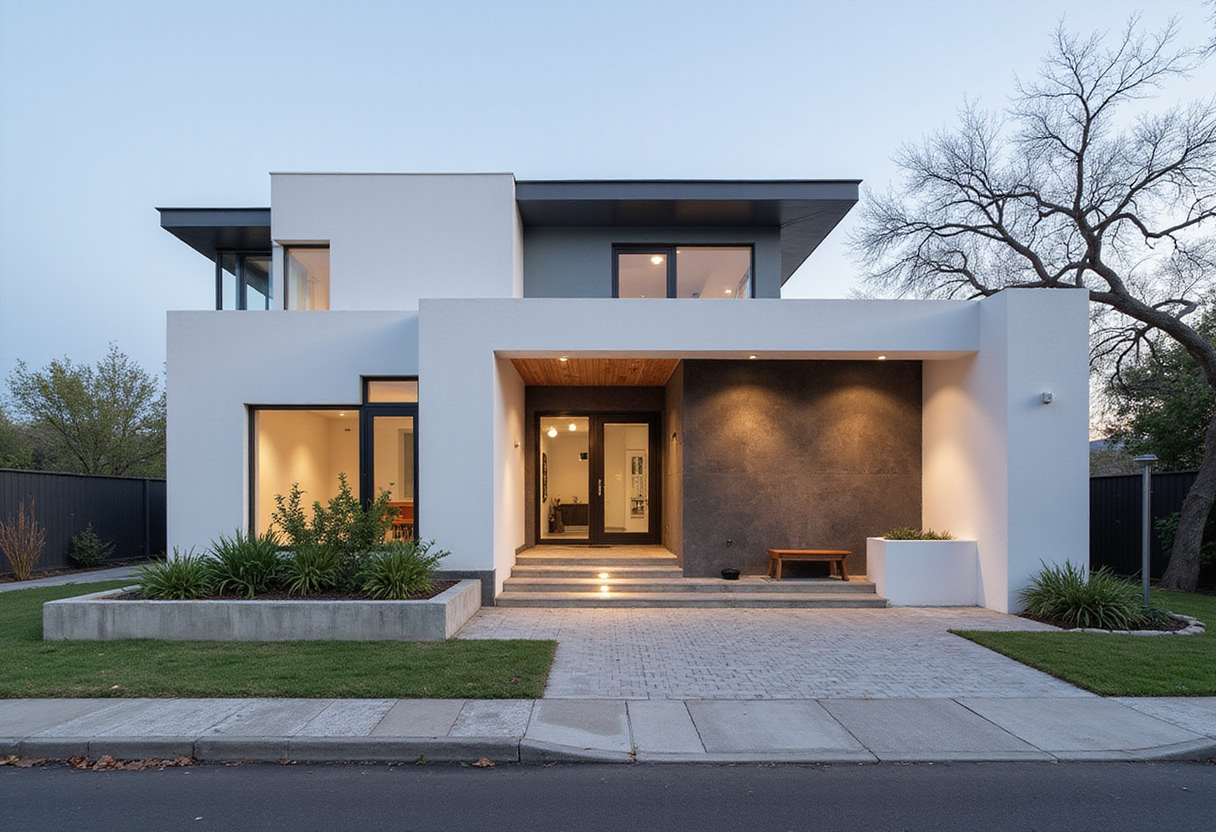
KatNap House covers just 84 square metres — roughly the footprint of a two-bedroom flat — and it stands directly on the shifting dunes of Sisal, an ancient fishing and commercial port on the Gulf of Mexico. Nutum Estudio completed the residence in 2023, and the firm describes it as a contemporary refuge anchored in a landscape it calls fragile: the Yucatecan dune.
You reach the house the way you'd reach the shoreline itself. A narrow path winds through lush native vegetation before the building appears. There is no introduced landscaping at all. As the architects put it: "There is no garden; there is only the beach."
That single line carries most of the project's argument. Instead of replacing the dune ecosystem with a manicured yard, the house leaves the site's plant life untouched and treats the surrounding vegetation as the only buffer between the structure and the sand.
Who built it, and with what?
Nutum Estudio led the design with three architects at the helm: Sara Ferrer Inaebnit, Pablo Rivero Vallado and Josep Azuara Robles. The project team worked with two named manufacturers, GaiaDesign and Mesawa. Rodrigo Hermida photographed the completed house.
The 2023 completion date places KatNap House among the recent wave of small-scale coastal work on the Yucatán Peninsula, where architects increasingly face a choice between importing suburban conventions and building around what the dune already provides. This project clearly takes the second route.
What does the footprint tell us?
At 84 square metres, the house is compact by any standard — a size that keeps its physical claim on the dune to a minimum. The architects frame the building as a refuge rather than a statement, a small structure that sits within the existing vegetation line rather than clearing a plot for it.
The name itself, KatNap, signals the building's intent as a place of rest, though the studio's text keeps its description spare: a contemporary refuge, a narrow approach path, native plants on every side, and the beach beyond.
The source material stops at the site's edge — it doesn't detail the interior layout, structural system or materials list beyond the two manufacturers involved. What it does make clear is the stance: on a fragile dune ecosystem along an old port town's coast, this house tries to take up as little of the story as possible.
Source: ArchDaily
More from Elena Vasquez
Show full bio
Senior reporter covering money, funding and market shifts around construction industry, architecture, interior design at Built Current.
126 articles