Museum of Native Heritage Opens Its Doors in Greenwich, New Jersey
A new 4,000-square-foot Museum of Native Heritage in Greenwich, NJ will house over 30,000 Lenape-area artifacts collected by George Woodruff and Alan Carman.
- Section
- Architecture
- Author
- By Grace Kim
- Filed
- Length
- 3 min read
Key takeaways
- The Museum of Native Heritage held its first public open house on November 8 at 884 Ye Greate Street, Greenwich, Cumberland County.
- The 4,000-square-foot timber building, designed by Manders Merighi Portadin Farrell Architects, will house the Woodruff and Carman collections.
- George Woodruff collected over 30,000 artifacts within a 30-mile radius of his home, beginning his catalog around 1917.
- Around 3,000 descendants of the Lenape people still live in the region today.
- Displays and the mortgage depend on community donations, coordinated through Theodore H. Ritter and Richard Adamczyk.
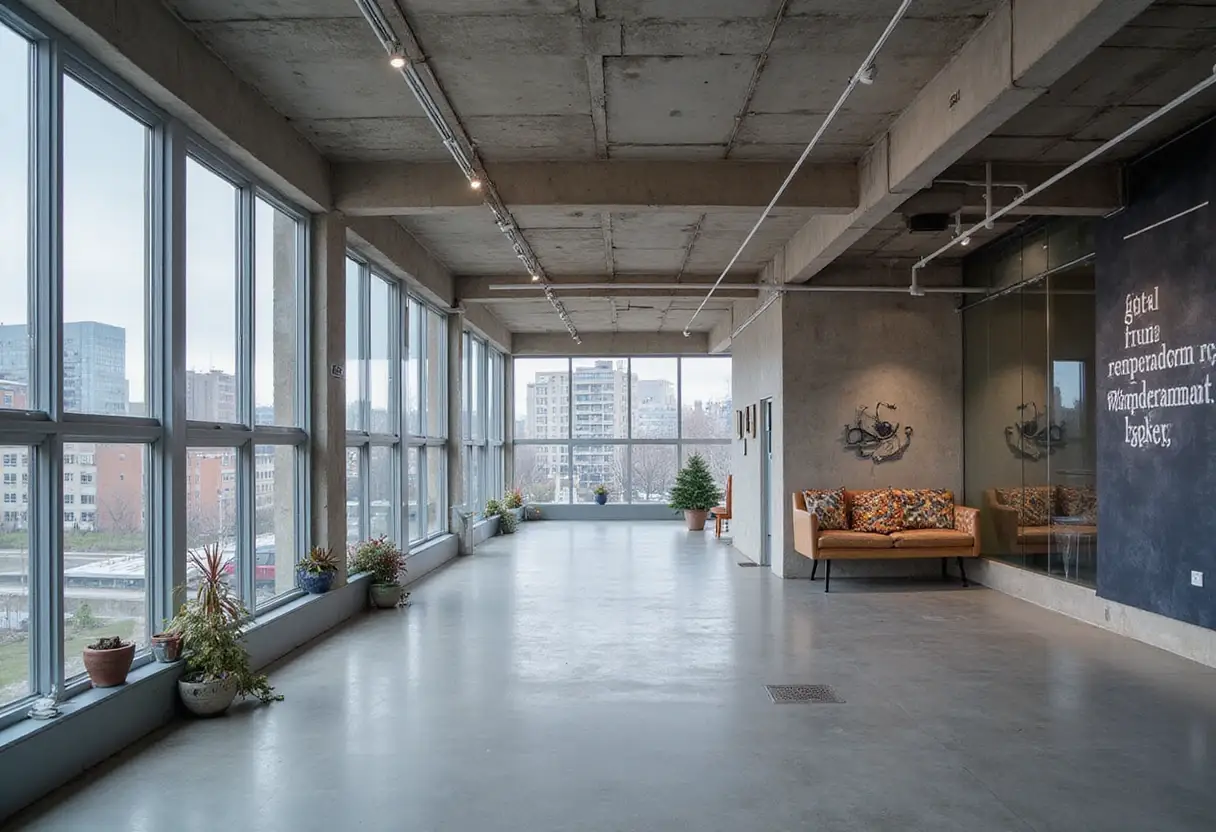
A 4,000-square-foot museum built to hold more than 30,000 Indigenous artifacts opened its doors to the public for the first time on November 8 in Greenwich, Cumberland County. The Museum of Native Heritage, designed by Manders Merighi Portadin Farrell Architects, stands complete at 884 Ye Greate Street — though its rooms are still empty, waiting for the collections that will fill them.
The Cumberland County Historical Society, Fabbri Builders, and the Woodruff family carried the building to completion, with help from many donors. The November 8 open house invited visitors to walk the empty rooms while docents sketched out what each space will become.
Brianna Dagostino, a descendant of the Lenape people and a teacher of Native American history at Millville High School, welcomed guests in her ancestral language. She described her family's roots in the Greenwich area and welcomed the collections' proximity to the original sites where the artifacts were found.
What will the museum hold?
Two local collections anchor the project. George J. Woodruff (1904–1969) found his first point at age 10, while picking up chestnuts on his father's farm, and spent 55 years amassing over 30,000 implements — all found within a 30-mile radius of his home. He began cataloging his finds around 1917, numbering each piece, recording its origin, and cross-referencing whether he found it or it was donated.
Alan Carman was the other serious local collector, and both men wanted to understand the original inhabitants, their culture, and the uses of the implements they found. Around 3,000 descendants of the Lenape still live in the area today. Both collections were previously accessible elsewhere: the Woodruff collection at the Bridgeton Library, and the Carman holdings at the Prehistoric Museum in Greenwich.
The building itself is timber-framed, designed to fit the agricultural landscape without competing with Greenwich's colonial-era homes. A U-shaped wall in the Woodruff Room will recreate an archaeologist's field station, letting visitors see the tools of the trade.
What will visitors actually do there?
The plans lean heavily on interaction. Assistant Curator Jonathan Dernbach presented a concept for an experiential sand tank activity that will let visitors simulate digging for discoveries, identify what they find, and then hunt for similar pieces in the exhibits. The goal, per the museum, is to help visitors determine a piece's intended use and its time period — and to make discoveries about pre-Contact peoples.
The Carman gallery will focus on the lifestyles and archaeological time periods of ancestral Indigenous Americans, featuring pottery plus implements for farming, hunting, and cooking. Dagostino, hosting that room with her mother Marie Reed Ayars and brother Dylan Ayars, displayed a replica Clovis point and an atlatl as previews. She expressed her excitement about representing her culture's ancestral heritage.
Elsewhere, Consulting Curator of Paleontology Kyle Mcauley explained fossils in a future Paleontology Gallery, and Curator of Collections Richard Adamczyk walked visitors through the cataloging process: identifying each artifact by use, time period, and find location, then wrapping it in acid-free material.
Adamczyk also fielded questions about incised pottery designs, noting that present-day Native American descendants share their understanding of the patterns' symbolic meanings. One previous visitor, he recalled, explained a design's meaning — and had the same design tattooed around her arm.
Much cataloging remains before the collection goes on display, and both the quality of the displays and the mortgage depend on community donations. The Historical Society directs interested donors to Theodore H. Ritter ([email protected], 856-451-3030) or Richard Adamczyk ([email protected], 609-610-9802).
Source: haddonfieldsun.com
More from Grace Kim
Show full bio
Staff writer covering money, funding and market shifts around construction industry, architecture, interior design at Built Current.
356 articles