MASS Redraws the Architect's Job Description in Malawi
MASS is designing, funding and co-shaping the Moving Windmills Innovation Center in Kasungu, Malawi — blurring the line between architect and client in the process.
- Section
- Architecture
- Author
- By Amara Osei
- Filed
- Length
- 3 min read
Key takeaways
- MASS raises more than $5 million annually from donors to fund research, catalyst projects and systems changes.
- William Kamkwamba built his windmill at age 14; his 2009 TED Talk brought the story global fame.
- The Moving Windmills Innovation Center in Kasungu, Malawi, starts construction with a machine shop at the center of four quadrants.
- The 2025 OBEL award went to a movement, not a firm; Duvall Decker won the 2026 AIA Architecture Firm Award.
- "The Boy Who Harnessed the Wind" film was released in 2019; a musical production follows in 2026.
MASS, the non-profit architecture firm based in Kigali and Boston, is doing more than designing the Moving Windmills Innovation Center in Kasungu, Malawi — it is helping fund it, research it and shape its program. The firm raises more than five million dollars annually from donors, money that bankrolls research, catalyst projects and, now, a campus built around the story of a windmill made from scrap.
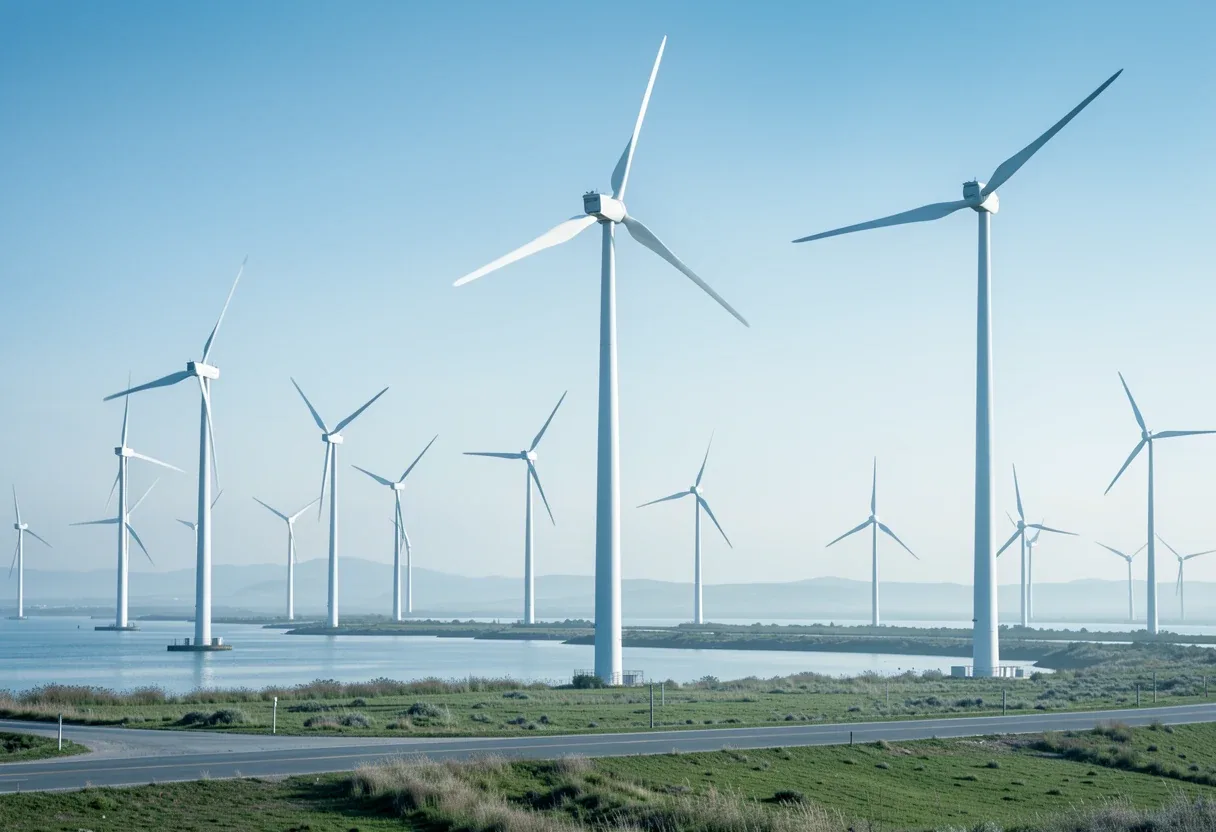
That story started in 2009, when William Kamkwamba told a TED audience how, at 14, he built a windmill from locally available items to pump water for his village's drought-stricken fields in Kasungu, using his school library's books as a manual. The famine was severe. The improvised turbine worked. Hollywood followed in 2019 with "The Boy Who Harnessed the Wind," and a musical theater production arrives later in 2026.
Kamkwamba has since founded the Moving Windmills initiative, which supports young inventors in the rural agrarian community through workshops, parts stores and connections to experts. The Innovation Center, designed with MASS, scales that work into a permanent campus.
What changes when the architect stops waiting for a brief?
The project's premise is a small heresy: young people are treated, in the center's own language, not as beneficiaries but as "innovation makers." The campus functions as a living laboratory where architecture and design embody the Windmills pedagogy — a circular process of iterating, testing, applying practical solutions and storytelling.
The build order is concrete. A machine shop goes up first, at the center of four quadrants that also hold a field space and market, a community and events space, and student housing. Staff housing, a football pitch, a nursery, a solar array and regenerative agriculture follow. Wall systems are already being tested on site. Construction uses human-centered design, local materials and on-site craftsmanship — built, as the project puts it, not just for the community but by it.
Is this a profession in mid-transformation?
The historical arc matters here. Brunelleschi, designer of Florence's Duomo, is regarded as the first overseer of construction uninvolved in building — the first architect in the modern sense. The Renaissance split design from construction; the fraud-ridden speculative booms of the 1800s produced professional bodies that separated design from profiteering; postwar welfare states briefly welded architects to housing, education and healthcare, before reliberalization returned them to service-provider status.
MASS sits at the far end of a countertrend. Its partnering model on Moving Windmills extends the firm into planned activities, research, community engagement and fundraising — territory the profession spent five centuries fencing off.
Recognition is catching up with the shift. In 2025, the OBEL architecture award went to a movement rather than an office or project. In 2026, Mississippi's Duvall Decker won the AIA Architecture Firm Award for practice that moves beyond traditional commissions to understand and provide for communities through multidisciplinary teams.
Whether the expanded scope becomes a direction for the profession or remains a niche for well-funded non-profits is the open question. The wall tests in Kasungu will answer something narrower first: whether circular, regenerative design can survive contact with an actual building site. Time will tell, as the source article itself concedes. The machine shop, at least, gets a definite answer sooner.
Original: en.wikipedia.org
More from Amara Osei
Show full bio
Market editor covering companies, deals and strategy in construction industry, architecture, interior design at Built Current.
142 articles