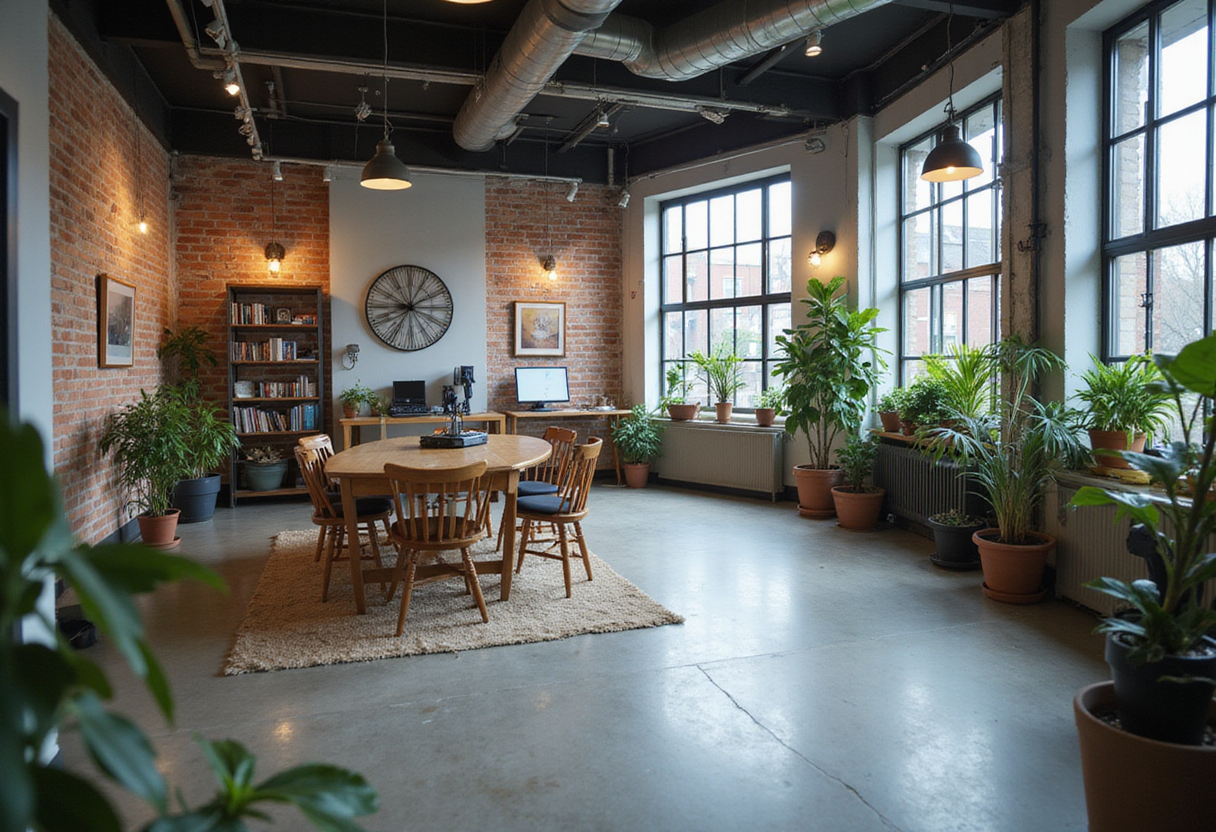
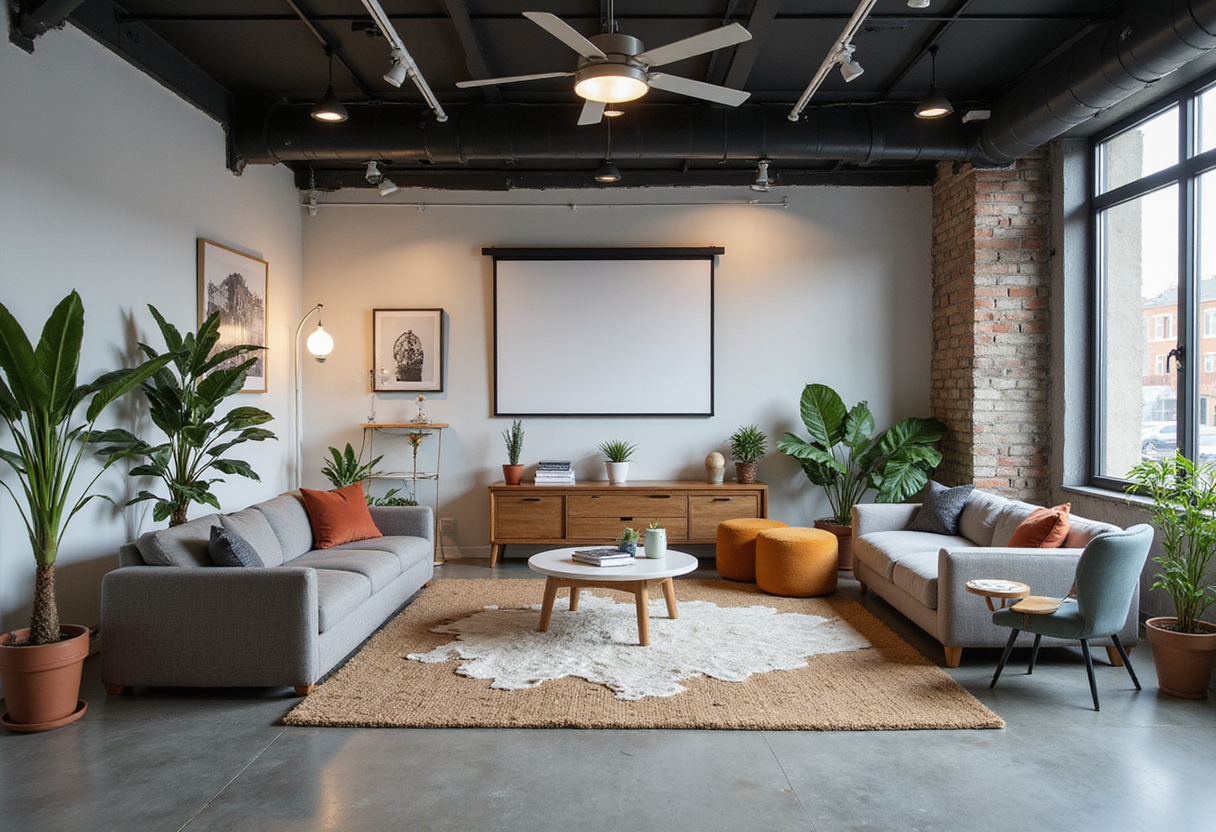
Landing Bakery Turns Salvage into Award-Winning Design
Five Mile Radius's Landing Bakery, a 200 m² Brisbane bayside venue built from salvaged and renewable materials, has won the 2026 Harry Marks Award for Sustainable Architecture.
- Section
- Green Building
- Author
- By Grace Kim
- Filed
- Length
- 3 min read
Key takeaways
- Landing Bakery covers 200 m² and was completed in 2024.
- The project won the 2026 Harry Marks Award for Sustainable Architecture.
- Five Mile Radius designed and fabricated the interior with Matthew Reynolds; Clare Kennedy was lead architect.
- Materials are local, salvaged, and renewable, sourced from suppliers including Breakfast Creek Boat Club and Finlaysons.
A 200-square-metre bakery on Brisbane's bayside has won the 2026 Harry Marks Award for Sustainable Architecture. Landing Bakery, designed and fabricated by Five Mile Radius in collaboration with Matthew Reynolds, proves that salvaged and renewable materials can carry a commercial hospitality venue.
Clare Kennedy led the project as lead architect. The Brisbane practice, which also acted as a manufacturer on the build, describes the result as "a warm, highly crafted hospitality interior" built from what it calls "an unlikely collection of local, salvaged and renewable materials." The award citation, per the architects' own text, recognizes how "an unconventional material palette can create a distinctive and commercially successful hospitality venue."
What does this change for sustainable hospitality design?
Quite a lot, if the jury's logic holds. The project doesn't treat sustainability as a constraint that gets managed behind the scenes. It puts reclaimed and renewable materials front and center, in a space where customers sit, eat, and form their impressions of the venue. The materials aren't hidden in the back-of-house structure. They define the room.
That matters commercially. The architects themselves point out that the venue succeeds not despite its material choices but partly because of them — the palette gives the bakery a distinct identity that a fit-out of standard hospitality finishes wouldn't deliver. Distinctiveness, in a crowded café market, is currency.
The project also collapses the usual distances between design, fabrication, and supply. Five Mile Radius appears twice in the project's manufacturing credits — as designer and as maker — alongside a mix of suppliers:
- Ambience Lighting — lighting
- Ampelite — skylighting and glazing products
- Breakfast Creek Boat Club — a supplier whose presence hints at the project's salvage network
- Finlaysons — joinery and materials
- Five Mile Radius — the practice's own fabrication output
A boat club on a manufacturer list is unusual. It suggests the kind of opportunistic sourcing that defines salvage-driven design: materials arrive from wherever they become available, and the design adapts to meet them. That's the inverse of conventional practice, where finishes get specified first and sourced new.
A local supply loop in practice
The word "local" does real work in the architects' description. Everything from the lighting to the timber moves through a short supply chain centered on Brisbane and its immediate region. That cuts transport emissions and keeps the project's material story legible to customers — a bayside bakery built, in part, from the bayside's own leftovers.
Matthew Reynolds's role as collaborator extends the project's network further. Landing Bakery is the product of a small team of makers rather than a conventional architect-contractor split, which helps explain the "highly crafted" quality the architects claim for the interior.
David Chatfield photographed the completed space. His images document a 2024 completion — meaning the building has now operated for roughly two years before receiving the 2026 award, giving the jury a track record of commercial performance to judge, not just a fresh render.
The Harry Marks Award for Sustainable Architecture, which the project received, sits among Australia's recognitions for buildings that push environmental practice forward. Landing Bakery won it without solar arrays or certifications leading the story. Instead, its argument is simpler and harder to dismiss: salvage, craft, and locality can produce a room people want to sit in — and a business that works. Expect more hospitality fit-outs to follow that logic.
Source: ArchDaily
More from Grace Kim
Show full bio
Staff writer covering money, funding and market shifts around construction industry, architecture, interior design at Built Current.
115 articles