Homes on Poisoned Ground: Who Pays to Clean the Factory Floor?
Factories close and demolition follows, but the soil keeps its industrial past. Cleanup costs quietly shape what housing gets built on former industrial land — and then vanish from view.
- Section
- Urbanism & Planning
- Author
- By Amara Osei
- Filed
- Length
- 2 min read
Key takeaways
- Industrial contamination can persist in soil long after factories close and sites are cleared for housing.
- Some former industrial sites require extensive ground intervention before residential construction can begin.
- Remediation cost can influence the development itself, not just site preparation.
- Most cleanup work disappears beneath completed buildings, leaving little visible trace of prior contamination.
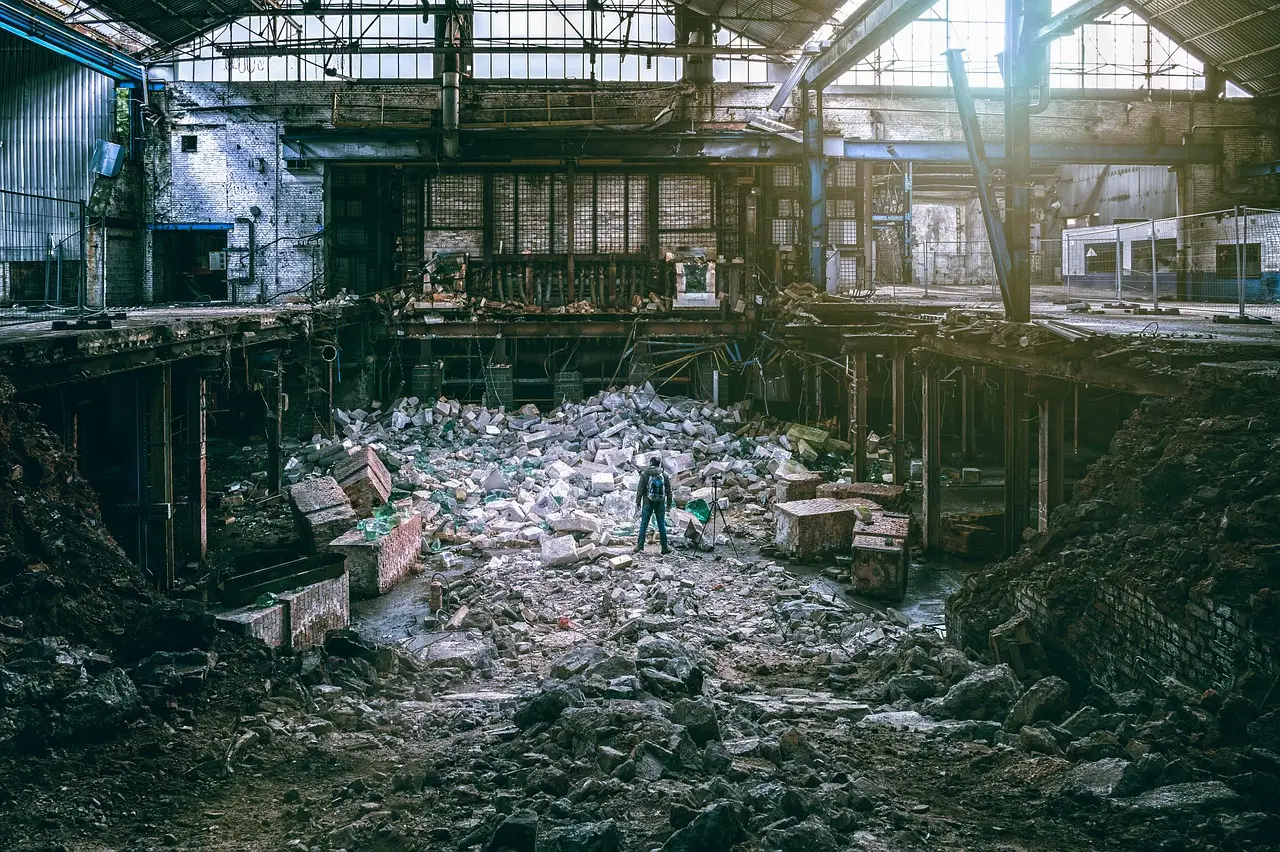
Factories close. Demolition crews clear the site. The soil, however, keeps the receipts.
That is the quiet premise behind a growing dilemma in residential development: industrial activity can end long before its effects disappear from the land. Former industrial districts gradually fold into new residential neighborhoods, while the ground beneath them may still contain traces of their previous use — sometimes requiring extensive intervention before a single foundation is poured.
The source text puts it plainly: "Much of this work eventually disappears beneath the completed buildings, leaving little indication of the site's previous condition." The contamination gets managed. The evidence gets buried twice.
How much ground can stay?
Redeveloping these sites raises what the piece frames as the central question: how much of the existing ground can remain, and what does it take to build housing above it?
Two variables govern the answer:
- The extent of contamination determines what must happen before construction begins.
- The cost of preparing the land can influence the development itself — not just its timeline, but its shape, density and economics.
In other words, the dirt does more than sit there. It negotiates. A heavily contaminated parcel demands remediation work that a clean field never would, and that cost ripples upward into decisions about what the project can afford to be.
The invisible ledger
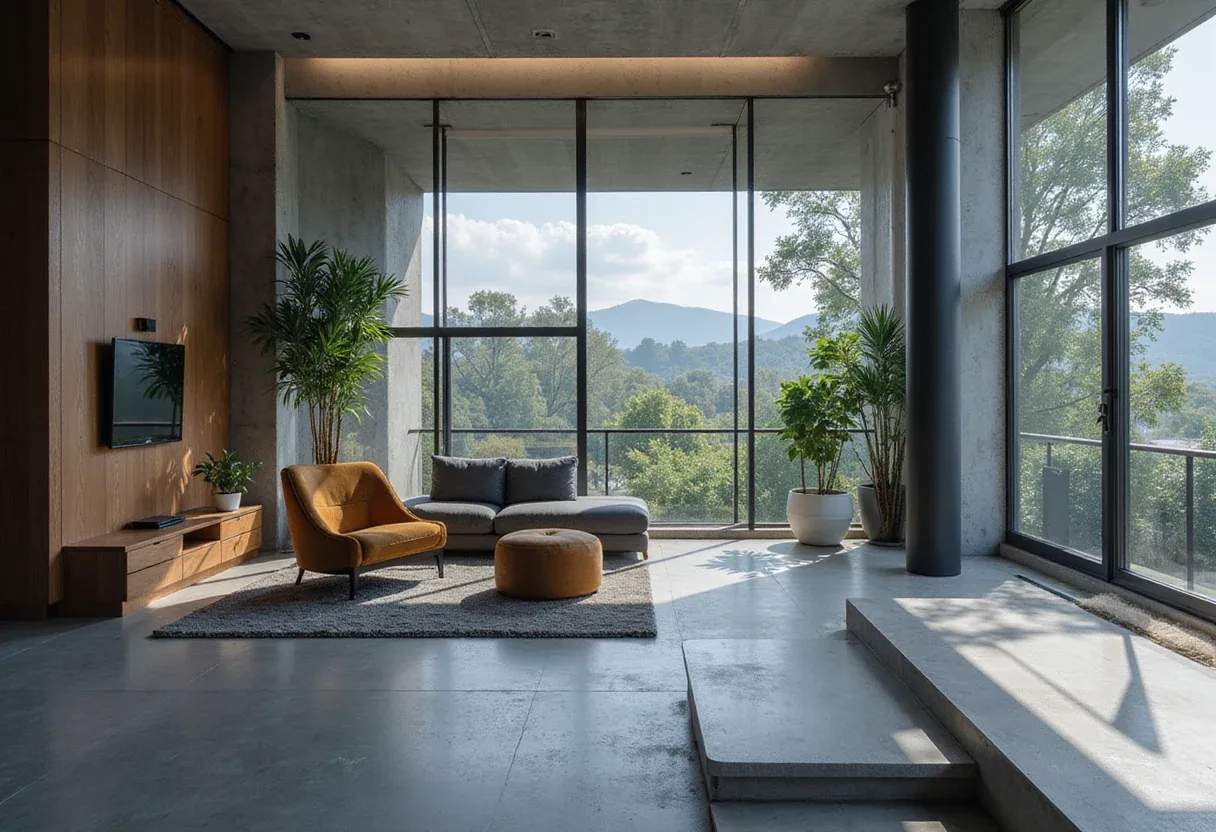
There's an irony worth naming. The most consequential work on these sites — the testing, the removal, the treatment — is the work nobody sees afterward. Buildings rise. Landscapers plant grass. The completed development presents itself as any other residential street.
The site's previous condition leaves, as the source notes, "little indication." Buyers get a finished product; the ground gets a sealed biography.
That erasure isn't necessarily a deception. It may simply be the deal: the land is made safe, the housing is built, and the industrial past becomes a line in a remediation report rather than a feature of the address. But it does mean the public's understanding of these places depends almost entirely on how rigorously the cleanup was done — and how honestly it was documented — since the finished project offers no visible testimony either way.
Why this matters now
The pressure is structural. Cities keep pushing housing onto land that industry abandoned, because that's where the available land is. Each conversion repeats the same sequence: assess, intervene, build, conceal.
The question the source leaves open — how much of the existing ground can remain — will keep deciding not just which sites become viable, but what kind of housing rises on them. The soil's history, priced and processed, ends up baked into the architecture above it.
The factories leave. The accounting stays.
By Amara Osei
Source: ArchDaily
More from Amara Osei
Show full bio
Market editor covering companies, deals and strategy in construction industry, architecture, interior design at Built Current.
175 articles