BIG's Refugee Cities Plan Starts With Six Plots and a Courtyard
BIG and to.org propose Refugee Future Cities for Bidi Bidi, Uganda: earth-brick housing, solar power, markets and a decades-long investment model.
- Section
- Urbanism & Planning
- Author
- By Priya Raman
- Filed
- Length
- 3 min read
Key takeaways
- BIG announced the Refugee Future Cities masterplan with to.org on October 29, 2026.
- The plan targets Bidi Bido in northern Uganda and remains in design.
- The base social unit is six family plots sharing a communal courtyard.
- Proposed materials include sun-dried earth brick, laterite stone, and bamboo.
- A single-family base prototype is planned at the Bidi Bidi Performing Arts Centre.
Six family plots around a shared courtyard form the smallest unit of a much larger city plan. That starting point anchors Refugee Future Cities, a masterplan by BIG (Bjarke Ingels Group) developed with to.org for the Bidi Bido settlement in northern Uganda. Announced on October 29, 2026, the project remains in design.
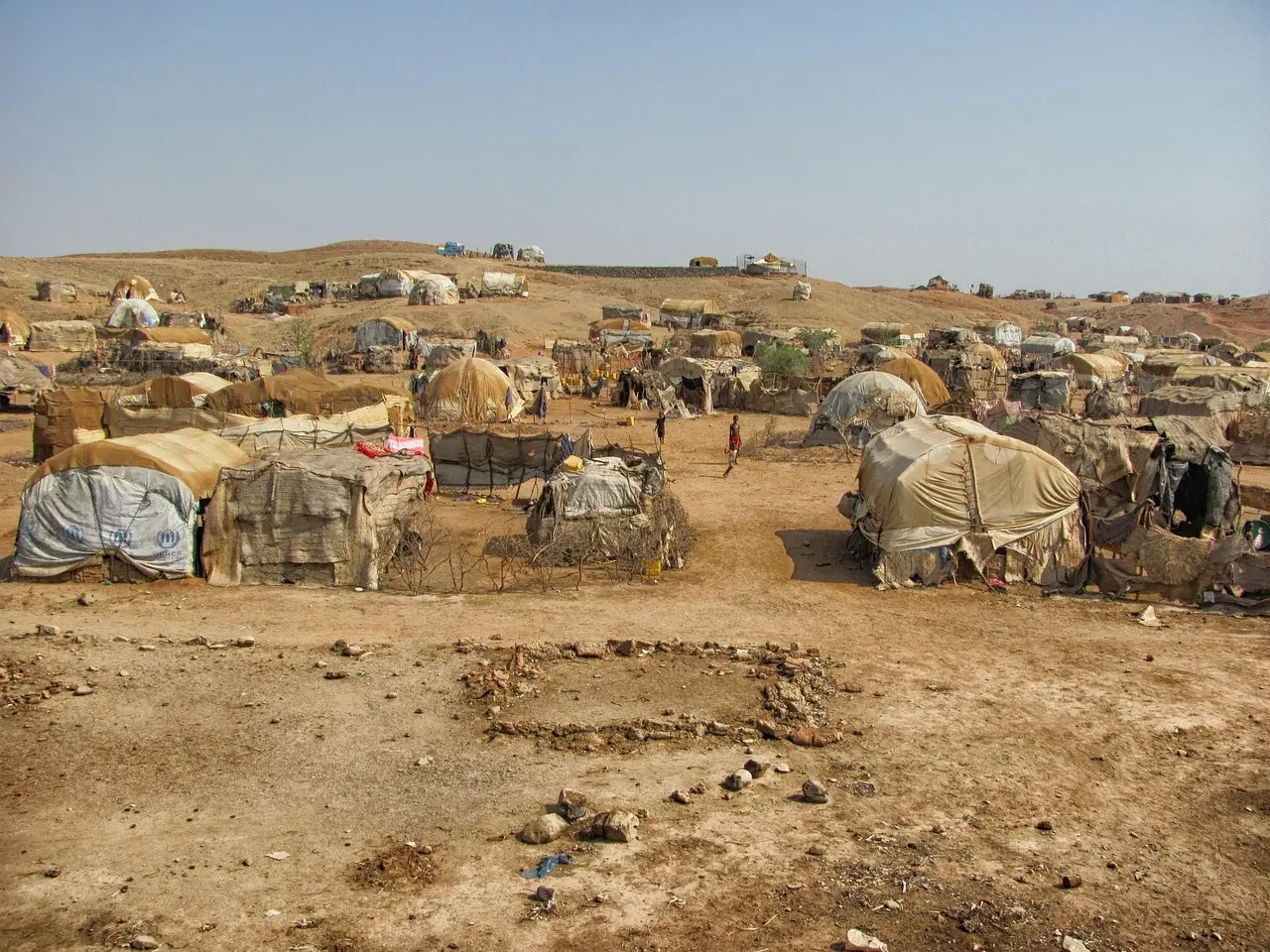
The initiative targets a specific mismatch. Emergency settlements often hold people for years, yet their housing and infrastructure weren't planned for the full lives unfolding there. The proposal takes a longer-term approach to housing, services, and employment.
How does the plan organize a settlement?
The design grows outward from family plots into compounds, clusters, and neighborhoods. Six plots meet around a communal courtyard, giving the larger settlement an intermediate social unit between private home and public street. A shared courtyard offers room for conversation or small-scale work without forcing every activity indoors.
BIG lists sun-dried earth brick, laterite stone, and bamboo among the proposed materials. The firm develops local housing types rather than importing an unfamiliar architectural language. The design also targets ventilation, weather protection, mosquito control, and solar power.
The renderings show rounded, earth-colored walls gathering around a large tree in one residential scene. Another image shows a market framed by branching structural supports and deep roof overhangs. The tree-centered courtyard reads as a deliberate statement: the gathering place carries as much compositional weight as the buildings around it.
What does the program include?
Beyond housing, the proposal lists:
- Food market
- Coworking space
- Technical workshops
- Training areas
- Health center
- Arts, recreation, and gardens
The infrastructure ambitions are substantial. BIG proposes a solar-powered industrial hub with local energy generation, water treatment, and waste processing. Combining those functions could make resource management part of the settlement's economic foundation. Open questions remain: who maintains the systems, how repairs are funded, and what happens when equipment needs replacing.
How would it be financed?
The initiative seeks institutional investment, with commercial activity intended to support returns over decades rather than depending entirely on short-term philanthropy. Its proposed "Opportunity Zones" would include manufacturing and agriculture. The wider model also depends on willing host governments, land commitments, regulatory arrangements, and legal work rights for refugees. Those are prerequisites, not benefits architecture can deliver alone.
Success shouldn't be judged by investment returns alone. The practical questions start with residents: Can they shape their neighborhoods? Are jobs fairly paid? Who decides when commercial priorities and community needs diverge? A place can look generous on a site plan while leaving those decisions unresolved.
What comes first on the ground?
The first planned physical step is a single-family base prototype at the Bidi Bidi Performing Arts Centre. Starting with one home makes sense if it gives residents a meaningful opportunity to test and influence what follows. The proposal's value will depend on whether that feedback reaches the larger plan. The courtyard is a promising beginning, provided the people who use it help decide what comes next.
Original: big.dk
More from Priya Raman
Show full bio
News editor covering people, launches and day-to-day practice in construction industry, architecture, interior design at Built Current.
202 articles