BIG's 'Refugee Cities' Wants to Turn Camps Into Investment-Backed Cities
BIG and to.org have launched 'Refugee Cities', a modular, investment-funded alternative to refugee camps, as the displaced population is projected to hit 1.2 billion by 2050.
- Section
- Urbanism & Planning
- Author
- By Elena Vasquez
- Filed
- Length
- 2 min read
Key takeaways
- The global refugee population is projected to reach 1.2 billion by 2050.
- BIG and to.org announced 'Refugee Cities' on 29 October as a decadal infrastructure project.
- The average stay in refugee camps is around two decades, according to Bjarke Ingels.
- The first prototype, a modular single-family base unit, will be built at the Bidi Bidi Performing Arts Centre in Uganda.
- The design follows ten principles, with family units clustering into neighbourhoods and districts.
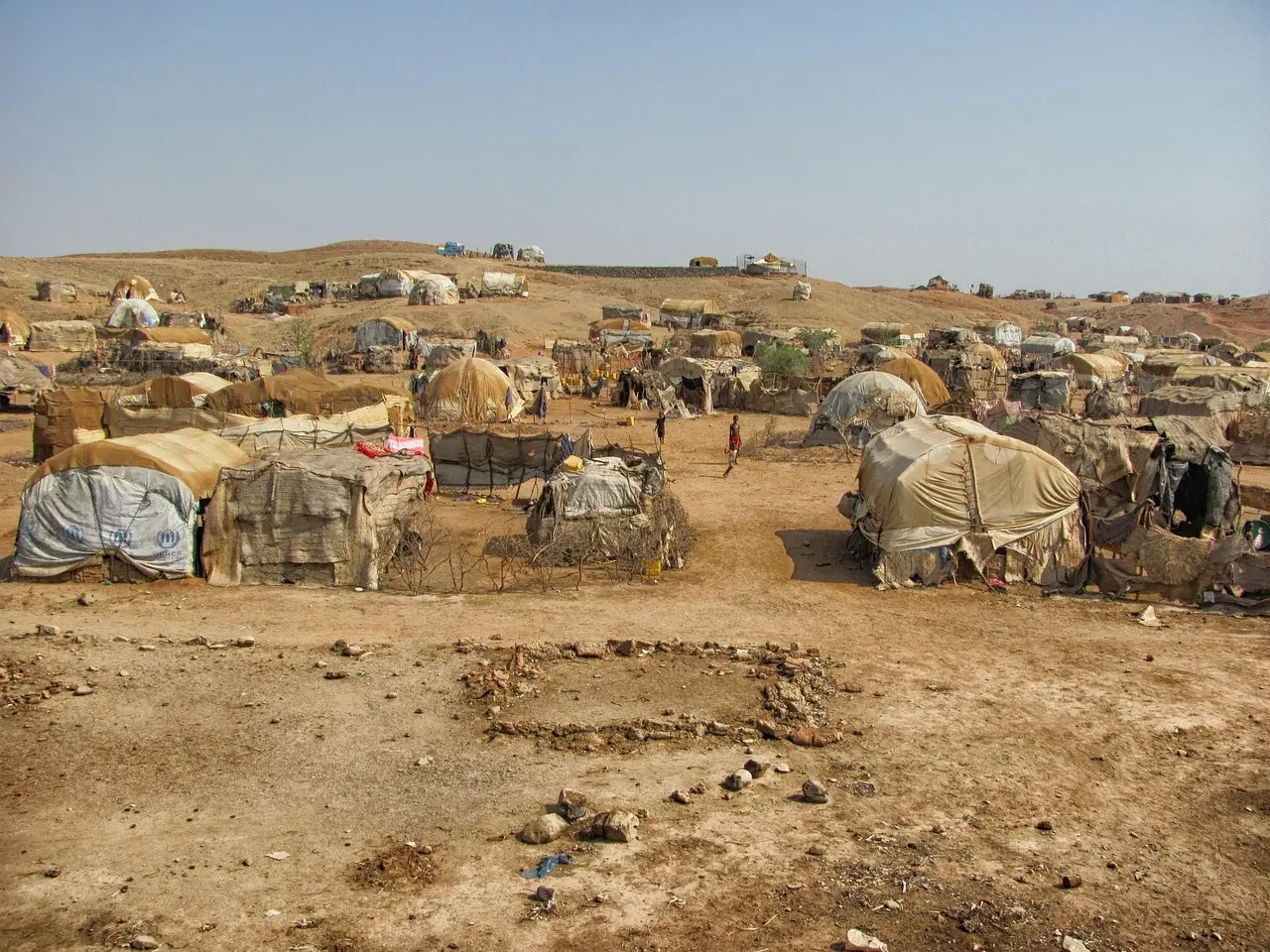
The global refugee population is projected to reach 1.2 billion by 2050, and BIG — Bjarke Ingels Group — thinks the answer is to stop building camps and start building cities. On 29 October, a coalition of architects, humanitarian leaders and financial strategists announced 'Refugee Cities', a decadal infrastructure project that trades finite philanthropy for institutional investment.
The New York-based architecture firm partnered with to.org, a platform that delivers infrastructure projects inside refugee settlements, including the Bidi Bidi Performing Arts Centre in Uganda. Together they want to redefine the economics of displacement: refugee settlements reimagined as urban economic hubs rather than waiting rooms.
'If the average stay in refugee camps is around two decades, then the term temporary cannot be said to suffice,' said Bjarke Ingels, founder and creative director of BIG. 'If we start thinking of cities rather than camps, then charity becomes investments into the future, and if companies can be incentivised to locate their production in refugee cities, then the refugees can be given economic opportunities that they currently long for. We have attempted to design a scalable, phaseable, modular blueprint for a new way to accommodate the global flow of refugees.'
Put plainly: the average refugee spends roughly 20 years — an entire childhood, or a working life's first half — in a settlement built for months. That's the gap the project targets.
How does the city actually work?
The design rests on ten principles, and the family unit is the foundation. Homes cluster into neighbourhoods, neighbourhoods grow into districts, and districts expand over time as demand shifts. At the core sits shared infrastructure: a food market, a co-working centre, an arts and crafts hall, a football field, technical workshops, a fitness rooftop, a healing garden, a health centre and training spaces.
The first building prototype already exists as a modular 'single-family base unit'. Phase one begins immediately: a prototype will be built at the Bidi Bidi Performing Arts Centre in Uganda, giving the project a physical test of its long-term durability.
Who pays for it?
Here's the structural shift. The financial model is built to acquire land and develop infrastructure that generates sustainable commercial returns over several decades. Buildings designated 'Opportunity Zones' will span manufacturing and agriculture, with the aim of attracting companies to locate production inside the settlements.
The model has a condition, though. It requires host-nation governments willing to grant regulatory flexibility and legal work rights to refugees. Without that legal framework, the investment logic collapses.
What happens next?
The project's success now hinges on two external commitments: host governments designating land and regulatory zones, and funders committing early-stage capital. The prototype at Bidi Bidi will show whether the modular system holds up in practice.
If the financing model works, 'Refugee Cities' could shift how the humanitarian sector budgets displacement — from short aid cycles measured in months to infrastructure returns measured in decades.
Original: google.com
More from Elena Vasquez
Show full bio
Senior reporter covering money, funding and market shifts around construction industry, architecture, interior design at Built Current.
208 articles