Barcelona's 1892 Sant Ignasi School Restored After Six-Year Effort
Aquidos restored the 1892 Joan Martorell-designed Sant Ignasi School in Barcelona, mapping 16,000 m² of façades and finishing the works at the end of 2024.
- Section
- Renovation & Retrofit
- Author
- By Elena Vasquez
- Filed
- Length
- 2 min read
Key takeaways
- Aquidos completed the 3,505 m² envelope restoration of Sant Ignasi School at the end of 2024.
- The school opened in 1892 to a design by architect Joan Martorell.
- Restoration works began in 2022, preceded by a survey of 16,000 m² of façades using laser scanning, photogrammetry and drones.
- Deterioration was first identified in 2018.
- Techniques included stainless steel helical bars and individual fixings for ceramic elements.
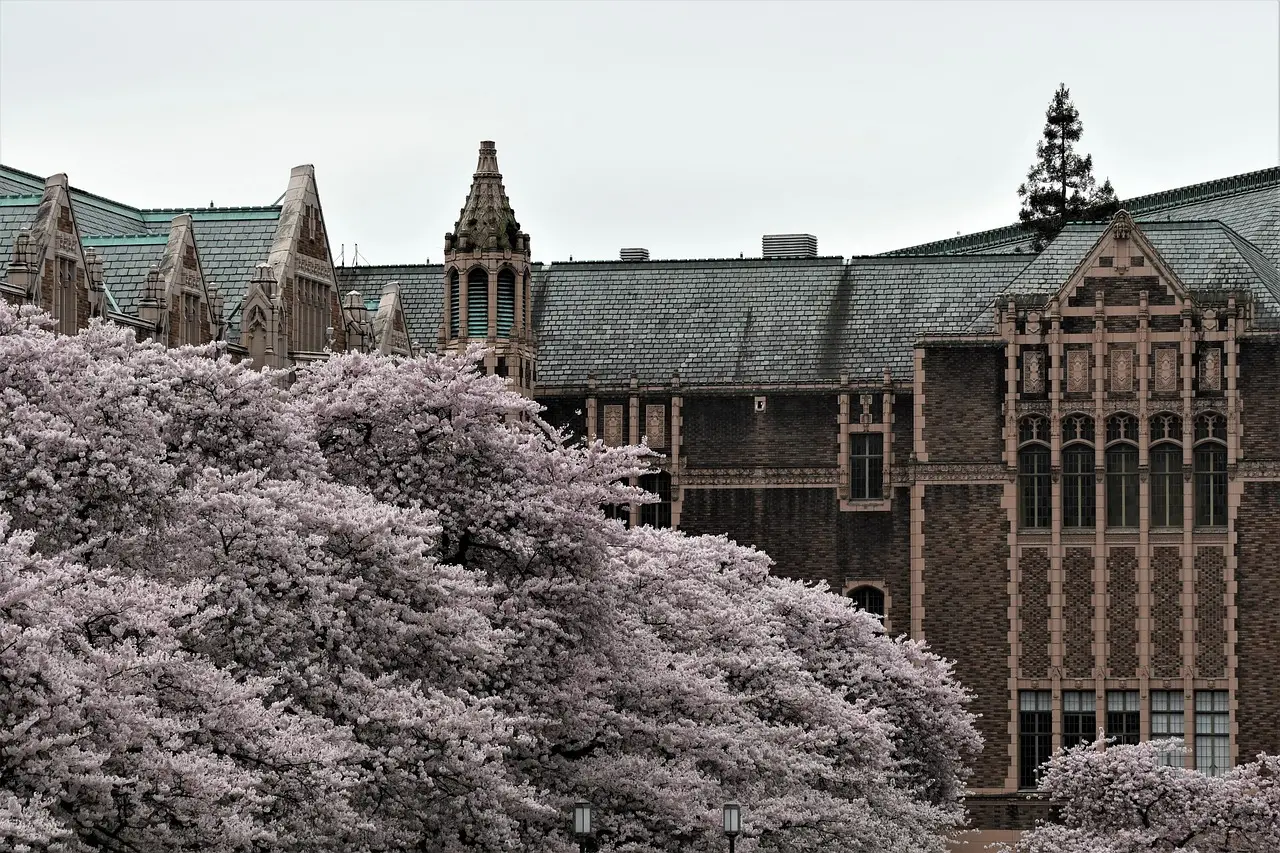
Aquidos has completed a 3,505-square-meter restoration of Barcelona's Sant Ignasi School, a building inaugurated in 1892 and designed by architect Joan Martorell, with the works closing at the end of 2024.
The project, led by architects Oriol Marin i Gordi, Carles Bárcena Roig, Aleix Jané Canals and Núria Garcia i Soto, targeted the school's entire envelope. The firm describes the building as an emblematic Barcelona landmark that has welcomed thousands of students since its foundation, with a symmetrical composition organized around a central axis defined by the garden and pond.
Why did the restoration happen?
In 2018, the school's team identified structural and material deterioration across the building envelope. That finding triggered a comprehensive restoration aimed at conservation, preservation of heritage values and improved physical condition. In other words, the project didn't come from a design ambition — it came from a diagnosis.
The intervention required a multidisciplinary team: specialists in artistic restoration, historic structures, material analysis and traditional construction techniques, all coordinating closely with the public authorities responsible for heritage conservation.
How did the team map 16,000 square meters of façade?
Before any work started, the team carried out a full architectural survey of the 16,000 square meters of façades — roughly four and a half times the building's listed intervention area. They used:
- Laser scanning
- Topographic surveying
- Photogrammetry
- Drones
That documentation, according to the architects, provided a detailed understanding of the building's condition and helped define the necessary interventions.
Construction began in 2022, starting with the two cloisters. The main façade and towers followed, then the remaining façades of the main building, the rear volume and the courtyards.
What techniques held the building together?
The restoration involved cleaning, repairing, consolidating and restoring four material families:
- Brickwork
- Artificial stone
- Natural stone
- Ornamental ceramic elements
The team adopted minimally invasive techniques, including stainless steel helical bars to reinforce and stabilize architectural elements, plus individual fixings to keep ceramic components safely anchored. The approach prioritized the fabric's integrity over wholesale replacement.
The architects identify one core difficulty: balancing heritage preservation with construction requirements, safety standards, project deadlines and a limited budget. Meeting that balance demanded tailored solutions, the recovery of traditional craftsmanship and the specialization of the construction teams — a skills investment that outlives this single project.
The completed work revitalizes the school's architectural and heritage value, according to the architects, securing long-term conservation and reinforcing its identity as a historic landmark serving the educational community. For a building that has taught Barcelona students since 1892, the restoration sets it up for its second century of use rather than relegating it to a museum piece.
Original: images.adsttc.com
More from Elena Vasquez
Show full bio
Senior reporter covering money, funding and market shifts around construction industry, architecture, interior design at Built Current.
229 articles