BALSA: A 60-Square-Metre Floating Service Hub for the Peruvian Amazon
CASA's 60 m² self-sufficient boat BALSA, led by Belen Desmaison and Kleber Espinoza, delivers labs and services to dispersed riverside communities in the Peruvian low jungle.
- Section
- Architecture
- Author
- By Amara Osei
- Filed
- Length
- 2 min read
Key takeaways
- BALSA is a 60 m² self-sufficient boat completed in 2025 by CASA [Ciudades Auto Sostenibles Amazónicas].
- Lead architects are Belen Desmaison and Kleber Espinoza; photography by Equipo BALSA.
- The project targets healthcare, education and identity registration for dispersed riverside communities in the Peruvian low jungle.
- The architects state the Amazon region concentrates some of Peru's lowest indicators for education, healthcare and development access.
A 60 m² boat is the Peruvian state's newest answer to healthcare, education and identity registration in the low jungle. BALSA — Self-Sufficient Boat for Laboratories and Services in the Amazon — launched in 2025 from the practice CASA [Ciudades Auto Sostenibles Amazónicas], designed by lead architects Belen Desmaison and Kleber Espinoza.
The premise is blunt. Amazonian living, as the architects' own text puts it, "is characterized by the geographical dispersion of its communities and high territorial mobility." Fixed buildings don't chase people. Boats do.
Why a boat instead of a building?
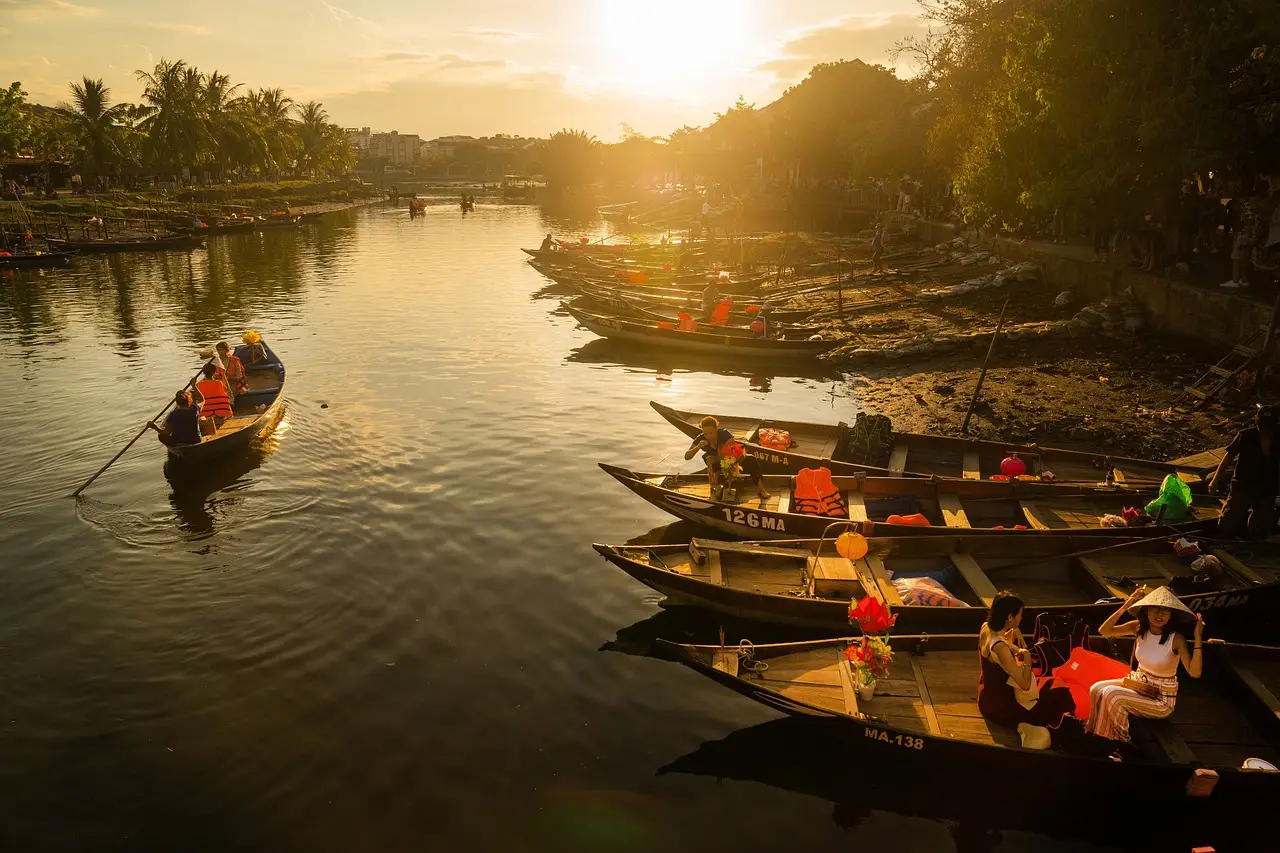
In the Peruvian low jungle, river transport is the main connection between riverside populations. The architects identify two barriers that make conventional service delivery fail there: long travel times and high costs, which make accessing basic services difficult. Add the arithmetic of settlement itself — many communities are simply too small for the state to justify permanent infrastructure for healthcare, education, identity registration and other essentials.
The result, per the project's text, is stark: "the Amazon region concentrates some of the lowest indicators in the country regarding access to education, healthcare services, and development opportunities."
BALSA's answer is mobility. Sixty square metres of self-sufficient program — laboratories and services, per its name — that arrives, works and moves on. It's infrastructure as itinerary rather than address. A clinic you can park.
Who built it and when
The project completed in 2025 under CASA [Ciudades Auto Sostenibles Amazónicas], a practice whose name translates roughly as Self-Sustaining Amazonian Cities — a mission statement worn openly. Belen Desmaison and Kleber Ponte... rather, Belen Desmaison and Kleber Espinoza lead the design. Photography comes from Equipo BALSA, the project's own team.
The name itself carries weight. BALSA is Spanish for raft — the lightest, oldest rivercraft in the Amazon toolkit. The word choice signals the design's ambition: minimal means, maximum reach.
What the numbers say
- 60 m² of floor area on a movable platform
- 2025 completion year
- Two lead architects: Belen Desmaison and Kleber Espinoza
- Services targeted: laboratories, healthcare, education, identity registration
Why it matters
The logic here extends past one hull. If dispersion and small settlement size defeat permanent infrastructure across the Peruvian Amazon — a region already posting some of the country's worst access indicators — then the delivery mechanism matters as much as the service itself. BALSA tests a model where the state stops waiting for communities to become large enough for a building, and sends the building downriver instead. Whether a single 60 m² vessel can bend those indicators is the question the next few flood seasons will answer.
Source: ArchDaily
More from Amara Osei
Show full bio
Market editor covering companies, deals and strategy in construction industry, architecture, interior design at Built Current.
354 articles