Alcazar Energy Lands $436M Debt Deal for 500 MW of Egyptian Wind
Alcazar Energy secured $436 million in debt for two 250 MW wind farms in Egypt, while New York awarded $13 million for storage and Bhutan eyed a $2 billion renewables framework.
- Section
- Green Building
- Author
- By Elena Vasquez
- Filed
- Length
- 2 min read
Key takeaways
- Alcazar Energy secured $436 million in debt financing for two 250 MW wind farms at Ras Ghareb, Egypt, within a $626 million total investment.
- The Egyptian wind farms will generate more than 2.3 TWh annually and begin operating by the end of 2028.
- New York State awarded nearly $13 million to 15 advanced battery and long-duration storage projects.
- Druk Green and EGAT International signed a November 9 agreement to explore up to $2 billion in hydropower and solar investments in Bhutan.
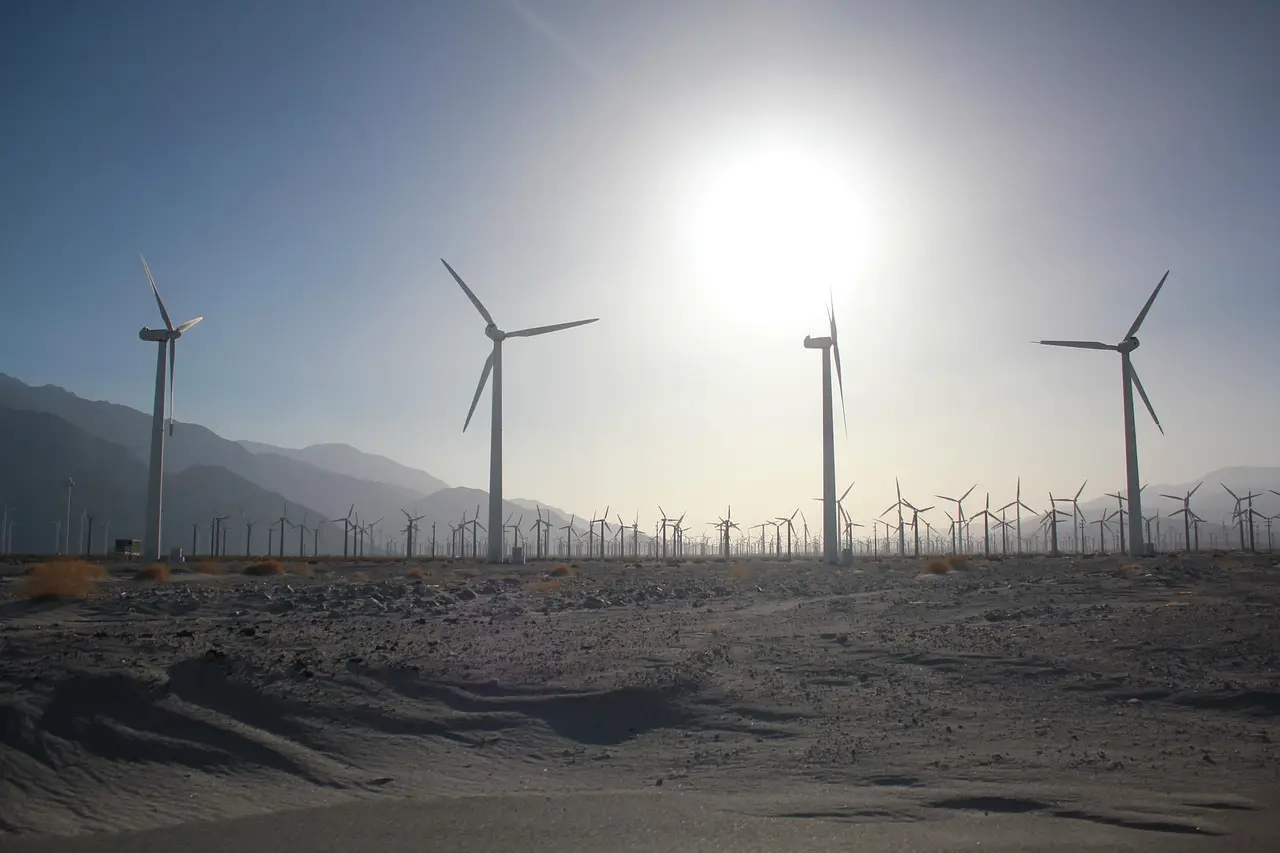
Alcazar Energy Partners has secured $436 million in debt financing for two wind farms at Ras Ghareb on Egypt's Red Sea coast, part of a total investment of $626 million. That's the largest single deal in this week's renewables news, which also includes nearly $13 million in New York storage grants and a $2 billion investment framework in Bhutan.
What does the Egypt deal actually involve?
The Niat and Rasgha projects will each deliver 250 MW, taking combined capacity to 500 MW. Three lenders are splitting the debt equally: the European Bank for Reconstruction and Development, the European Investment Bank, and Germany's DEG each provide one-third of the $436 million.
The supply chain is set. Siemens Gamesa will supply and maintain the turbines. Orascom Construction will handle civil and electrical works.
Egyptian Electricity Transmission Company will buy the electricity under 25-year agreements at roughly 3 cents per kWh. The projects are expected to generate more than 2.3 TWh annually — enough to power millions of households — and begin operating by the end of 2028.
What is New York funding?
The New York State Energy Research and Development Authority has awarded nearly $13 million to 15 advanced energy storage projects under its Power Generation and Storage Innovation programme.
The programme backs product development and demonstration projects involving advanced battery technologies and long-duration electricity storage. Selected technologies include systems designed to discharge electricity for more than 10 hours at rated power — far beyond what a typical four-hour lithium-ion installation can do.
The money covers 15 separate projects rather than a single utility-scale installation. The focus is on developing and demonstrating storage technologies, including alternatives to conventional lithium-ion battery systems.
What did Druk Green and EGAT International agree?
Bhutan's state-owned Druk Green Power Corporation and Thailand's EGAT International signed an agreement on November 9 to explore investments of up to $2 billion in hydropower and solar energy projects in Bhutan.
The agreement establishes a framework for the two companies to assess renewable-energy investment opportunities. It's a study-and-assess deal at this stage, not a committed capital outlay.
Druk Green is Bhutan's principal state-owned electricity generation company. EGAT International handles overseas electricity investments for Thailand's power sector.
Why these three stories travel together
They share a mechanism: public or development finance unlocking private renewables at different scales. In Egypt, multilateral debt covers roughly 70% of a $626 million wind build. In New York, state grants seed storage technology that hasn't reached utility scale. In Bhutan, two state utilities are mapping out whether a $2 billion hydro-solar portfolio makes sense.
The Egypt deal sets the pace: turbines at Ras Ghareb are due to spin by the end of 2028, and the Bhutan framework will show within months whether assessment talk converts into capital.
Source: greentechlead.com
More from Elena Vasquez
Show full bio
Senior reporter covering money, funding and market shifts around construction industry, architecture, interior design at Built Current.
354 articles