RWE and KKR Close £12 Billion Deal for 2.8 GW UK Offshore Wind
RWE and KKR complete a £12 billion joint venture for the 2.8 GW Vanguard offshore wind projects, backed by the largest non-recourse financing in UK offshore wind history.
- Section
- Green Building
- Author
- By Grace Kim
- Filed
- Length
- 3 min read
Key takeaways
- RWE and KKR completed a £12 billion joint venture on November 11, 2026 for 2.8 GW of UK offshore wind capacity.
- The £12.8 billion financing package from 35 banks is the largest non-recourse project financing for UK offshore wind.
- Vanguard West and Vanguard East, each 1.4 GW, will power the equivalent of three million UK homes by 2030.
- Both projects hold 20-year CfDs at a strike price of £91.20 per MWh (2024 prices).
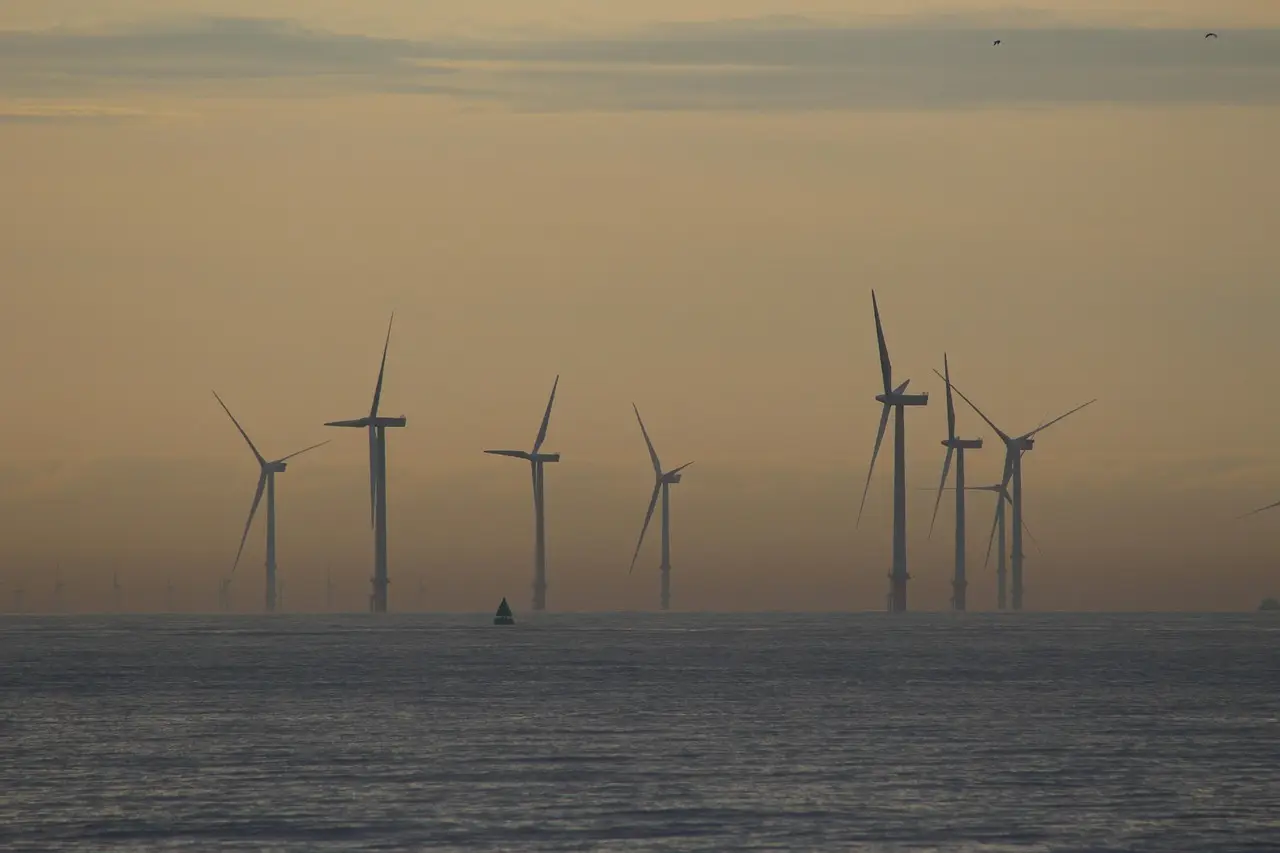
- Offshore construction begins in early 2027, roughly 50–80 km off the Norfolk coast.
RWE and KKR have closed a £12 billion investment and financing agreement to build 2.8 gigawatts of offshore wind capacity in the British North Sea — a deal the companies call the largest non-recourse project financing ever arranged for UK offshore wind.
The joint venture, announced November 11, 2026, covers the Vanguard West and Vanguard East wind farms. Each project will deliver 1.4 GW of generation capacity, and together they'll produce enough electricity to supply the equivalent annual consumption of roughly three million UK homes. Both farms are scheduled for full commissioning in 2030.
KKR has taken a 50 percent equity stake in each project, establishing a 50:50 partnership with RWE. The transaction builds on a strategic partnership announced in January 2026, when RWE secured Contracts for Difference for its UK offshore wind portfolio.
The division of labor is straightforward. RWE will lead project development, construction and delivery, drawing on its offshore wind operating experience. KKR will provide long-term infrastructure capital and financing expertise, funding its stake through capital accounts advised by the firm.
RWE CEO Markus Krebber said the partnership strengthens the company's ability to deliver major offshore wind infrastructure while demonstrating international investor confidence in the UK renewable energy market. The deal also fits RWE's broader strategy of expanding renewables through partnerships that share development costs and financial risks.
How is £12.8 billion in financing structured?
The numbers deserve a closer look. RWE and KKR secured £11.1 billion in cash facilities and £1.7 billion in ancillary facilities from a consortium of 35 international banks — a combined £12.8 billion package.
The financing includes a £1 billion commitment from the UK's National Wealth Fund, plus credit support from Germany's Euler Hermes and Denmark's EIFO. For the National Wealth Fund and Euler Hermes, this marks their first involvement in a UK offshore wind project financing of this kind.
One clarification matters here: the £12.8 billion in facilities isn't extra spending on top of the £12 billion investment. That investment estimate covers development, construction and transmission infrastructure, while the financing package supports it.
Non-recourse financing means lenders rely primarily on project assets and future cash flows for repayment, rather than full corporate guarantees from the sponsors. That structure lets RWE and KKR build large renewable assets while allocating financial risk at the project level.
What secures the revenue?
Both projects hold 20-year inflation-indexed Contracts for Difference awarded under the UK's Allocation Round 7 auction, at a strike price of £91.20 per megawatt-hour in 2024 prices. The CfD framework stabilises the price received for eligible generation against a contractual reference price, and it's administered by the UK's Low Carbon Contracts Company.
This revenue certainty is central to the UK's offshore wind strategy — it's what makes capital-intensive projects bankable.
When does construction start?
The wind farms will rise roughly 50 to 80 kilometres off the Norfolk coast in East Anglia. Onshore work is already underway, including cable installation and substation construction. Offshore construction begins in early 2027, with the first foundation at Vanguard West planned for the first half of that year. Vanguard East follows, and both projects should reach full commissioning in 2030.
The developments will use coordinated grid infrastructure to reduce environmental impacts and disruption to local communities.
UK Energy Secretary Miatta Fahnbulleh highlighted offshore wind investment's role in supporting industrial development, employment and domestic clean electricity generation. Vincent Policard, KKR's Co-Head of European Infrastructure, said the projects' scale demonstrates how private capital can support critical energy infrastructure.
The investment backs the UK's Clean Power 2030 Action Plan, which identifies offshore wind as a major component of the country's future electricity mix. With financial close secured and construction accelerating from 2027, the Vanguard projects now stand as one of the largest single commitments of international capital to Britain's renewable infrastructure — and a test case for whether private-equity-backed consortia can deliver the UK's 2030 clean power targets on schedule.
Source: greentechlead.com
More from Grace Kim
Show full bio
Staff writer covering money, funding and market shifts around construction industry, architecture, interior design at Built Current.
324 articles