Zaha Hadid Foundation Reopens Her London Home on Her Birthday
Ten years after her death, the Zaha Hadid Foundation reopens 10 Bowling Green Lane on 3 November 2026 with exhibitions, a 40-speaker symposium and a new identity.
- Section
- Architecture
- Author
- By Grace Kim
- Filed
- Length
- 3 min read
Key takeaways
- The Zaha Hadid Foundation's hub at 10 Bowling Green Lane opens to the public on 3 November 2026.
- A two-day symposium, '89° of Zaha Hadid', runs 30–31 October 2026 with some 40 speakers.
- Zaha Hadid died in 2016 at 65; 2026 would have marked her 76th birthday.
- Studio KA refurbished the Victorian building that housed Hadid's office for 30 years.
- Three opening shows cover stage design, an archive-inspired commission and a data-visualisation timeline.
Zaha Hadid's former London headquarters reopens to the public on 3 November 2026, ten years after the architect's death and in the year that would have marked her 76th birthday. The Zaha Hadid Foundation, which she set up in 2013, is marking the anniversary with exhibitions, a two-day symposium and a complete refresh of its identity.
Hadid died in Miami in spring 2016 at 65, after a short illness. Her absence, the foundation says, was felt for years — which is why a decade later the celebration feels, in its words, both fitting and necessary.
What's inside the new hub?
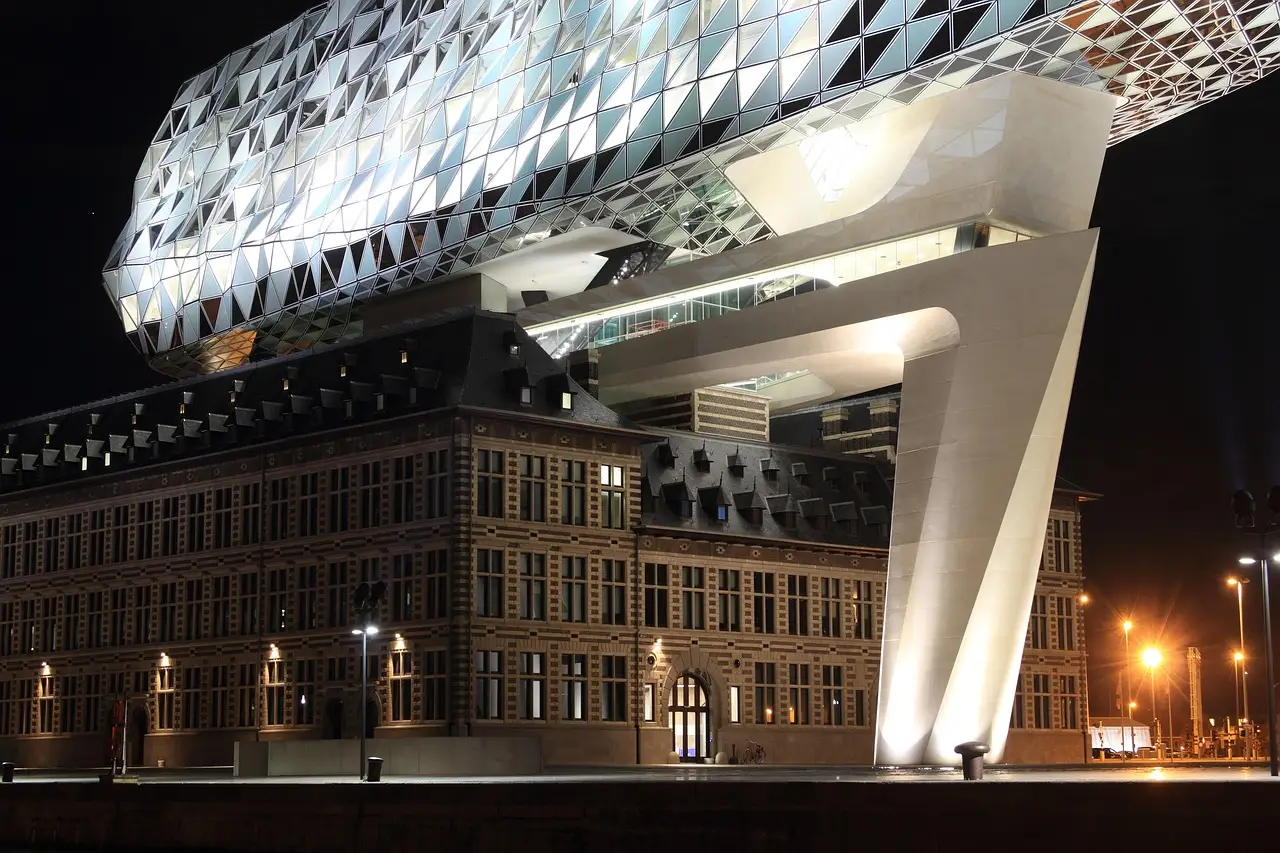
The Victorian brick schoolhouse at 10 Bowling Green Lane in Clerkenwell housed Hadid's office for 30 years, until ZHA relocated in 2021. London-based Studio KA has refurbished the building into a hub of architectural showcases and debate. It soft-launched with a preview on 29 October 2026.
The space includes:
- galleries and a collection display
- a learning space
- a lecture hall
- future areas for exhibitions, talks, workshops and creative residencies
The building remains home to Zaha Hadid Design, and it will feature furniture and objects designed by Zaha and her studio. Surfaces have been updated, while original features such as a fireplace and doorways have been restored.
Three opening showcases
The reopening programme spans the breadth of Hadid's work:
- 'Zaha Hadid: Architecture of Performance' — the foundation's first collection-based exhibition of stage and set designs, curated by Catherine Howe with Libby Sellers as guest curator.
- 'The Rebar Beneath' — a commission by artist LionHeart, inspired by the archive, combining film, poetry, performance and spatial installation.
- 'The Completely Exhausting Inexhaustibility of Zaha Hadid' — a commission by Pulitzer Prize-winning illustrator Mona Chalabi, offering a 'playful approach to data visualisation' through a timeline of the architect's influence.
What does the symposium cover?
A two-day symposium, '89° of Zaha Hadid', runs on 30 and 31 October 2026 — the latter being Zaha's birthday. The Architectural Association and the Serpentine organise it alongside the foundation, with events spread across all three London venues.
Some 40 speakers are lined up, including architectural photographer Hélène Binet, architects Nigel Coates, Sir Peter Cook and Rem Koolhaas, Vitra's chairman emeritus Rolf Fehlbaum, Walbrook owner and chair Hayat Palumbo, and artist and OMA co-founder Madelon Vriesendorp. Topics range from Hadid's early life in Baghdad and her studies to her career, influence and vision for the future.
Foundation director Aric Chen described Hadid's forward-thinking attitude during a tour of the archives: 'Zaha was immersed in the present – she didn't think she was futuristic. She was about invention and imagination, re-envisioning spatiality and the ways we live and operate in the here and now.'
A new visual identity
The foundation is also getting a fresh look. London agency Made by ON redesigned its website, and Amsterdam-based studio Experimental Jetset crafted a new identity built on a dynamic system the studio calls a 'visual language'.
Rather than a logo, the identity centres on a 'flexible typographic system, perpetually mutated by a distorting grid, that evolves and transforms across the foundation's programmes and communications,' the ZHF explains.
Rana Hadid, chair of the foundation's trustees, framed the moment in terms of the architect's own wishes: 'It was Zaha's wish for the foundation to preserve her legacy while carrying her ideas forward: advancing education, supporting future generations and contributing to the wider field of architecture.'
'At the heart of that mission is her extraordinary archive, a profound record of her work, imagination and intellectual life,' she said. 'This next step will allow us to safeguard that archive, open it to wider audiences, and create new opportunities for learning, scholarship and creative discovery, ensuring that Zaha's ideas continue to inspire generations to come.'
With the Clerkenwell hub opening its doors and the archive positioned at the centre of the foundation's mission, Hadid's ideas now have a permanent — and public — home in the city where she built her practice.
Original: google.com
More from Grace Kim
Show full bio
Staff writer covering money, funding and market shifts around construction industry, architecture, interior design at Built Current.
181 articles