Wim Wenders' Fourteen-Year Zumthor Documentary Arrives
Wim Wenders' 14-year documentary 'From Inside Out – The Architecture of Peter Zumthor' arrives in 2026, tracing four decades of work — from a 1985 chapel in Sumvitg to the new David Geffen Galleries at LACMA.
- Section
- Architecture
- Author
- By Grace Kim
- Filed
- Length
- 3 min read
Key takeaways
- Wim Wenders spent fourteen years producing 'From Inside Out – The Architecture of Peter Zumthor,' released in 2026
- Wenders is a four-time Academy Award nominee whose previous films include 'Paris, Texas' (1984) and 'Buena Vista Social Club' (1999)
- The documentary traces Zumthor's career from the 1985–1988 St. Benedict's Chapel in Sumvitg to the 2008–2026 David Geffen Galleries at LACMA
- Four major museums appear: Bregenz Art Museum (1989–1997), Kolumba in Cologne (1997–2007), LACMA's David Geffen Galleries (2008–2026), and the Wyss Museum at Fondation Beyeler (2016–2026)
- Peter Zumthor was born in Basel and still practices from his atelier in Haldenstein, Switzerland
Filmmaker Wim Wenders spent fourteen years on From Inside Out – The Architecture of Peter Zumthor, a documentary that traces four decades of the Swiss architect's built work. The 2026 film moves from a 1985 chapel in the Swiss Alps to the David Geffen Galleries at LACMA, which just opened in Los Angeles.
Wenders, a four-time Academy Award nominee behind Paris, Texas (1984) and Buena Vista Social Club (1999), first filmed Zumthor in 2012. That shorter project, Notes from a Day in the Life of an Architect, sparked the longer exploration. Zumthor, born in Basel, still practices from his atelier in Haldenstein, Switzerland. Wenders follows the work through the eyes of visitors, inhabitants, and craftspeople.
How does the film frame Zumthor's early career?
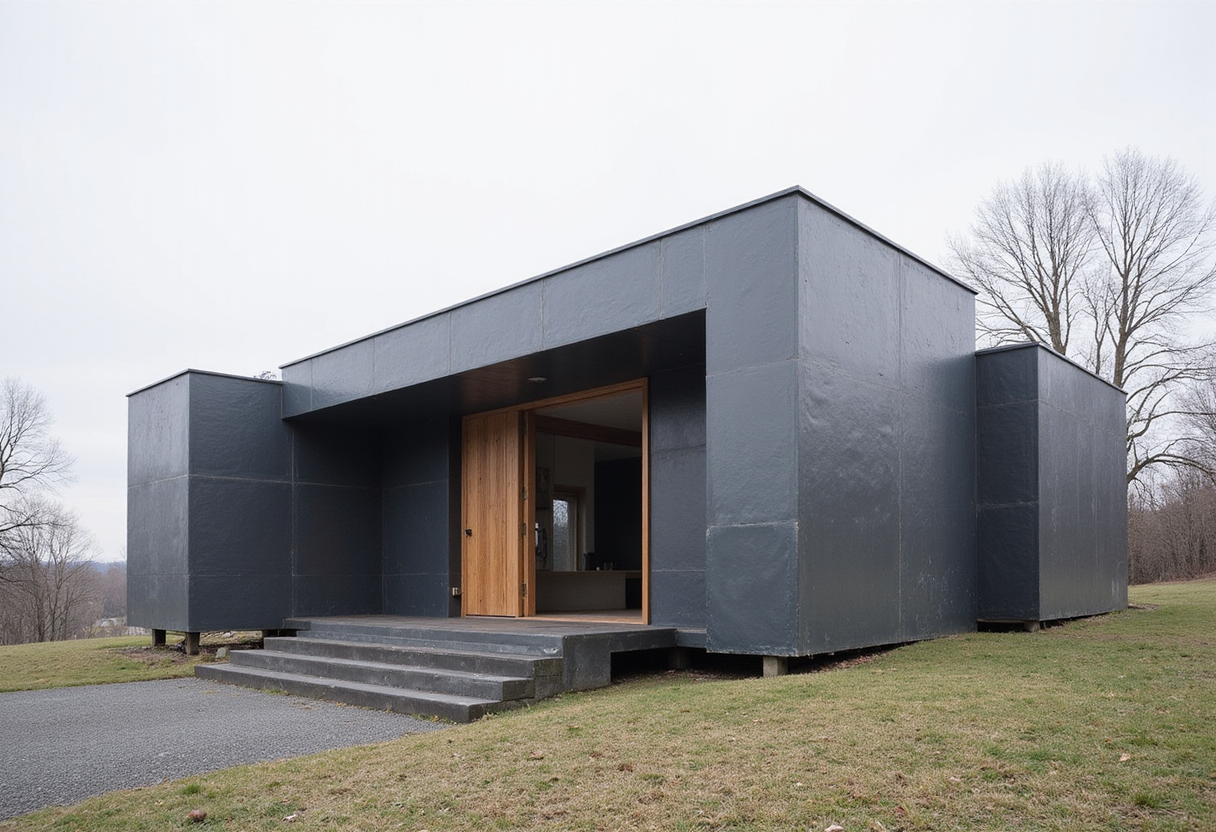
The documentary opens on St. Benedict's Chapel, a 1985–1988 building perched on a hill in Sumvitg. It then moves through the early Swiss works: the 1985–1986 Shelter for Roman Archaeological Ruins in Chur and the 1990–1994 Gugalun House in Versam, both built with wooden beams and slabs of Vals quartzite. "We're all coming from houses," Zumthor once remarked — a line Wenders uses to anchor the intimate scale of these projects.
Wenders calls the film a sensory primer, not a lecture. "This film is not trying to teach you anything," he says. "Instead, it offers you a sensual experience that will allow you to simply take in a few basic things about architecture. Your guide in this adventure of discovery is Peter Zumthor, one of the great living architects of our time."
What about Zumthor's chapels?
Two religious buildings anchor this section. St. Benedict's Chapel in Sumvitg leads into the more austere Bruder Klaus Field Chapel in Wachendorf, Germany (2001–2007). Wenders places both inside the long tradition of pilgrimage architecture, alongside Le Corbusier's Notre-Dame du Haut and Tadao Ando's Church of the Light.
Which museums make the cut?
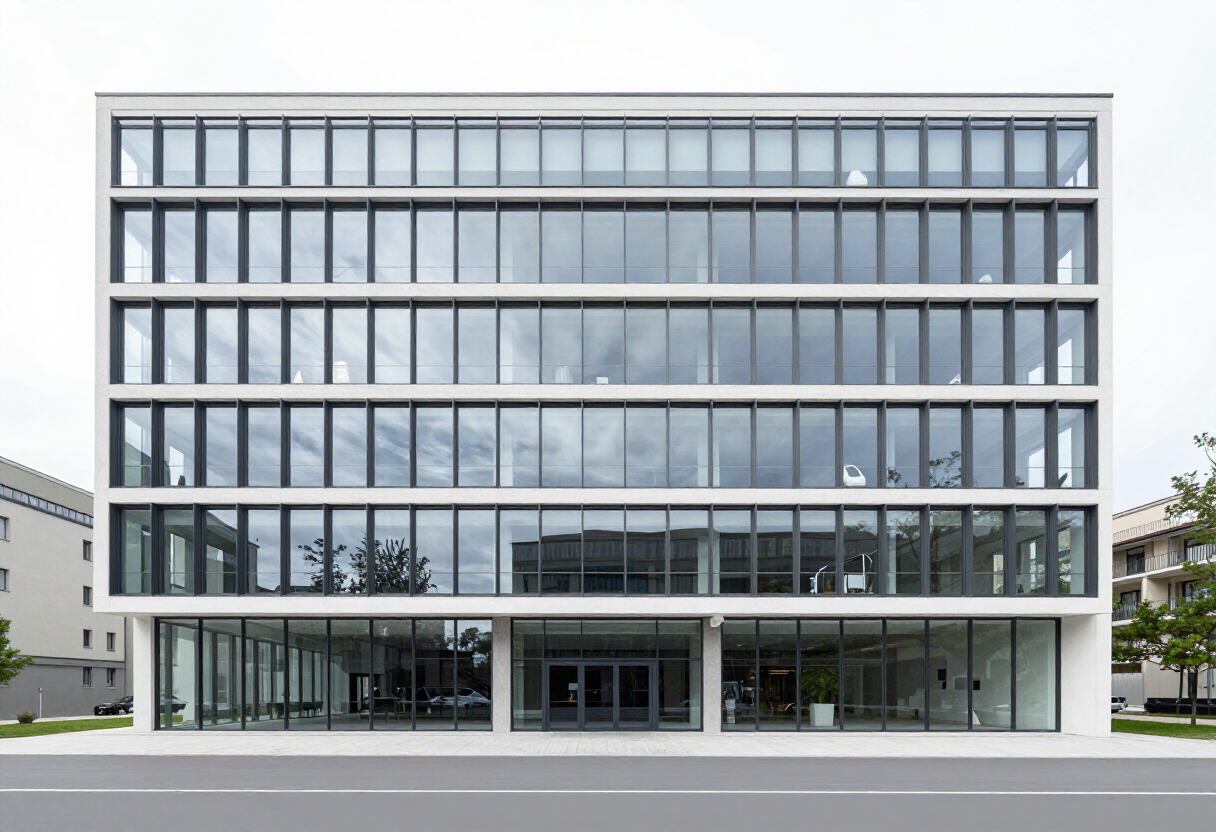
Four cultural projects carry the second half of the film. The Bregenz Art Museum in Austria (1989–1997), a glass-and-steel box that floats above Lake Constance, gets a long look. Zumthor has described it: "Seen from the outside, the building resembles a filament. It absorbs the changing light of the sky, the misty light of the lake, emanates light and color and, depending on the angle of view, the time of day, and the weather, permits something of an insight into its own inner life."
The 1997–2007 Kolumba Art Museum in Cologne wraps new construction around the ruins of a church. The 2008–2026 David Geffen Galleries at LACMA, completed in 2026 after nearly two decades of planning, gets the longest treatment — a sweeping, curving roofline that has reshaped the museum's footprint along Wilshire Boulevard. The 2016–2026 Wyss Museum, a new addition to the Fondation Beyeler in Riehen, Switzerland, closes the film.
The Steilneset Memorial to the Victims of the Witch Trials in Vardø, Norway, also appears, marking Zumthor's only public memorial in the documentary.
What does this change for Zumthor's audience?
For an architect who avoids press, a fourteen-year film by a director of Wenders' reach is its own form of unveiling. The documentary won't teach architects anything new about Zumthor's methods, but it gives general viewers a way into buildings that rarely photograph well. With both LACMA and the Fondation Beyeler's Wyss Museum completing in 2026, the film's release lands at the moment Zumthor's public profile is, for once, expanding.
By Grace Kim
Original: roadmovies.com
More from Grace Kim
Show full bio
Staff writer covering money, funding and market shifts around construction industry, architecture, interior design at Built Current.
115 articles