SHISUO Design Office Cuts a 20-Square-Metre Moon for Shanghai
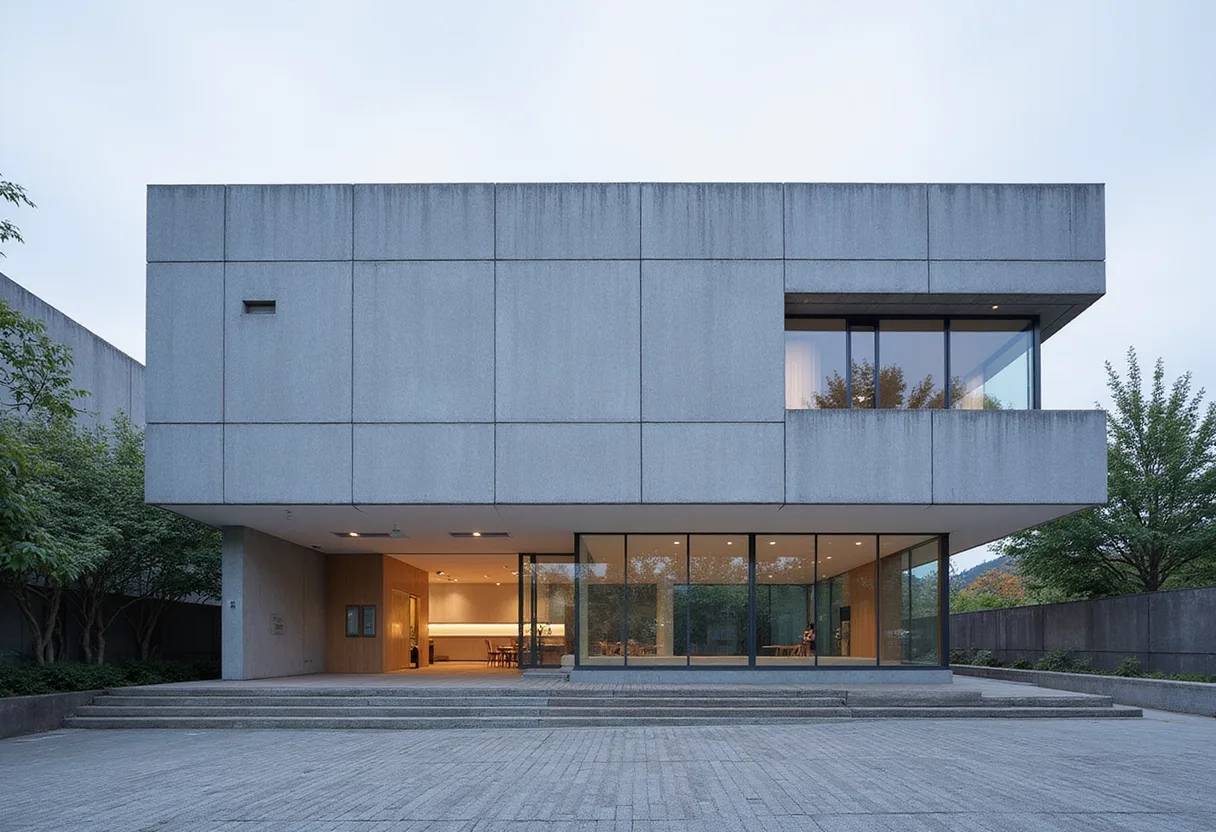
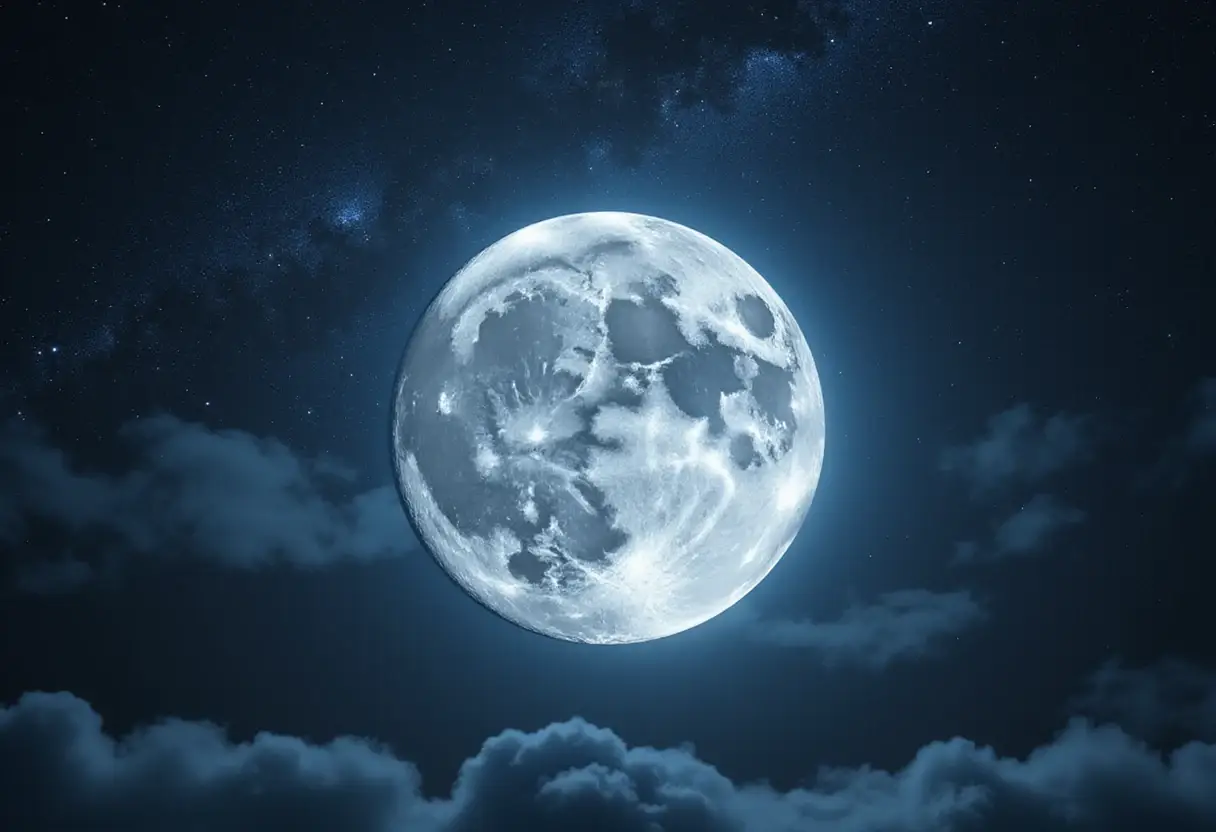
SHISUO Design Office built "The Full Moon," a 20 m² Mid-Autumn installation at Shanghai's Power Station of Art, with paper-cutting inheritor Shi Qinling.
- Section
- Landscape & Public Space
- Author
- By Grace Kim
- Filed
- Length
- 2 min read
Key takeaways
- SHISUO Design Office completed "The Full Moon," a 20 m² urban public art installation, in 2025.
- The Power Station of Art (PSA) in Shanghai invited the firm to create the work for the Mid-Autumn Festival.
- Shi Qinling, a Shanghai-style paper-cutting inheritor, collaborated on the installation.
- Jianyuan Ye photographed the completed project.
- The design is themed around the moon, rabbits, and paper-cutting.
A 20-square-metre public art installation shaped by a century-old craft now stands outside the Power Station of Art (PSA) in Shanghai. SHISUO Design Office calls it "The Full Moon," and it landed in 2025, timed to the Mid-Autumn Festival.
PSA didn't open the commission to a general call. The museum invited the practice directly, according to the architects' own project description. SHISUO then brought in Shi Qinling, an inheritor of Shanghai-style paper-cutting, to collaborate on the build.
The imagery is simple and old. Three motifs carry the whole installation: the moon, the rabbit, and the art of paper-cutting itself.
Why a rabbit?
The architects frame the animal as unusually universal. "Across various cultures, the rabbit holds a unique place in the human imagination as one of the few animal figures beloved by all," they write.
In Chinese Mid-Autumn folklore, the pairing runs deeper. The rabbit keeps constant company with the moon. As the architects put it, "the moon symbolizes the cyclical waxing and waning of existence, while the rabbit metaphorically represents the vitality, growth, and flourishing of all beings."
So the installation works as a double symbol. One half marks time and its cycles; the other marks what grows inside that time.
What does this change for Shanghai?
In practical terms, it adds a small, free piece of festival infrastructure to a city that takes Mid-Autumn seriously. Twenty square metres won't redefine a plaza, but the PSA commission signals how major museums are treating traditional crafts — not as archive material, but as something a design office can build with, at full scale, in public space.
The collaboration model matters too. Pairing an inheritor like Shi Qinling with a contemporary practice gives paper-cutting a structural role rather than a decorative one. Jianyuan Ye photographed the finished work.
For now, "The Full Moon" stands as a 2025 case study in how a museum invitation, a folk-art inheritor, and a young design office can turn a festival motif into built public art — one that visitors can walk around, not just look at.
Source: ArchDaily
More from Grace Kim
Show full bio
Staff writer covering money, funding and market shifts around construction industry, architecture, interior design at Built Current.
171 articles