SCI-Arc's Task Force Shows Nearly 70 Fire-Zone Home Designs
SCI-Arc's Resilient Futures Task Force exhibited nearly 70 fire-zone home designs — the largest WUI collection to date — after the January 2025 Los Angeles fires.
- Section
- Architecture
- Author
- By Elena Vasquez
- Filed
- Length
- 3 min read
Key takeaways
- SCI-Arc's Resilient Futures Task Force formed after the January 2025 Los Angeles fires.
- The exhibition 'Architecture After the Fires' showed nearly 70 fire-zone home proposals, the largest WUI collection to date.
- Collaborators include JPMorgan Chase, Plant Prefab, Morphosis, TU Delft, and Timberlab.
- The Task Force publishes a book documenting the projects as a permanent reference for high-risk building.
- SCI-Arc plans expanded research using AI, environmental risk modeling, and simulation.
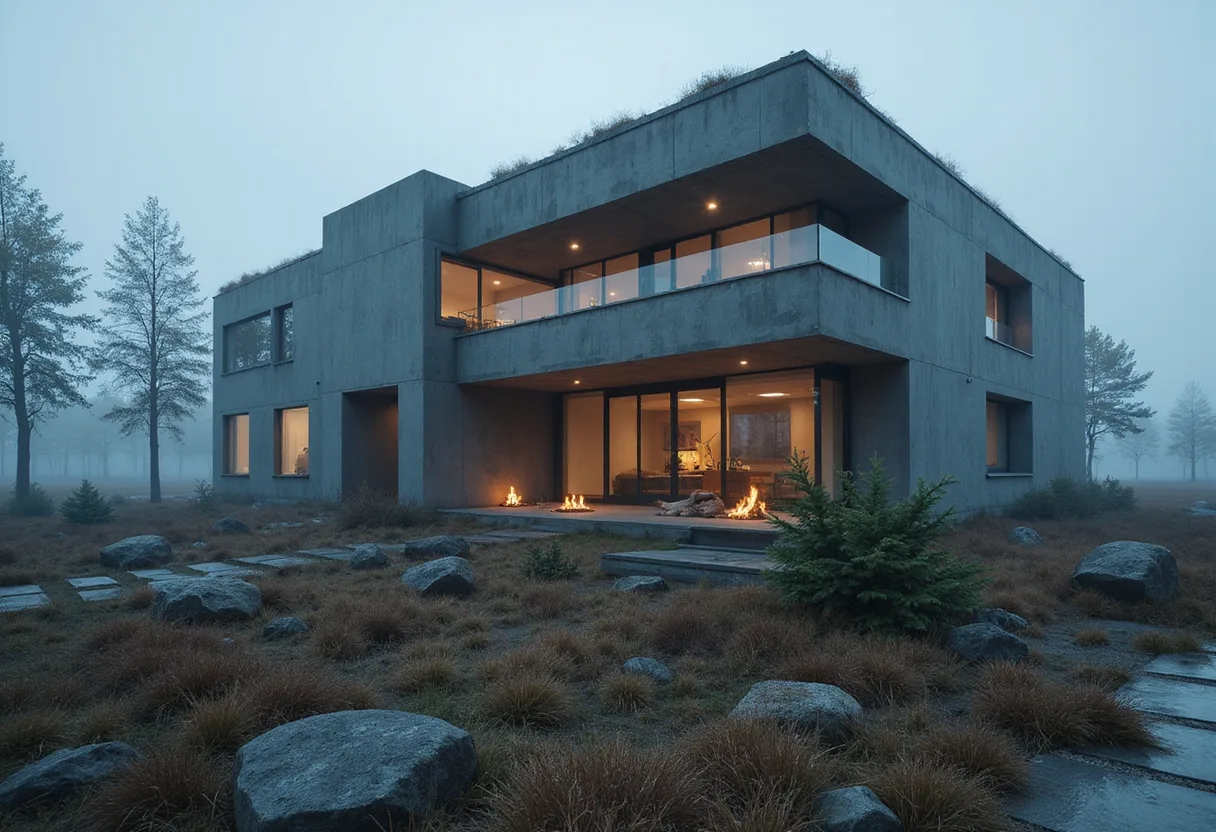
Nearly 70 home design proposals built for fire zones went on display in Los Angeles this year — the largest collection of Wildland-Urban Interface (WUI) architectural work assembled to date. The exhibition, Architecture After the Fires, closed out the first year of the Resilient Futures Task Force at SCI-Arc, a school-founded coalition created after the January 2025 fires exposed what the institution calls deep weaknesses in Southern California's default residential standards.
The January 2025 fires left residents still rebuilding nearly two years later, as wildfires in the region grow more frequent and severe. The Task Force's premise is simple: don't repeat past mistakes. Outdated safety codes, standard construction habits, and insurance gaps all contributed to the damage, and the group treats the current crisis as a window to set safer long-term design norms for fire-prone areas.
Who is actually at the table?
The Task Force connects SCI-Arc's tradition of critical design research with hands-on disaster recovery. It brings together teachers, researchers, and students alongside an international network of architects, structural engineers, scientists, material specialists, non-profit developers, and financial strategists.
The collaborator list runs from engineering and construction to finance:
- Code Red Consultants, SGH, and Timberlab
- Angel City Lumber, Builders FirstSource, Plant Prefab, ReSAWN, and Urban Machine
- Sexsmith Architects
- JPMorgan Chase, Century Housing, and Clearinghouse CDFI
- TU Delft
That mix matters because the panels the Task Force organized went well beyond drawing houses. Public sessions covered alternative building materials, mass timber construction, rebuilding economics, and fire-adapted landscaping — the practical decisions a displaced homeowner actually faces.
What help do displaced homeowners get?
The initiative doesn't only operate at the level of research papers. Through public community meetings, it gives displaced homeowners direct, practical help with building safety, soil toxicity, emergency funding, and insurance claims. That's an unusual arrangement for an architecture school: academic expertise routed straight into disaster recovery, in real time, for people who lost homes.
What did the exhibition show?
Architecture After the Fires presented speculative and actionable proposals tailored specifically for fire zones, mixing concept work with buildable designs. Contributors included prominent practices:
- Lorcan O'Herlihy
- SPF
- Studio Murnane
- Morphosis
- Heather Flood and Story Dimson Studio
- Knowhow Shop
- Scott Uriu
The show functioned as a public test bed. Which materials hold up in WUI conditions, what mass timber can and can't do, how landscaping changes fire behavior around a house — those questions got concrete, drawn answers rather than policy language.
What comes next?
The Task Force is publishing a comprehensive book documenting the exhibited projects, which will serve as a permanent reference guide for building in high-risk environments. That moves the work from a temporary aid posture toward what the group calls permanent resilience.
SCI-Arc then plans to expand the research through institutional partnerships combining artificial intelligence, environmental risk modeling, and advanced simulation. The stated goal is regional: shaping resilient building standards across Southern California, not just fixing individual lots. If the codes and habits that failed in January 2025 get rewritten anywhere, this coalition is positioning its nearly 70 documented proposals as the evidence base for that rewrite.
Project info:
School: SCI-Arc (@sciarc) Location: Los Angeles, California Resilient Futures Task Force: sciarc.edu/institution/resources/resilient-futures
Original: sciarc.edu
More from Elena Vasquez
Show full bio
Senior reporter covering money, funding and market shifts around construction industry, architecture, interior design at Built Current.
263 articles