Schulz und Schulz Completes the World's Only Mother-of-Pearl Museum
Schulz und Schulz's 2,013-square-metre Perlmutter Museum in Adorf-Vogtland is the world's only museum of freshwater pearl mussels and mother-of-pearl craft. The town bets it can drive structural change.
- Section
- Architecture
- Author
- By Priya Raman
- Filed
- Length
- 2 min read
Key takeaways
- The Perlmutter Museum in Adorf-Vogtland was completed in 2025 by architects Schulz und Schulz.
- The building spans 2,013 square metres and is, per the architects, the only museum worldwide dedicated to freshwater pearl mussels, pearl fishing and mother-of-pearl craftsmanship.
- Adorf aims to use the museum as a catalyst for structural change in a region facing an ageing, declining population and economic difficulty.
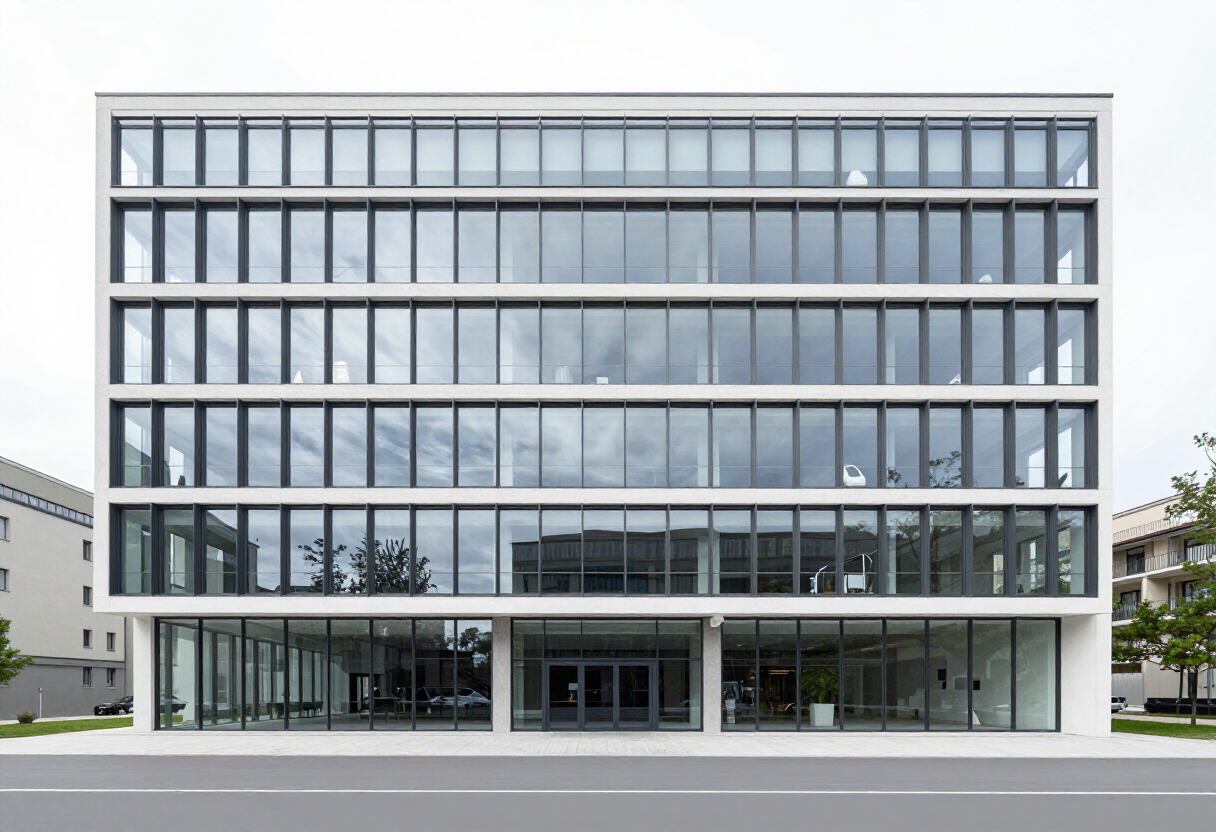
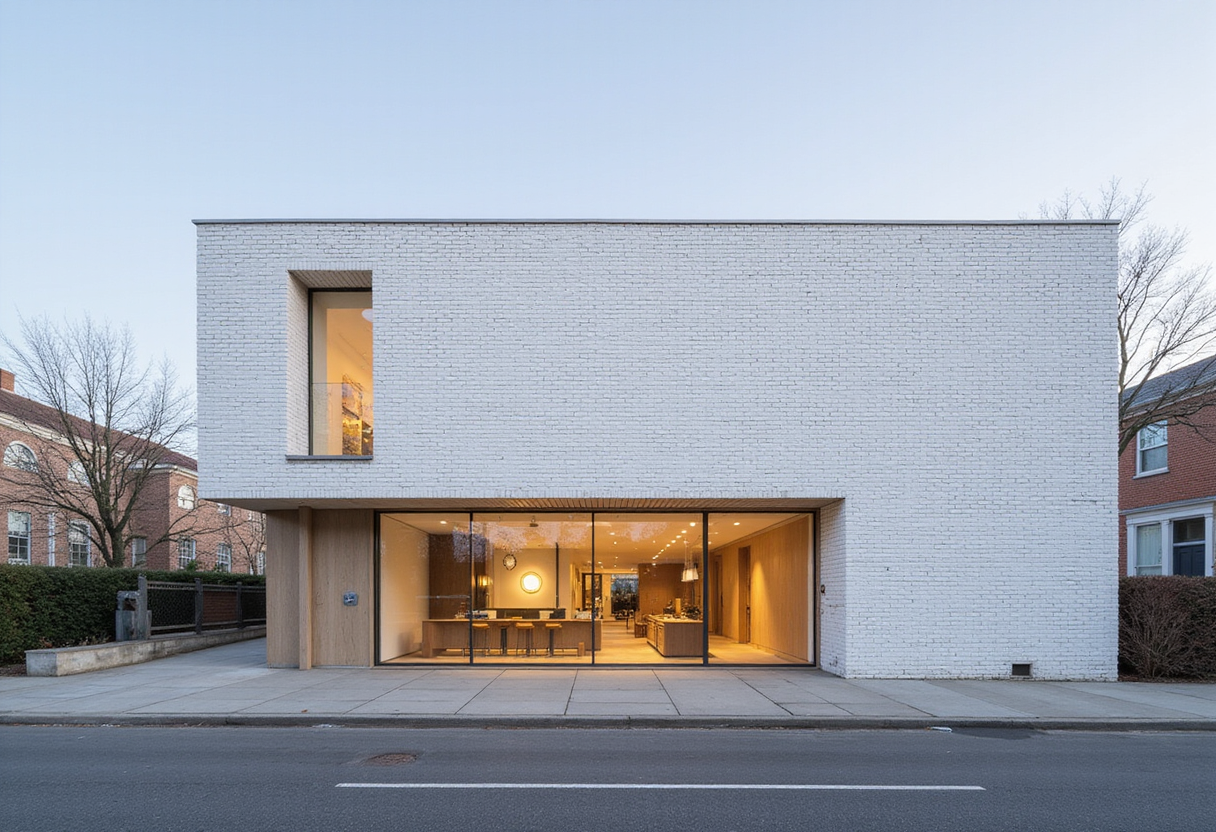
No other museum in the world is dedicated to freshwater pearl mussels, pearl fishing and mother-of-pearl craftsmanship, according to Leipzig-based firm Schulz und Schulz. The architects' new Perlmutter Museum in Adorf-Vogtland, completed in 2025, covers 2,013 square metres and stakes the town's future on that distinction.
Adorf, in the Vogtland region of Saxony, faces what the architects describe as "the typical challenges of rural regions": an ageing and declining population, a loss of attractiveness as a place to live and work, and the resulting difficult economic situation. The town's administration has responded by improving infrastructure and educational opportunities rather than accepting decline.
Schulz und Schulz position the museum within that strategy. In their project description, the firm calls the building "a flagship project for the town and the region, intended to serve both as a symbol of local identity and as a driver of positive development." The statement frames the museum not as a cultural amenity but as an instrument of policy.
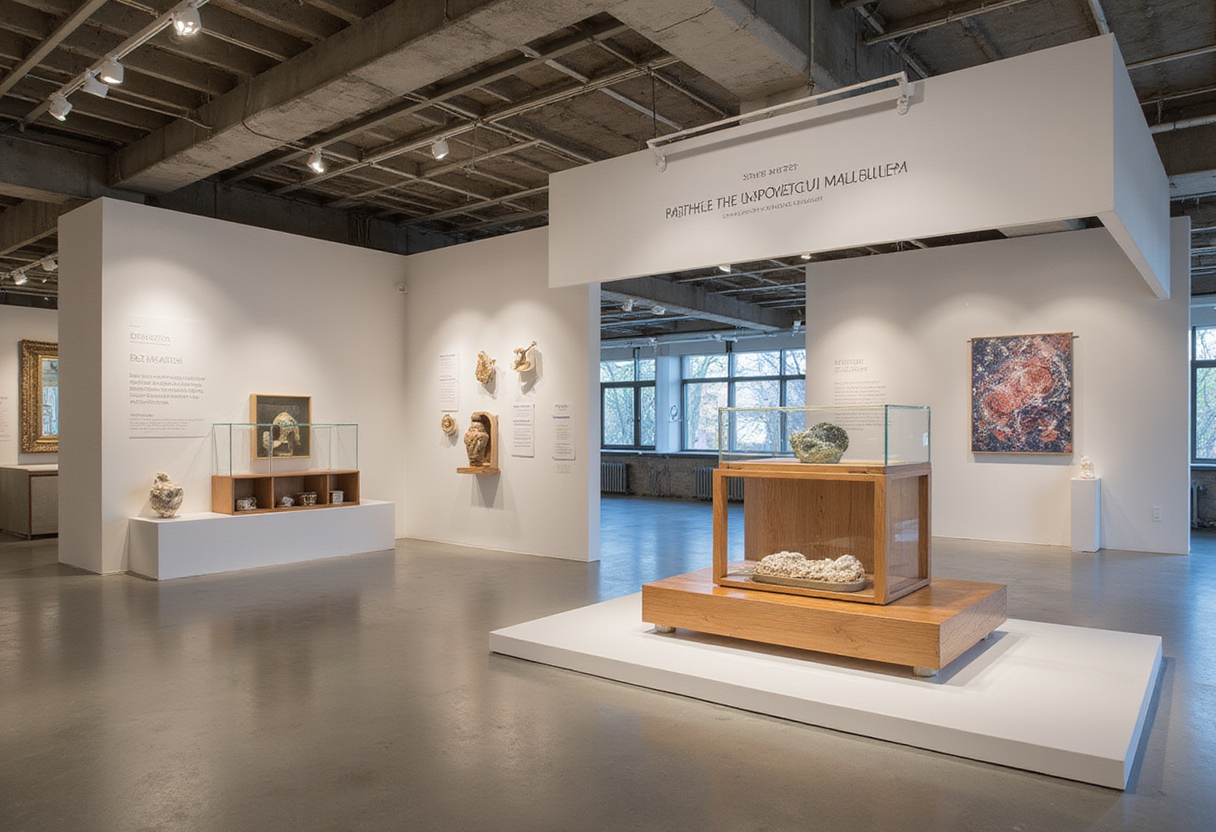
The subject matter gives Adorf a claim no other locality can make. The Perlmutter Museum is, by the architects' account, unique in its form worldwide. Its galleries are devoted to the freshwater pearl mussel, to the historic practice of pearl fishing, and to the craft traditions of working mother-of-pearl. Adorf, in the architects' words, "aims to use this unique feature as an attractive catalyst for actively shaping structural change."
That phrasing matters for a town of Adorf's profile. Structural change in rural Saxony usually means managing contraction: fewer residents, fewer jobs, less investment. The museum inverts the equation. It treats a hyper-specific local heritage — the rivers, mussels and artisans of the Vogtland — as an asset capable of drawing visitors, attention and, by extension, economic activity to a place that conventional development logic has written off.
The building itself assembles a broad roster of German and European manufacturers across its 2,013 square metres. The documented suppliers include Schüco and Schörghuber for façade and window systems, Lamilux for daylighting elements, GEZE and GU Automatic for door technology, and Häfele, FSB Franz Schneider Brakel, JUNG and Busch-Jaeger for hardware, fittings and electrical installations. Acoustic panels come from Lahnau Akustik GmbH; flooring from Forbo; steelwork from Meiser; and natural stone from Steinwerk Theuma, a regional quarry. Further contributors include Akurit, ClimaDomo, DekoZell, HEYSAN, MOSAFIL, Oertel and SP-Bau.
The density of the supplier list signals the project's ambition: a museum of this specification is a significant construction undertaking for a small town, and the involvement of Steinwerk Theuma in particular ties the building materially to its region.
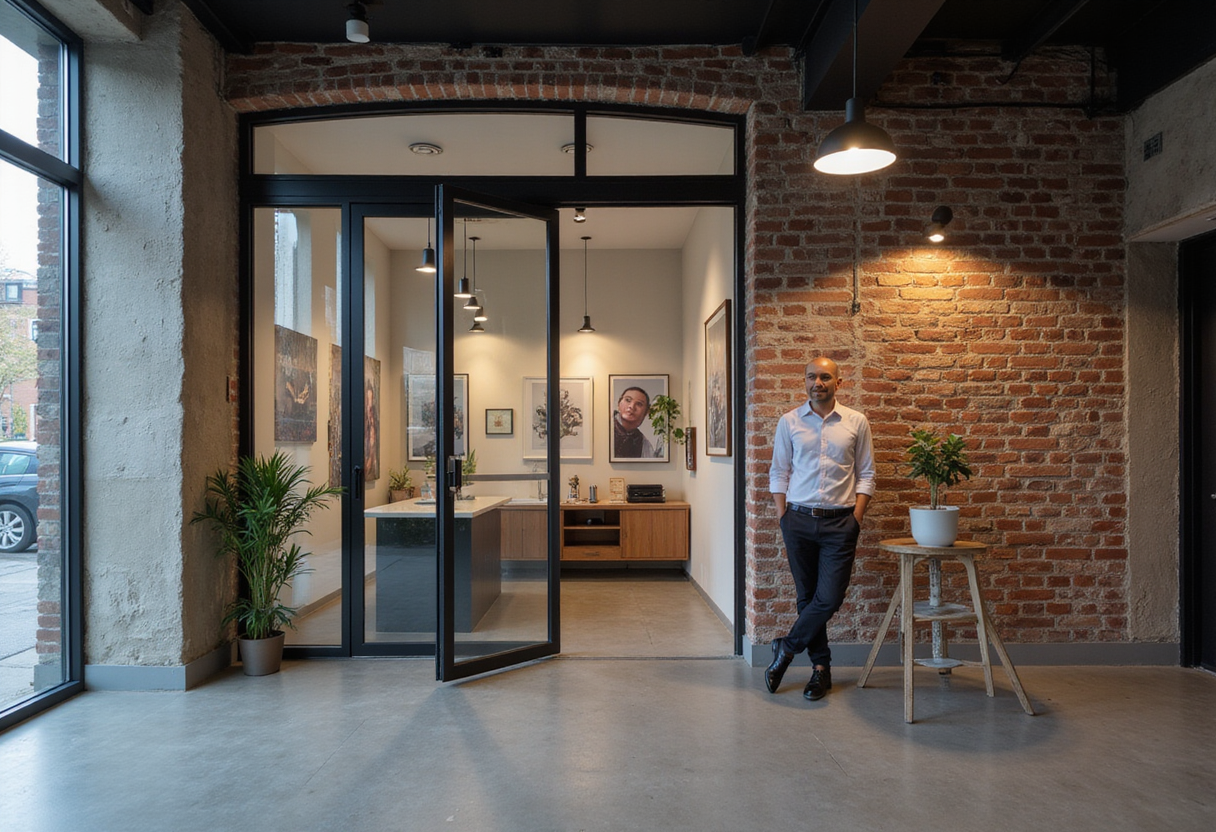
Photographers Gustav Willeit and Albrecht Voss documented the completed building in 2025.
If the museum delivers on the town's premise, Adorf will have converted a niche of natural and craft history into a working model for rural regeneration — one that other shrinking regions in Germany and beyond will watch closely.
Source: ArchDaily
More from Priya Raman
Show full bio
News editor covering industry trends and analytics at Built Current.
63 articles