Reused-timber shade pavilion by Pearce+ lands at Camden Collective
Pearce+ built a hexagonal timber shade pavilion in Camden from five prefabricated trapezoidal sections using 100% reused timber, commissioned for the Camden Inspire festival's Guerrilla Shading initiative.
- Section
- Architecture
- Author
- By Priya Raman
- Filed
- Length
- 3 min read
Key takeaways
- Pearce+ built a hexagonal timber shade pavilion at Camden Collective in north London, using five prefabricated trapezoidal sections.
- All timber in the structure was reused from the studio's previous projects.
- Camden Inspire festival commissioned the pavilion; Owen Pearce is the studio's founder.
- The structure is fully demountable; Camden Unlimited plans a 2026 tour with schools and community groups.
- Pearce worked with Shade The UK and is pushing to reclassify shade as essential urban infrastructure.
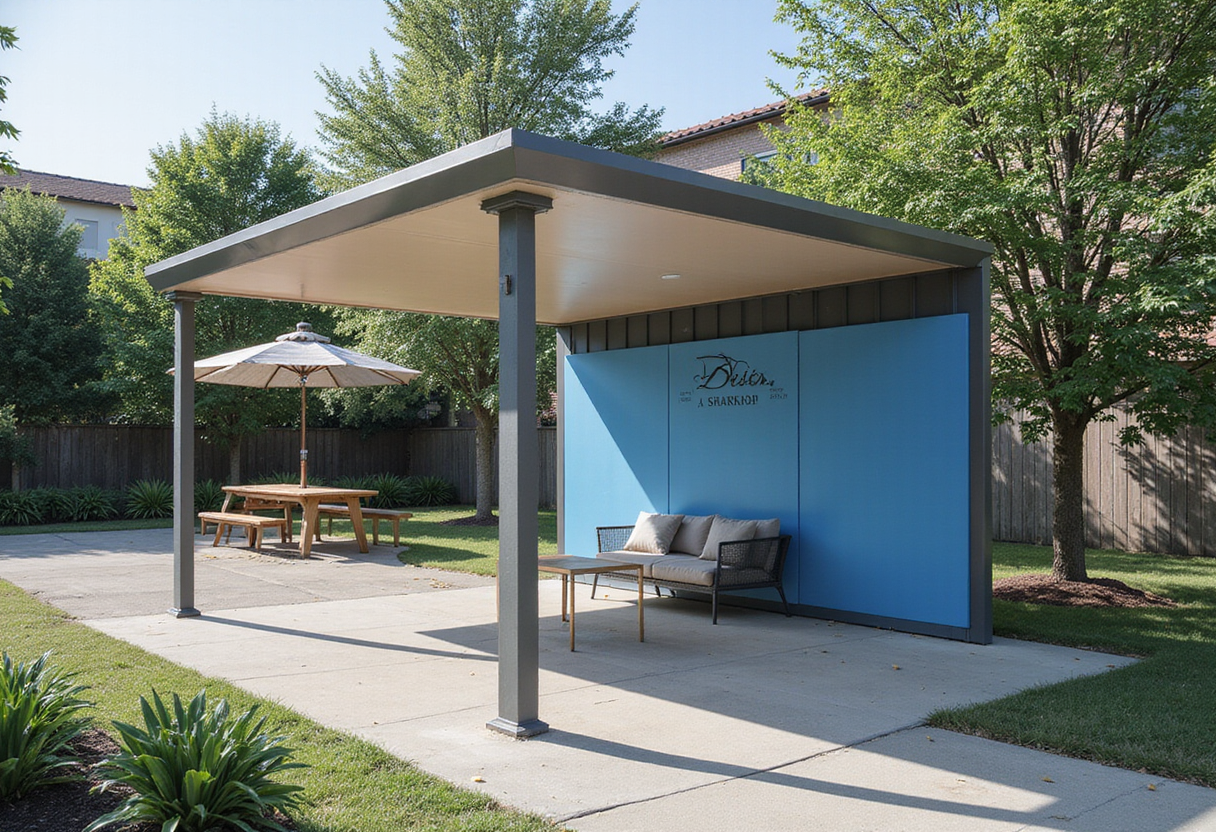
Pearce+ built a hexagonal timber shade pavilion at Camden Collective in north London, using five prefabricated, trapezoidal sections and timber reused entirely from the studio's previous projects. Camden Inspire festival commissioned the structure for public use on the charity's grounds.
Founder Owen Pearce calls the project a working prototype. It carries the Guerrilla Shading initiative, his push to treat shade as civic infrastructure.
What does the pavilion actually look like?
The form is simple: a hexagon. Five prefabricated trapezoids bolt together on site. Slatted timber walls cast moving shadows on the small interior below.
Fabric pieces hang from anchor points along the top edge. They stretch across the open roof for added cover, working like a sail that residents can rig themselves. The lower walls stay unfinished by design; visitors complete them by weaving donated fabric into the timber slats during the festival run.
This handwork tests whether strangers can finish a shading structure in an afternoon. Pearce says yes.
Why does the UK need a shade campaign?
Pearce worked with Shade The UK, a campaign group, to design the prototype. He frames shade as a missing layer of city planning.
"Shade is one of the simplest ways to make our increasingly hot environments more bearable, yet it's remarkably overlooked in the UK," Pearce told Dezeen.
He continued: "We have surprisingly short memories when it comes to hot summers, and conversations about overheating quickly disappear when the weather cools."
Pearce also made the project's central pitch: "Making shade doesn't need to be expensive or complicated. A bit of ingenuity, some simple materials and a few willing hands can go a long way."
What does this change for cities and residents?
Pearce's policy ask is direct. "We need to start treating shade as essential infrastructure, not a seasonal luxury," he said. "That means changing planning policy, but also empowering people to take action themselves."
For architects, the model offers a low-cost template. For councils, it suggests community-built interventions. The practical question for residents is this: where could your street, school, or park gain shade before next summer?
"Don't wait until the next heatwave!" Pearce urged. "Start thinking and making now, so we're ready for next summer. Small, creative interventions can make a real difference and spark much bigger conversations."
Where does the pavilion go next?
The structure is fully demountable. Pearce designed every joint for reassembly. Organizers Camden Unlimited plan a 2026 tour with local schools and community groups.
Pearce hopes for a Glastonbury Festival stop. "Personally, I'd love to take it to Glastonbury. Anyone who's been there during a heatwave knows there's precious little shade!" he said. "A series of collectively made shading structures across the festival could be brilliant."
New shade sails and new fabric contributions will join the structure at each stop, Pearce added, so the pavilion grows with every move.
Who built the pavilion?
Project credits list Camden Inspire as client, Pearce+ as architect, and Momentum Engineering as structural engineer. Photographer Ben Sage documented the finished structure.
The build joins a small but growing set of shade-focused pavilions. In July 2026, architect Liz Gálvez unveiled a cord-and-earthen-block shade structure in Los Angeles for a similar brief.
Original: camdeninspire.com
More from Priya Raman
Show full bio
News editor covering people, launches and day-to-day practice in construction industry, architecture, interior design at Built Current.
123 articles