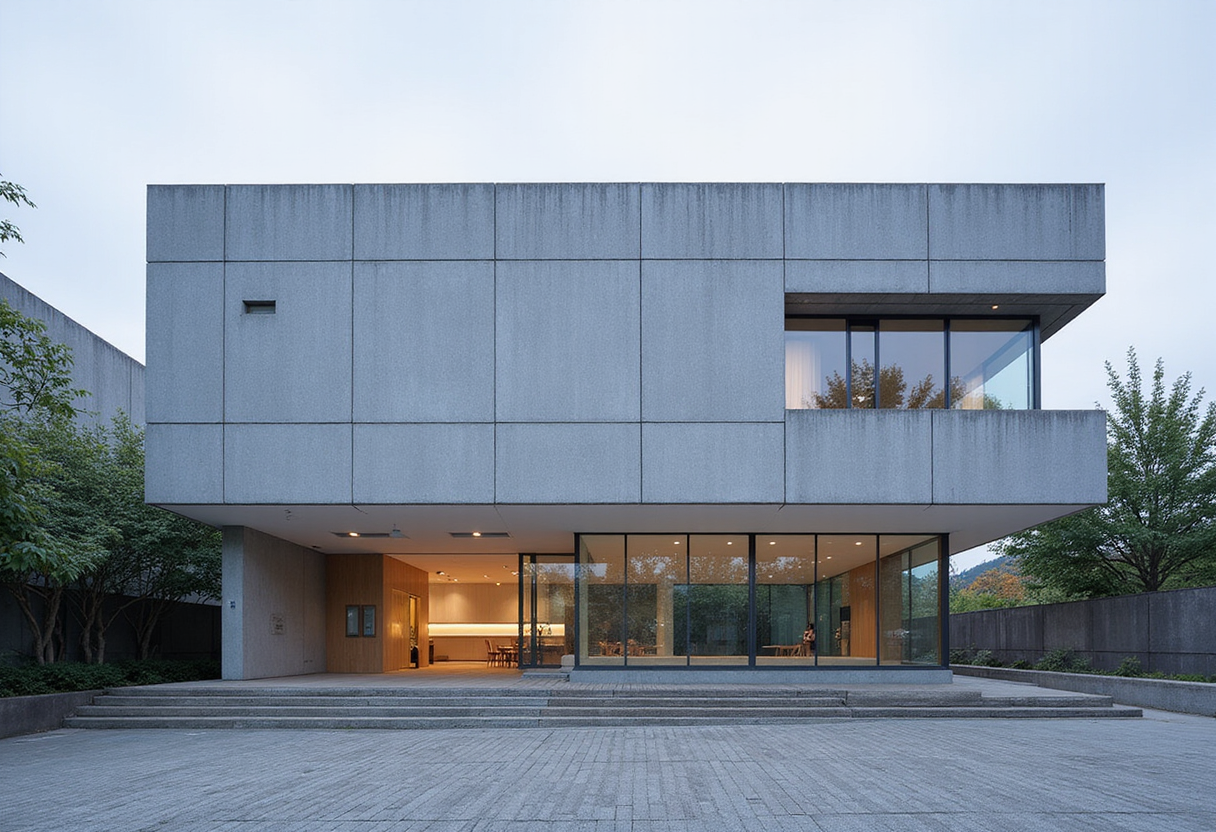
Qing Studio Caps Jingzhou Wall Excavation With 330 m² Site Pavilion
Qing Studio's 330 m² pavilion, set for 2026, exhibits a stratified "walls built upon walls" sequence spanning Five Dynasties, Song, Ming and Qing at Jingzhou's Bastion No. 11.
- Section
- Architecture
- Author
- By Amara Osei
- Filed
- Length
- 2 min read
Key takeaways
- Qing Studio designed the 330 m² Jingzhou City Wall Archaeological Site Exhibition Pavilion, completed in 2026.
- Bastion No. 11 was listed for emergency conservation in 2016 due to foundation settlement and structural cracking.
- Repairs revealed a stratified structure spanning Five Dynasties, Song, Ming, and Qing periods.
- The National Cultural Heritage Administration approved systematic archaeological excavation of the site.
- Photographs of the project are by Yilong Zhao.
A 330-square-metre exhibition pavilion by Qing Studio will open in 2026 over one of China's most consequential city-wall discoveries: a stratified sequence of "walls built upon walls" at Bastion No. 11 of the Jingzhou City Wall, spanning the Five Dynasties, Song, Ming, and Qing periods.
The project traces back to 2016, when this section of the ancient wall was listed for emergency conservation. Foundation settlement and structural cracking had destabilized the bastion, prompting a repair campaign. That campaign produced the breakthrough. During the repair process, workers exposed layered fortifications stacked across four dynastic eras — a physical cross-section of roughly a millennium of construction history.
The find's significance led to approval by the National Cultural Heritage Administration for systematic archaeological excavation. Qing Studio's pavilion, photographed by Yilong Zhao, now frames that excavation as a public exhibit on what the architects describe as a living street.
Why does one bastion hold four dynasties of wall?
The Jingzhou City Wall was not built once and preserved. It was rebuilt repeatedly on the same footprint. At Bastion No. 11, each era — Five Dynasties, Song, Ming, and Qing — added masonry over the remains of its predecessors. The result reads as a vertical archive: a cross-section in which successive walls sit directly atop one another, recording settlement, repair, and reconstruction over centuries.
That layering is what the pavilion puts on display. Rather than treating the archaeology as a detached ruin, the project positions the stratified structure beside an active street, making the excavation legible to passersby. The architects call the result "a millennium cross-section on a living street."
What happened before the design?
The timeline matters to how the site is now interpreted:
- 2016 — Bastion No. 11 is listed for emergency conservation after foundation settlement and structural cracking.
- Repair campaign — Workers uncover the stratified "walls built upon walls" structure spanning Five Dynasties, Song, Ming, and Qing periods.
- National Cultural Heritage Administration — The authority approves systematic archaeological excavation of the bastion.
- 2026 — Qing Studio's 330 m² Exhibition Pavilion completes the sequence, turning the excavation into a permanent public display.
What does the pavilion change?
The building converts an emergency conservation case into an interpretive instrument. A wall section once threatened by settlement now functions as evidence — of how Jingzhou was fortified, abandoned, and refortified across dynasties, and how conservation practice can surface history that demolition would have erased.
The pavilion also signals a broader shift in how China handles urban archaeology: the National Cultural Heritage Administration's decision to authorize systematic excavation, rather than stabilize and rebury, set the conditions for this architecture. When the pavilion opens in 2026, visitors will read a millennium of construction history in a single section — the cross-section that the architects say the street now lives alongside.
Source: ArchDaily
More from Amara Osei
Show full bio
Market editor covering companies, deals and strategy in construction industry, architecture, interior design at Built Current.
127 articles