Prince de Conti Hotel Turns 17th-Century Paris Building Into Stage Sets
Paristory's Prince de Conti packs 23 theatrically designed rooms into a 17th-century Saint-Germain-des-Prés building, the family group's first hotel on the Left Bank.
- Section
- Interiors
- Author
- By Marcus Bennett
- Filed
- Length
- 2 min read
Key takeaways
- The Prince de Conti hotel occupies a 17th-century building in Paris's Saint-Germain-des-Prés district.
- The four-star hotel contains 23 rooms and suites, each designed as a distinct stage set.
- Paristory, led by sisters Alexandra and Julie Marang, operates three other boutique hotels on the Rive Droite.
- The Prince de Conti is Paristory's first property on the Rive Gauche.
- The hotel operates an honesty bar with no bartender.
Twenty-three rooms and suites fill the Prince de Conti, a four-star hotel that has taken over a 17th-century building in Paris's Saint-Germain-des-Prés district. The hotel sits steps from Notre-Dame de Paris and the Hôtel de la Monnaie, and it borrows the extravagance of its five-star counterparts while refusing to play by the usual rules of the category. Think less conventional hotel, more Parisian jewel box with a flair for the dramatic.
Who owns the hotel?
The Paristory group, a family-run enterprise led by sisters Alexandra and Julie Marang, owns the Prince de Conti. The property marks a significant expansion for the group: it is their first on the Rive Gauche, a neighborhood that holds personal significance for the Marang family. Paristory already operates three boutique hotels on the Rive Droite, and the group brings that hospitality expertise to its new Left Bank venture.
What do the interiors do with history?
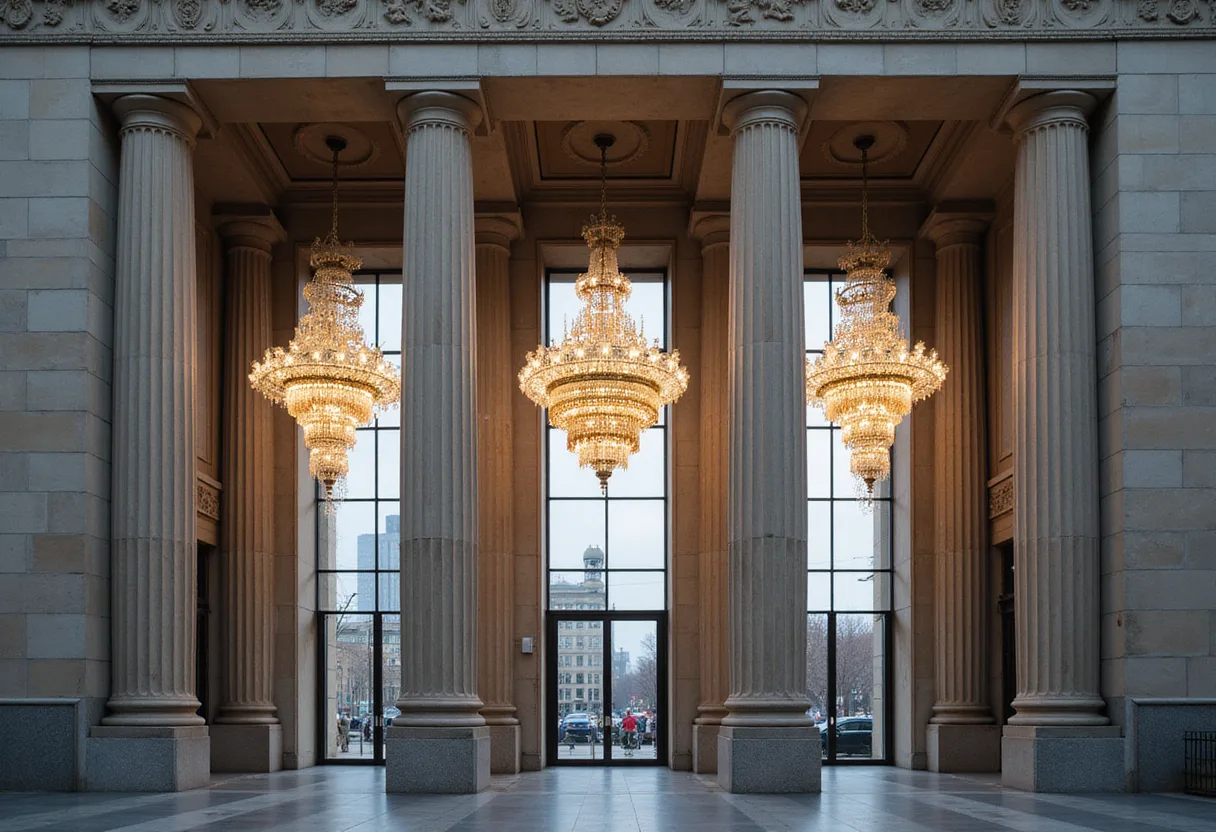
The interior design concept draws extensively on historical references, reinterpreted through a contemporary lens. The result is a playful mix of bold colors, historical motifs and carefully chosen details, in which, as the hotel's presentation puts it, "the 17th century gets a contemporary makeover." Rather than recreating the past, the interiors borrow its most theatrical elements and assign them a new role.
The spaces land somewhere between a private residence and a period drama, minus the powdered wigs. Rich wood finishes, elaborate tapestries and sumptuous fabrics set the scene, borrowing what the project description calls "a few tricks from the French aristocracy's decorating playbook." Old-world extravagance enters the present, but the designers stopped short of turning the building into a museum.
How do the rooms differ?
No two rooms tell quite the same story. Each of the 23 rooms and suites works as a miniature stage set, with its own character, decorative details and historical references. Theatrical touches abound, yet the scale stays intimate, making the experience feel closer to stepping into an eccentric private residence than checking into a conventional hotel.
That informality extends to the hotel's honesty bar. Guests help themselves to wine, spirits or other drinks and keep track of what they have had. No bartender. No elaborate rituals. Just a little old-fashioned trust — a relaxed counterpoint to interiors that otherwise take their decorative drama seriously.
What does the project signal?
For practitioners, the Prince de Conti shows a four-star operator competing on atmosphere rather than amenity count, compressing aristocratic scale into a 23-key footprint. With Paristory now planted on both banks, the family's boutique model — intimate properties, historically charged interiors — has a Paris-wide test case.
Original: google.com
More from Marcus Bennett
Show full bio
Correspondent covering money, funding and market shifts around construction industry, architecture, interior design at Built Current.
225 articles