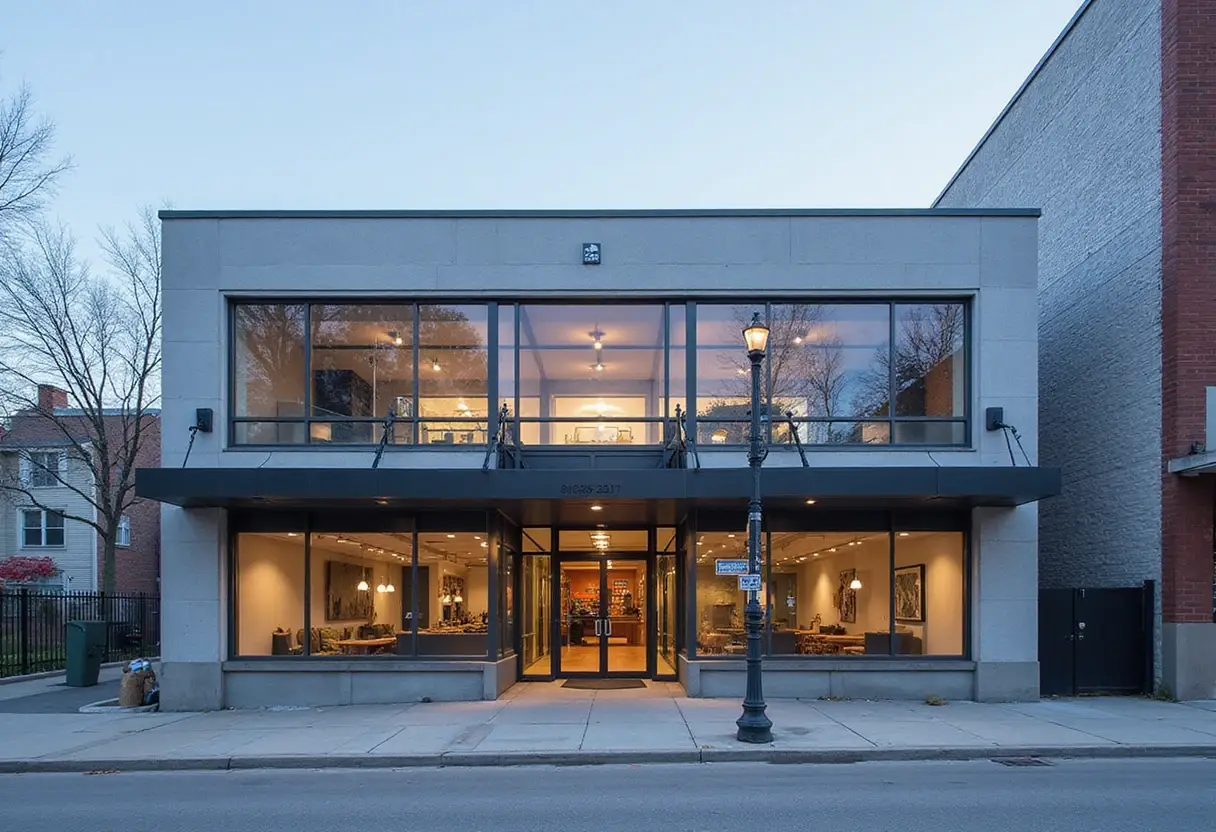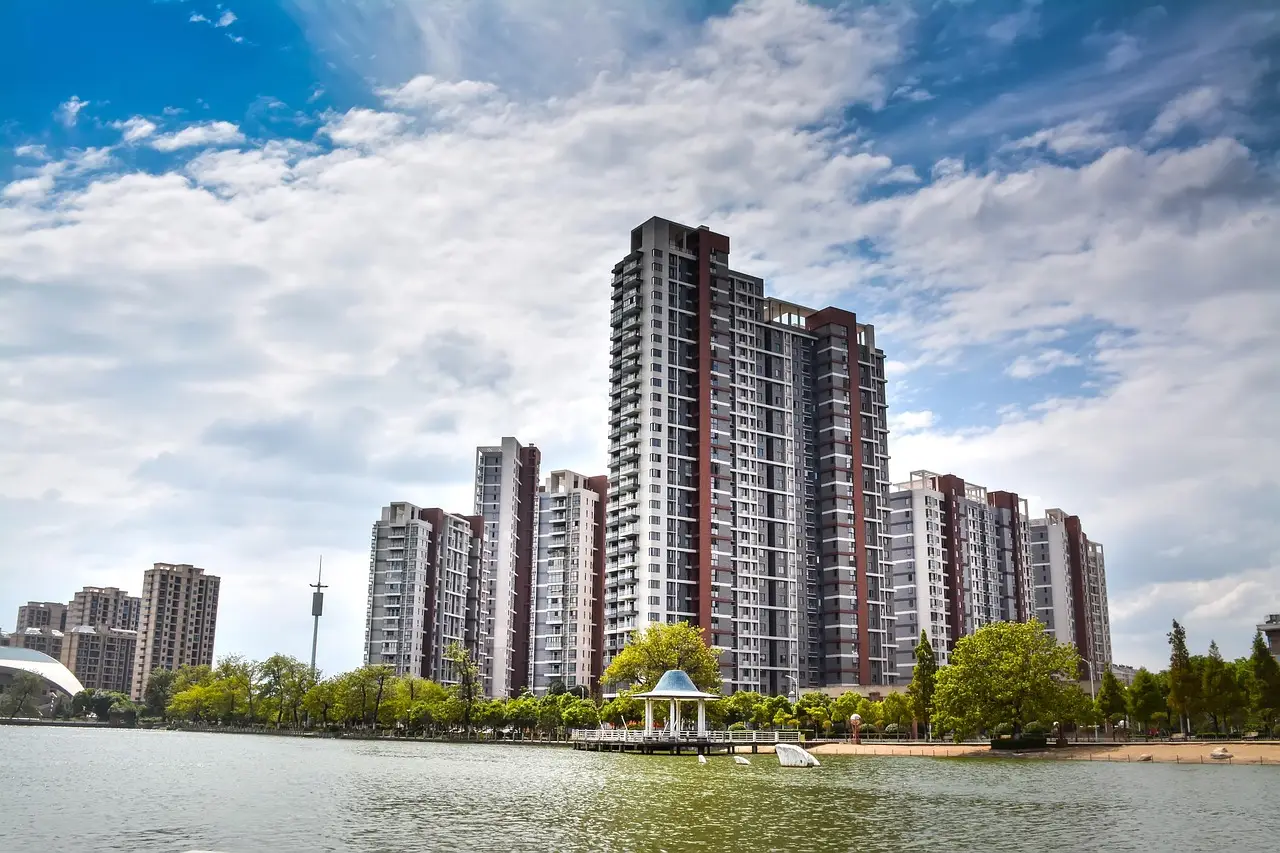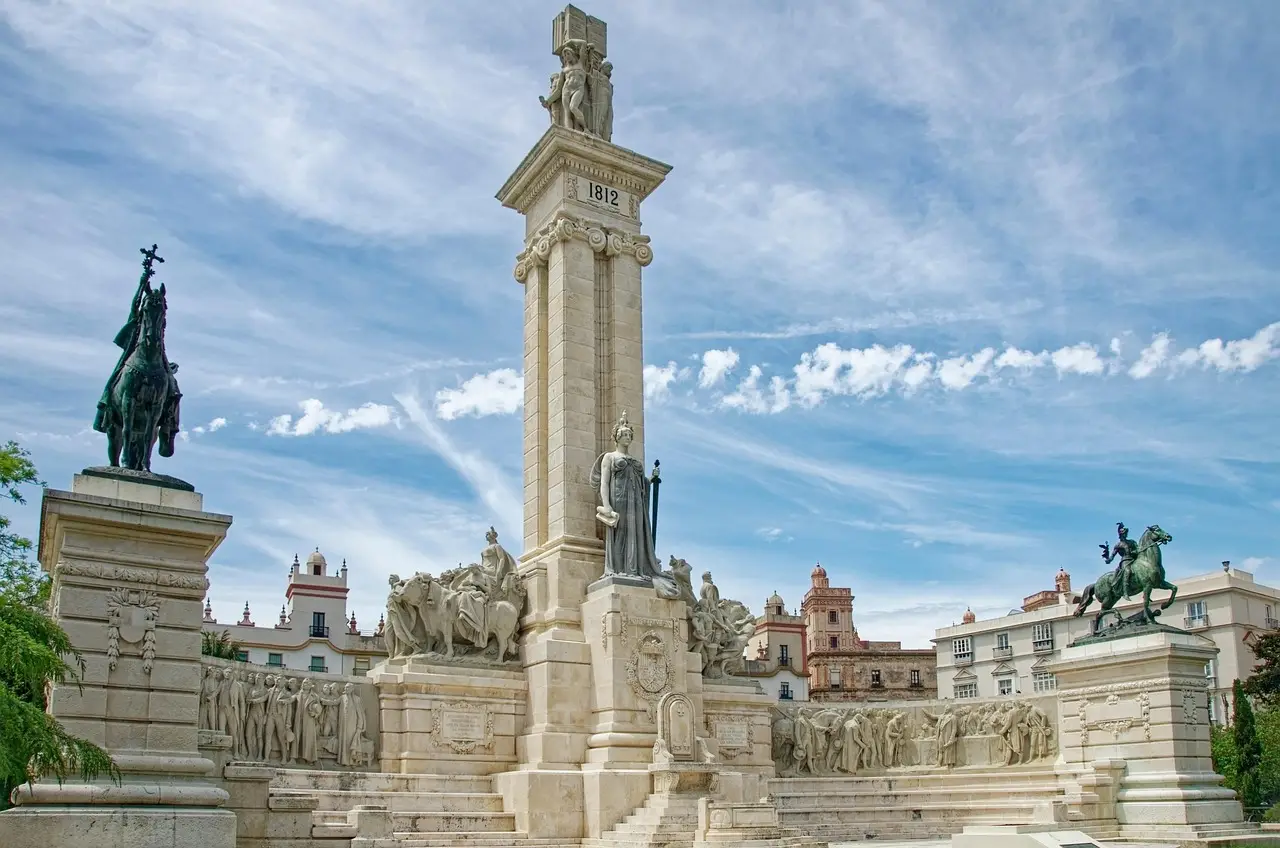
Place des Montréalaises Covers a Sunken Expressway With an Esplanade
Place des Montréalaises covers a sunken Montreal expressway with a 19,890 m² esplanade, linking Old Montreal downtown while embedding women’s memory in the city.
- Section
- Urbanism & Planning
- Author
- By Elena Vasquez
- Filed
- Length
- 3 min read
Key takeaways
- The 19,890 m² Place des Montréalaises scheme covers a sunken expressway with an esplanade.
- The 2025 project connects Old Montreal to downtown.
- The 19,890 m² area equals just under two hectares.
- Lemay, artist Angela Silver and AtkinsRéalis’ engineering team designed the project.
- The architects say the intervention inscribes the memory of exceptional women in the urban landscape.
By Elena Vasquez
Place des Montréalaises covers a sunken expressway with a vibrant esplanade within a 19,890 m² intervention in Montreal’s civic and tourist heart. According to the architects, the 2025 project links Old Montreal to downtown and inscribes the memory of exceptional women in the urban landscape.
The scale is just under two hectares. The architects frame that physical and symbolic ambition as “A Monumental Gesture Inscribing Women's Memory at the Heart of a City.”
They also describe the intervention directly: “Place des Montréalaises is reshaping Montreal's civic and tourist heart by covering a sunken expressway with a vibrant esplanade.” The statement identifies both the infrastructure move and its civic purpose.
What does the esplanade change?
The scheme begins with a level break. A sunken expressway sits below the surrounding urban ground; the esplanade establishes a continuous public surface above it. That is the mechanism behind the stated connection between Old Montreal and downtown.
The result is more than a change in surface. Covering the roadway creates a civic landscape where transport infrastructure previously interrupted the city. The esplanade carries the physical link, while the memorial program gives the new ground a cultural frame.
Lemay designed Place des Montréalaises with artist Angela Silver and the engineering team at AtkinsRéalis. The credited roles are distinct but joined within one project. Silver contributes the artistic dimension, AtkinsRéalis contributes engineering, and Lemay is named as the designer.
How does the project remember women?
The architects say the intervention inscribes the memory of exceptional women in the urban landscape. That places commemoration within the city’s physical organization, rather than assigning it only to a freestanding plaque or monument.
The project description does not name the women or identify individual artworks. Its clearest account therefore centers on the landscape as the memorial medium. Angela Silver’s credited role makes the artistic authorship explicit, while the esplanade gives that authorship an urban setting.
The architects call the esplanade vibrant and the gesture monumental. Those terms frame the memorial as part of a public environment, not an isolated installation. By linking Old Montreal and downtown, the scheme embeds commemoration in the movement between them.
What is known about the 2025 scheme?
The project record gives a year, an area and three contributors. Place des Montréalaises dates to 2025. Lemay, Angela Silver and AtkinsRéalis handle the architecture, art and engineering.
The 19,890 m² figure translates to nearly two hectares. Lemay also supplied the project photographs.
The information does not disclose a construction budget, cost, materials schedule, planting plan or technical account of the expressway covering. It also does not identify the exceptional women honored. Cost, construction methods and the memorial’s specific narrative therefore remain open questions.
What is clear is the urban mechanism. Place des Montréalaises covers a sunken expressway, forms an esplanade above it and connects Old Montreal with downtown. It then adds a commemorative layer dedicated to exceptional women at the heart of that new connection.
The practical test for the nearly two-hectare esplanade is whether it makes the route between Old Montreal and downtown intuitive. The commemorative test is equally specific: whether the memory of exceptional women remains present as part of the route, rather than only as a label attached to it.
Source: ArchDaily
More from Elena Vasquez
Show full bio
Senior reporter covering money, funding and market shifts around construction industry, architecture, interior design at Built Current.
384 articles