OMA's Bali General Store Makes Shopping a Materials Workshop
OMA and Potato Head open the Good Times General Store in Seminyak: five bays merging retail, natural dyeing, and recycled-plastic workshops, with more ateliers due in 2027.
- Section
- Architecture
- Author
- By Marcus Bennett
- Filed
- Length
- 3 min read
Key takeaways
- OMA designed the Good Times General Store, Potato Head's first permanent store, at Desa Potato Head in Seminyak, Indonesia.
- The interior spans five interconnected bays covering retail, a natural dye studio, and a plastic molding workshop using shredded HDPE from Bali and Java.
- Building materials include alang-alang thatch, local-clay rammed-earth walls, reclaimed wood, and terrazzo with recycled bamboo offcuts.
- Ateliers for weaving, upcycling, and sewing are planned for 2027.
- Ronald Akili founded Potato Head; OMA's David-adjacent collaboration has previously delivered the Desa hotel and Klymax Discotheque.
OMA has opened the Good Times General Store at Desa Potato Head in Seminyak, Indonesia — the hospitality brand's first permanent store, and one where buying something is only part of the experience. The space doubles as a craft center that brings together Indonesian-made objects, fashion, furniture, and hands-on workshops, inviting visitors to see how things are made, where their materials come from, and what happens to them after their first life.
The architecture follows the same circular logic as the program. OMA developed the building with Ade Herkarisma, Potato Head's Group Head of Architecture and Development. The material palette draws on Balinese construction traditions: an alang-alang thatch facade, rammed-earth walls made from local clay, reclaimed wood, and terrazzo floors incorporating recycled bamboo offcuts. Fragmented earthen blocks organize the interior while blurring the boundaries between its functions. No elaborate finishes. The materials do the talking.
How are the five bays organized?
Inside, five interconnected bays trace different stages in the lifecycle of objects, designed by OMA to merge retail, craftsmanship, and material experimentation in a single environment.
- Bay one introduces artisan souvenirs, books, records, and lifestyle pieces by independent makers.
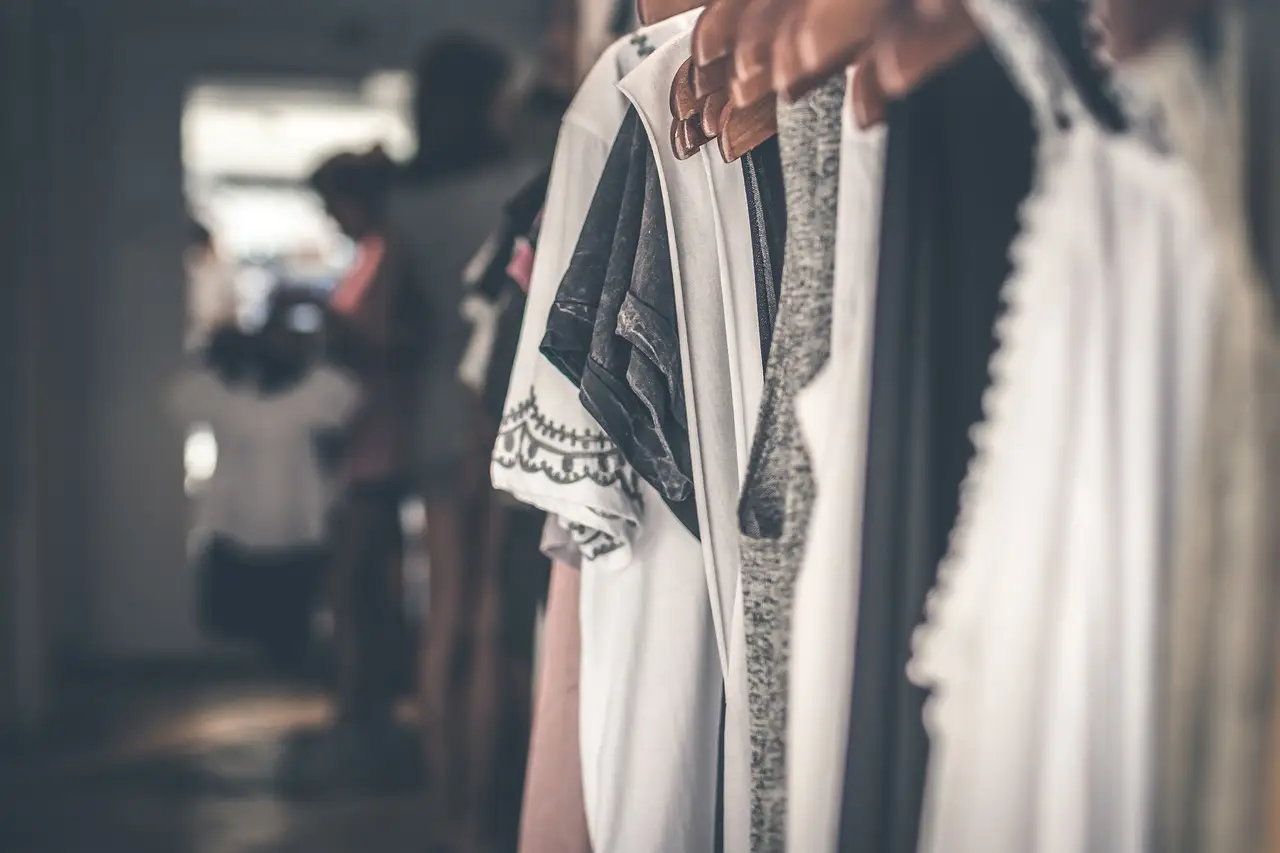
- Bay two showcases Potato Head's clothing and travel collection inspired by Bali.
- Bay three is dedicated to the Wasted collection by Max Lamb, which transforms discarded plastics and other waste materials into functional furniture and homeware.
- Bay four houses a working natural dye studio that extracts pigments from plants and food waste collected across Desa Potato Head, where visitors can experiment with dyeing, painting, and pattern-making.
- Bay five anchors a workshop space for plastic molding and material experimentation, built around a wall of shredded HDPE plastic recovered through collectors and upcyclers in Bali and Java.
The program will keep growing. Additional ateliers for weaving, upcycling, and sewing are planned for 2027.
What does the store connect to?
Beyond retail, the Good Times General Store plugs into Potato Head's existing sustainability infrastructure. That includes the Waste Lab, where discarded materials are investigated and repurposed, and the Follow the Waste Tour, which traces how resources move through the resort. The building itself serves as a demonstration of how locally sourced and reclaimed materials can shape contemporary spaces.
'Retail can be more than a transaction,' Potato Head founder Ronald Akili said, emphasizing the importance of understanding who makes an object, what goes into it, and what its next life might look like.
For OMA, the project extends a long-standing collaboration with Potato Head that has already produced several spaces across Desa, including the hotel and Klymax Discotheque. This time the emphasis shifts from hospitality and entertainment to the everyday relationship between people and the things they consume.
By combining craft, recycling, and public participation within one architectural setting, the Good Times General Store proposes a different kind of shopping experience. Visitors might leave with a handmade object, a new skill, or simply a better understanding of waste. The shopping bag, for once, is not necessarily the main takeaway — and the 2027 ateliers suggest the model is still under construction.
Original: google.com
More from Marcus Bennett
Show full bio
Correspondent covering money, funding and market shifts around construction industry, architecture, interior design at Built Current.
174 articles