Linnahall: Tallinn's Walkable Rooftop Amphitheater by the Baltic
Linnahall puts a 4,200-seat amphitheater beneath a rooftop public square in Tallinn, built for the 1980 Moscow Olympics sailing regatta. Its stairways, pier and terraces still link Old Town to bay.
- Author
- By Marcus Bennett
- Filed
- Length
- 2 min read
Key takeaways
- Linnahall opened in summer 1980 as the V. I. Lenin Palace of Culture and Sport.
- The building houses an amphitheater for 4,200 people and a 6,000-square-meter foyer.
- Tallinn's Olympic program planned more than 120 projects, including the TV Tower and Hotel Olümpia.
- The building hosted the Moscow Olympics sailing regatta, held in Tallinn because Moscow has no coastline.
A roof paved as a public square sits directly above an amphitheater for 4,200 people. That inversion — civic plaza on top, performance hall below — defines Linnahall, the limestone and concrete mass that closes Mere Boulevard in Tallinn between the Old Town and the bay.
The building keeps itself deliberately beneath the line of the medieval silhouette, so the Old Town spires remain visible from the water. This is a rare move. Most cities stack monuments upward; Tallinn's Olympic-era planners stacked theirs sideways, stretching the structure low and long along the shore.
What does the visitor actually encounter?
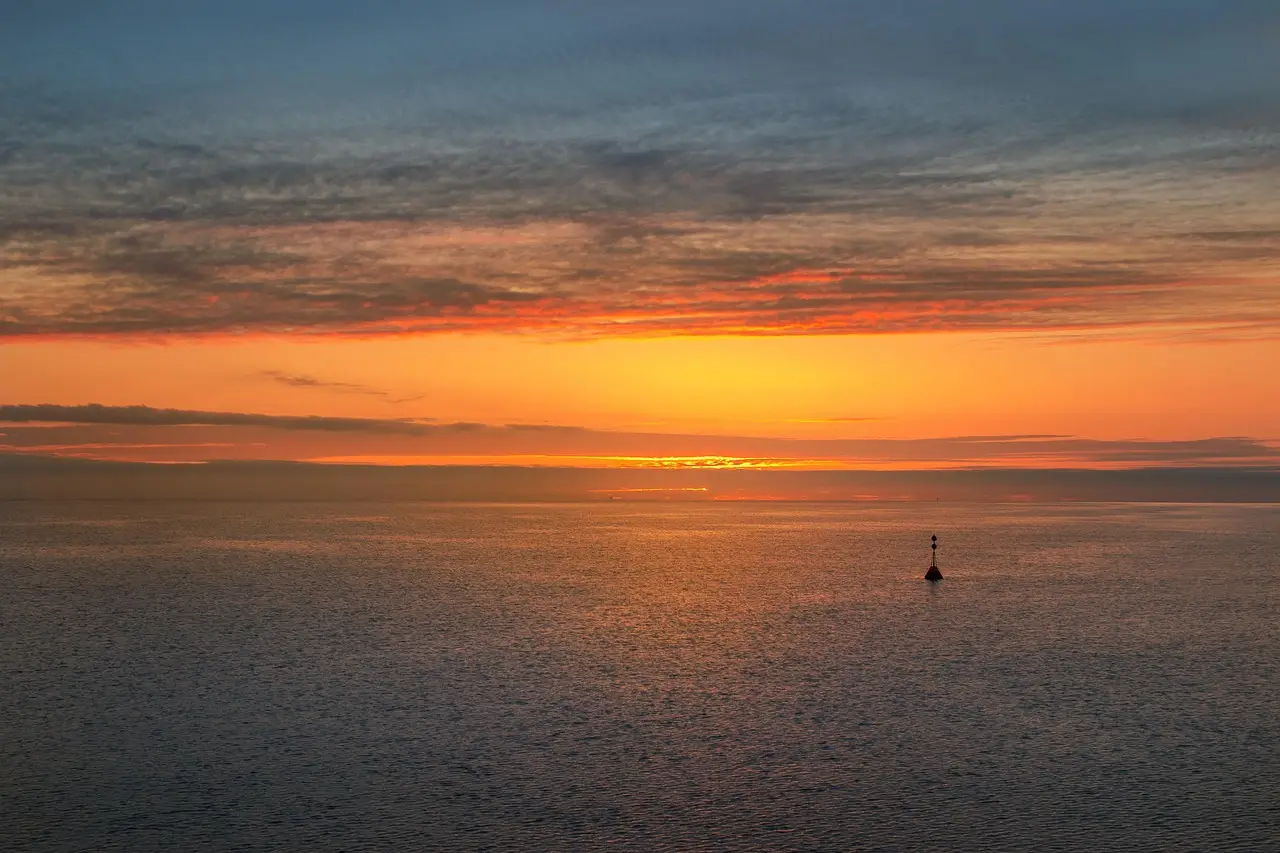
Broad stairways climb the building's flanks to the rooftop square. From there, a sequence of terrace steps descends toward a small pier, a helicopter pad and the open Gulf of Finland. The route turns the entire building into a pedestrian landscape. You walk on it before you enter it.
Under that walkable surface sits a program list that reads like a compressed city block:
- An amphitheater seating 4,200 people
- A foyer of 6,000 square meters
- An ice hall
- Cafés
- A bowling alley
- A recording studio
The section is dense. The roof is empty by design. That contrast carries the architecture.
Why was it built, and for what event?
The building opened in the summer of 1980 as the V. I. Lenin Palace of Culture and Sport, in time for the sailing regatta of the Moscow Olympics. Tallinn hosted that regatta on behalf of a capital with no coastline — Moscow sits inland, and the Olympic sailors needed Baltic water.
Linnahall did not stand alone. It was one of more than 120 projects planned under the city's Olympic program, alongside:
- The yachting center in Pirita
- The TV Tower
- Hotel Olümpia
- A new airport terminal
The Olympic program effectively rebuilt Tallinn's waterfront infrastructure in a single coordinated push, and Linnahall served as its ceremonial anchor between the medieval city and the regatta waters.
What does the building change for architects reading it today?
Two lessons stand out. First, the roof-as-square predates the current fashion for walkable building tops by decades; here it is not an amenity bolted on but the primary civic gesture, available to anyone who climbs the stairs without a ticket. Second, the height restraint toward the Old Town shows a Soviet-era project practicing the kind of contextual deference that heritage boards now demand by statute.
The terrace steps still run down toward the pier and the Gulf of Finland, which means the building's original promenade logic — arrive from the boulevard, cross the roof, descend to the water — remains legible in the fabric of the city.
Original: en.wikipedia.org
More from Marcus Bennett
Show full bio
Correspondent covering money, funding and market shifts around construction industry, architecture, interior design at Built Current.
250 articles