JR East Tested Rolling Robot Trash Bins at Shinjuku Station
JR East ran robotic trash bins from Cartken through Shinjuku Station from September 8 to November 20, 2026, at eight inches per second. Staff make over ten collection trips a day. No savings tally yet.
- Section
- Urbanism & Planning
- Author
- By Priya Raman
- Filed
- Length
- 3 min read
Key takeaways
- JR East trialed three robotic trash bins at Shinjuku Station from September 8 to November 20, 2026, on weekdays inside the ticket gates.
- The robots are retooled Cartken autonomous delivery robots, with operations handled by Mitsubishi Electric and Melco Mobility Solutions.
- Shinjuku station staff make more than ten trash collection trips a day, the station manager told TBS.
- The robots traveled at about eight inches per second — under half a mile per hour — and self-navigated back to the waste collection area.
- No public figure exists yet for how many collection trips the robots saved.
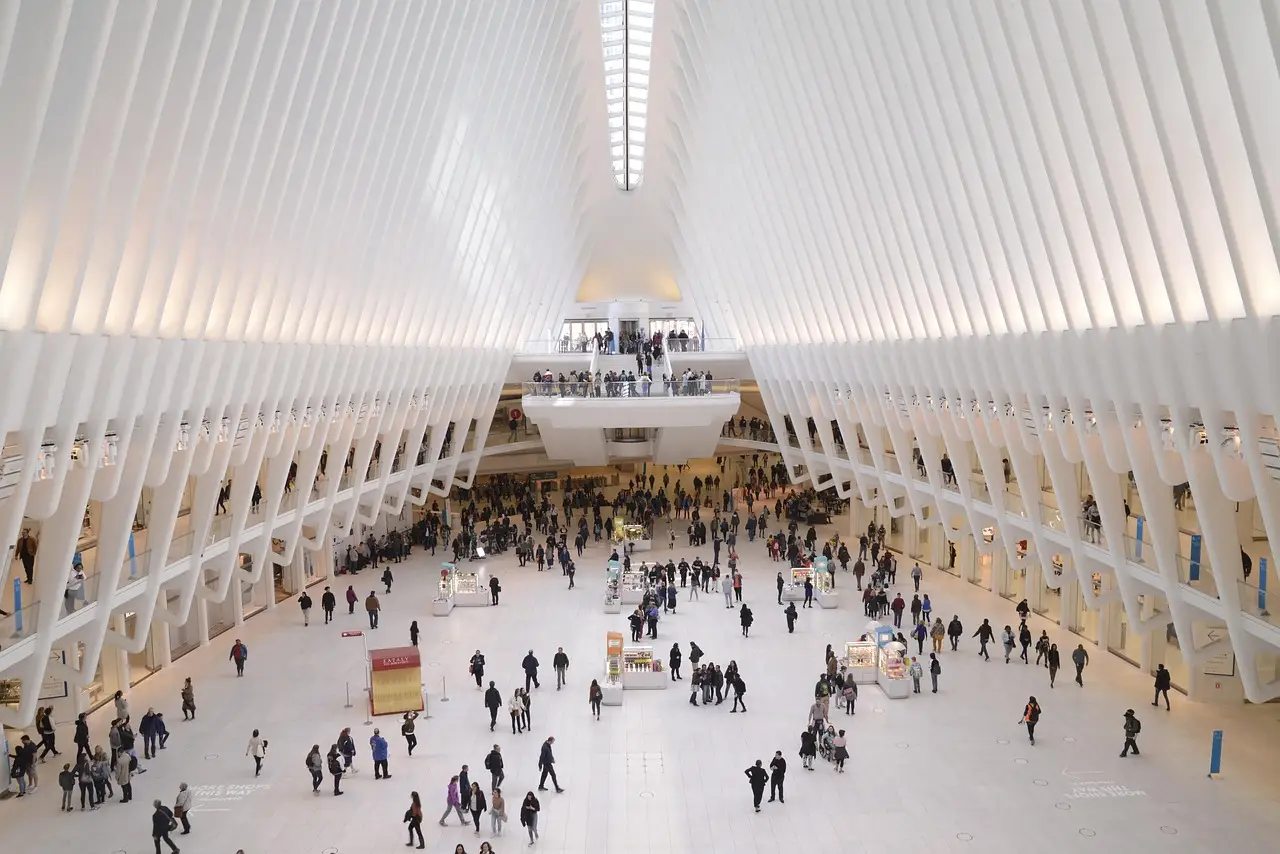
Three robotic trash bins spent ten weeks rolling through the underground concourse of Tokyo's Shinjuku Station, and the trial wrapped on November 20, 2026, with no public count yet of how much work they actually saved. East Japan Railway Company, better known as JR East, ran the weekday experiment from September 8 inside the station's ticket gates.
The numbers behind the trial are mundane and telling. Shinjuku's station manager told TBS that staff make more than ten collection trips a day because the fixed bins fill quickly. Adding more stationary bins would help passengers but would still leave workers with a full round of bins to visit. The robots take on the walk, not the sorting: staff still handle the garbage once a machine returns to the station's waste collection area.
Where did the robots come from?
The machines started life as autonomous delivery robots built by Cartken, the California-founded company whose boxy robots usually carry food and parcels. Mitsubishi Electric and Melco Mobility Solutions handled operations for the trial. Giving a delivery robot a trash can inverts its normal job. Instead of setting off loaded and returning empty, each machine picks up a little at a time along a programmed route and then drives itself back to the collection point.
JR East is listed as the designer of the trash-bin conversion.
What did the robots look like?
The visual details matter, because a rolling bin has to communicate fast. Each robot has:
- Separate, labeled openings for ordinary trash and recyclables
- Shinjukuma, the station's bear mascot, printed beneath the labels
- Big cartoon eyes and bright green, yellow, and orange bodies echoing the train liveries upstairs
The eyes make a machine look approachable. They can't tell you where your bottle goes. The labeled side openings do that job.
How fast did they move?
About eight inches per second — less than half a mile an hour. That pace suits a bin you're supposed to use as it passes. But a station concourse is full of behavior that doesn't fit a programmed route. Passengers spot a platform sign and change direction. Others stop to pull up a ticket, leaving a suitcase in the flow of traffic. JR East's stated focus was testing how the robots' sensors handled crowds, and whether the machines interfered with passengers reaching their trains.
Did the robots replace the regular bins?
No. JR East left the fixed trash cans in place for the entire trial. A stationary bin has one underrated feature: if you know where it sits, you can walk straight to it. A roaming bin is convenient only when paths cross, and no passenger should wait for one before catching a train. The dual setup gave the robots a narrower, more sensible job: an extra chance to ditch a coffee cup, without anyone depending on a moving target.
What happens next?
Nothing is confirmed yet. The trial has ended, but JR East has released no tally of collection trips the robots eliminated. That figure is the one that would justify deploying more of them. A line of passengers photographing a googly-eyed trash can proves the machines get noticed; it says nothing about workload on an ordinary Tuesday, once the novelty fades. By then, the best measure of success may be invisibility: a passenger drops in a wrapper, keeps walking, and the bin takes the longer trip.
Source: Yanko Design
More from Priya Raman
Show full bio
News editor covering people, launches and day-to-day practice in construction industry, architecture, interior design at Built Current.
386 articles