How One Summer Job at 15 Built a Native Construction Career
Adam Pardun, a Mille Lacs Band of Ojibwe descendant, worked nearly 20 TERO projects before rising to superintendent. His playbook: mentorship, tribal partnership, and planning beyond closeout.
- Section
- Construction
- Author
- By Priya Raman
- Filed
- Length
- 3 min read
Key takeaways
- Adam Pardun started construction at 15 through the Tribal Employment Rights Office program on a hotel addition project.
- He gained hands-on experience on nearly 20 projects across central Minnesota through the TERO program.
- He earned a construction management degree from Dunwoody College of Technology.
- His credits include Target Field in Minneapolis and the Grand Casino Hinckley Hotel and Event Center.
- Pardun is now superintendent II at Adolfson & Peterson Construction, working on a tribal project.
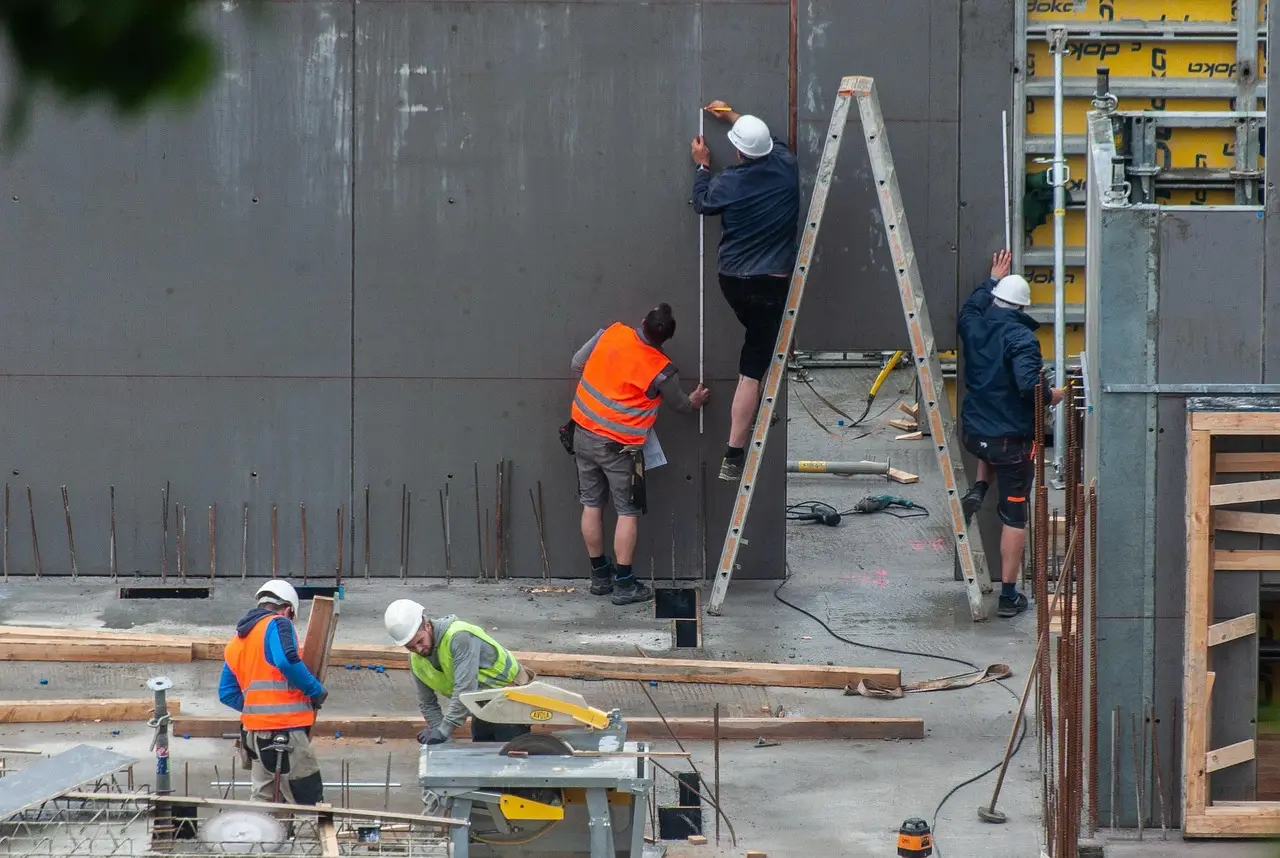
Adam Pardun was 15 when a summer construction job through a tribal employment program set him on a path to becoming superintendent II at Adolfson & Peterson Construction. His career since spans nearly 20 projects across central Minnesota, including Target Field, home of Major League Baseball's Minnesota Twins.
Writing during Native American Heritage Month, Pardun argues that contractors working on tribal projects carry obligations that outlast the jobsite. "As a descendant of the Mille Lacs Band of Ojibwe, creating opportunities for Native American workers is personal to me," he writes in an opinion piece.
His entry point was structural. His father served as construction manager for the Band, and the Tribal Employment Rights Office program — TERO, the mechanism that enforces tribal sovereignty and employment preference laws — gave him a first job on a hotel addition project. "I was looking for summer work, but that job helped me find a lifelong career," Pardun writes.
What does TERO actually change for contractors?
TERO offices enforce tribal preference laws that guarantee Native people access to employment, training and business opportunities on tribal projects. Pardun calls meeting those requirements "an essential responsibility for contractors." Compliance alone, he argues, is the floor — not the plan.
After high school, Pardun worked on nearly 20 projects through TERO. He then joined a general contractor building the Grand Casino Hinckley Hotel and Event Center. During that project he joined a union and stayed with the firm after completion. A superintendent on a later job recognized his potential and pushed him toward further education. He earned a construction management degree from Dunwoody College of Technology.
"Each step built on the one before it," he writes. "TERO helped me get started, and the experience and encouragement that followed helped me to keep going."
Start with the tribal nation's priorities
Pardun's practical advice begins before staffing decisions. Every tribal nation sets its own workforce requirements and priorities, and understanding them belongs in project preparation alongside the plans and schedule. Contractors should connect with tribal leaders and TERO representatives early, he writes, and ask three questions:
- What opportunities are available for Native workers?
- What skills would the nation like to develop?
- How can the project support those goals?
The answers shape a workforce plan that reflects the nation's priorities from day one, rather than retrofitting compliance later.
Pair employment with mentorship
A first job shows someone a future in construction. Mentorship, Pardun writes, "helps them understand what that future could look like and how to work toward it." His own method starts with knowing each worker — their experience, how they learn, where they want to go — then tailoring guidance and hands-on training while balancing encouragement with clear expectations.
That support prepares workers for next steps: a specialized trade, union membership, education or greater responsibility. A superintendent's encouragement once made education feel possible to him. "That experience has stayed with me and shapes how I support others today," he writes.
Build past the completion date
Construction projects end. Relationships, in Pardun's model, should not. He advises contractors to plan a worker's next step before their assignment ends — discussing upcoming staffing needs with tribal workforce partners, exploring other projects or training opportunities, and holding early conversations even when no position is available, because lead time widens options.
At closeout, he argues, partners should review more than participation numbers. What skills did workers gain? Who took on more responsibility? What could the team improve next time?
Pardun now superintends a tribal project, back where his career began. His closing challenge to construction leaders is concrete: before the next project breaks ground, sit down with tribal partners and define what workers will gain and how the team will support their growth. "The careers and relationships we help build can be just as lasting as the projects themselves," he writes. "At 15, I couldn't have pictured where that summer job would take me. I hope more young people get the chance to find out for themselves."
Source: Construction Dive
More from Priya Raman
Show full bio
News editor covering people, launches and day-to-day practice in construction industry, architecture, interior design at Built Current.
328 articles