How Hurricane Hattie Gave Belize a New Inland Capital, Belmopan
Hurricane Hattie destroyed 80 percent of Belize City on October 31, 1961, killing nearly 300 people and pushing the cabinet to build Belmopan 50 miles inland by 1964.
- Section
- Urbanism & Planning
- Author
- By Amara Osei
- Filed
- Length
- 2 min read
Key takeaways
- Hurricane Hattie struck Belize City on October 31, 1961, destroying roughly 80 percent of its infrastructure and killing nearly 300 people.
- In 1964 the cabinet selected an inland site near Roaring Creek Village, 50 miles west of Belize City, for the new capital.
- British Honduras became a formal British colony in 1862, later adopting the name Belize as it moved toward independence.
- Belize City sat on a sea-level, water-surrounded peninsula, making it vulnerable to tropical storm surges.
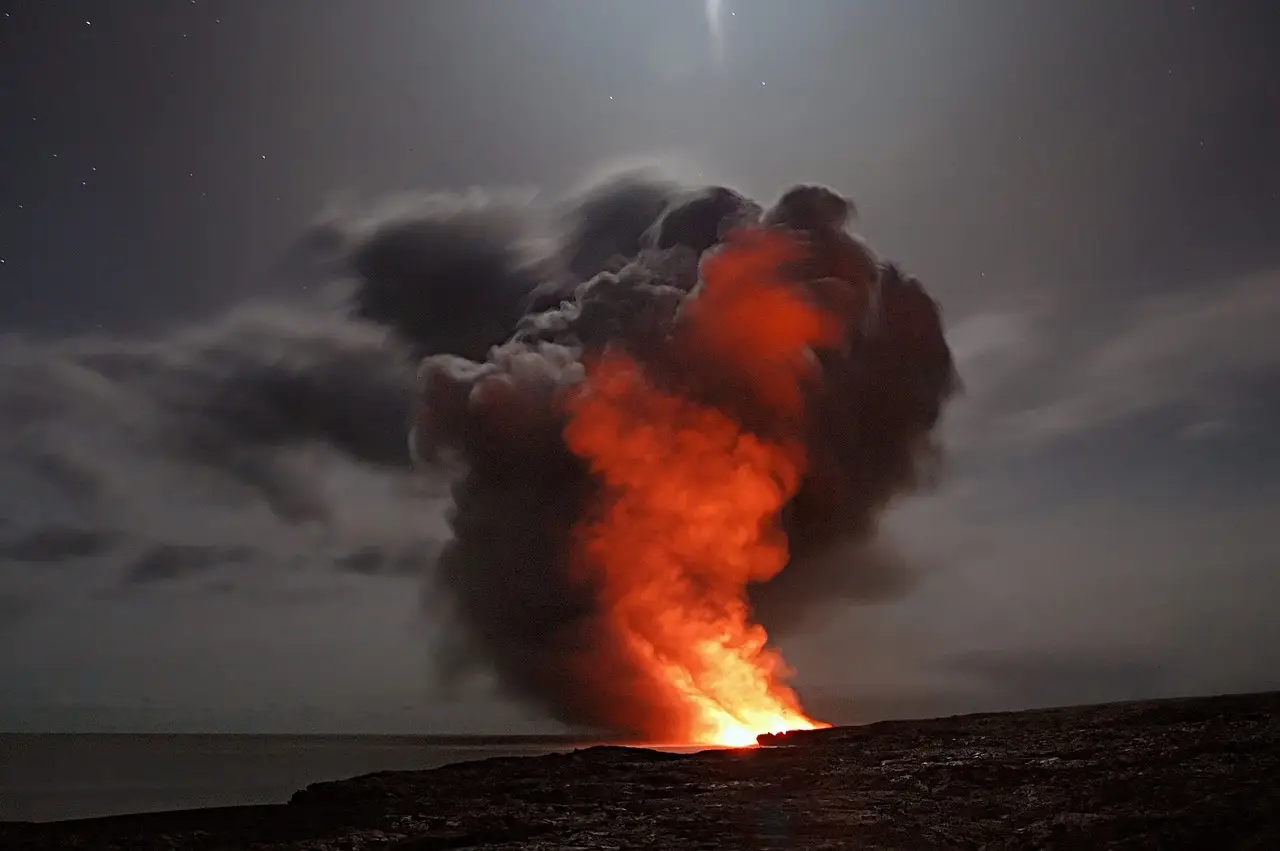
Hurricane Hattie destroyed roughly 80 percent of Belize City's infrastructure in a single night, killing nearly 300 people and setting British Honduras on the path to building an entirely new capital inland. The storm made landfall on October 31, 1961, and hit the old capital — a Caribbean port town — with a force that exposed just how fragile a seat of government can be when it sits on a water-surrounded peninsula at sea level.
The destruction prompted authorities to re-evaluate the nation's urban future. If British Honduras wanted to enter independence with a capital that could survive the next storm, it would have to start over somewhere safer. In 1964, the cabinet formally selected an inland site near Roaring Creek Village, 50 miles west of Belize City. The location offered two advantages: protection from tropical storm surges and a position near the geographic center of the future nation.
Why did a country build a capital from scratch?
Belize's history made the decision unusual among its neighbors. Bordering Mexico to the north, Guatemala to the west and south, and the Caribbean Sea along its eastern edge, the small Central American country was known as British Honduras for most of its past. Britain formally made it a colony in 1862 — long after its Central American neighbors had won independence from Spain.
As the territory moved toward independence, it adopted two symbols of its emerging identity: a new name, Belize, and a new capital. That capital, Belmopan, was conceived not merely as a place to govern a new nation. It was also a hedge against hurricanes putting the country's institutional stability at risk.
What did the geography of Belize City get wrong?
The old capital's problems were physical and, in hindsight, obvious. Belize City occupied a peninsula at sea level, surrounded by water and exposed to the Caribbean's storm corridor. Hattie's 80 percent destruction rate turned that vulnerability into a policy argument no one could ignore.
The 1961 hurricane remains the pivot point. Nearly 300 deaths and near-total infrastructural loss made the case that reconstruction in place would simply rebuild the same risk. The 1964 cabinet decision to move 50 miles inland to Roaring Creek Village's vicinity traded coastal commerce for elevation and distance from storm surge.
What does Belmopan's origin story mean now?
The founding logic of Belmopan — safety and centrality over port convenience — anticipated a debate that climate vulnerability has since made routine across the Caribbean and Central America. Belize's capital stands as one of the region's clearest examples of a state relocating its institutional core in direct response to a single documented disaster rather than gradual decline or political bargaining.
Belmopan's origin in the wreckage of Hurricane Hattie remains the essential fact of its planning history: a capital born from 80 percent destruction, one night, and a cabinet decision three years later.
Original: britannica.com
More from Amara Osei
Show full bio
Market editor covering companies, deals and strategy in construction industry, architecture, interior design at Built Current.
258 articles