SOM's 20.6-Square-Kilometre Egyptian City Will Thread 22km of Lagoons
SOM's Alam Al Roum masterplan near Marsa Matrouh covers 20.6 square kilometres of Mediterranean coast with 22km of seawater lagoons doubling as stormwater infrastructure, with phase one due in 2030.
- Section
- Urbanism & Planning
- Author
- By Amara Osei
- Filed
- Length
- 3 min read
Key takeaways
- Alam Al Roum will cover 20.6 square kilometres along 7.2 kilometres of Mediterranean coastline near Marsa Matrouh.
- The SOM masterplan includes 22 kilometres of seawater-connected lagoons supporting stormwater management.
- The first phase, covering four square kilometres, is expected to commence in 2030.
- Developer Qatari Diar is the client; CEO Hamad bin Talal Al-Thani calls it a year-round coastal city.
- SOM previously produced the initial design concept for Egypt's new capital city east of Cairo.
SOM has unveiled a masterplan for a 20.6-square-kilometre city on Egypt's Mediterranean coast that will stretch 7.2 kilometres along the shoreline and carry 22 kilometres of seawater-connected lagoons through its streets. The city is named Alam Al Roum, and it will sit near Marsa Matrouh.
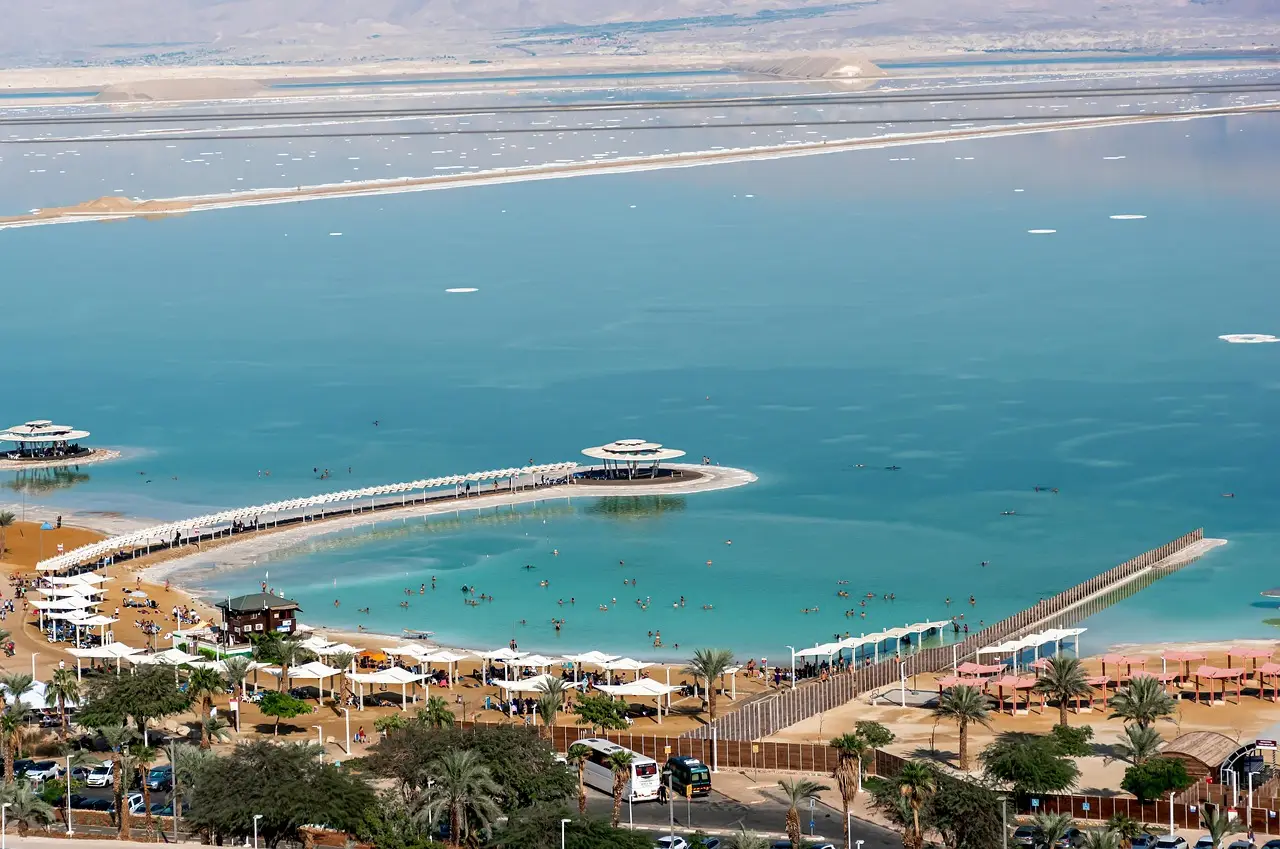
The lagoons aren't ornamental. SOM says they will weave through the built environment to support stormwater management, with swimmable sections alongside the working infrastructure. The development will be elevated to accommodate changing coastal conditions, and its waterfront will get what the firm calls natural interventions: riparian buffers, stormwater wetlands, stabilised dunes and living shorelines.
"The Mediterranean is home to some of the world's great cities, shaped over centuries by climate, culture and economic forces," said SOM principal Thomas Hussey. "Alam Al Roum presents a rare opportunity to imagine a new city from the ground up, one that responds to the realities of climate change while offering an exceptional quality of life."
What will the city actually contain?
Plenty, per the programme. Designed for developer Qatari Diar, Alam Al Roum will include:
- Beachfront and lagoon-side neighbourhoods
- Town centres
- Hospitality and resort areas
- Golfing facilities
- An education district
- A business hub
A grand boulevard will form the urban spine, connecting an international marina on the Mediterranean Sea with a mobility hub further inland. The waterfront downtown, pitched as the engine of a year-round cultural destination, will hold a cultural pier, lighthouse, amphitheatre, yacht club, mosque and markets.
SOM says it oriented buildings and public spaces around Egypt's north coast landscape and climate, making use of coastal breezes and sunlight — passive measures dressed up as luxury, which is arguably how it should be done.
When does construction start?
The first phase is expected to commence in 2030. It covers four square kilometres and includes a beachfront stretch, open-sea-connected lagoons and a town-centre marina.
"Alam Al Roum represents our vision for a new generation of Mediterranean destinations – one that goes beyond the traditional seasonal resort to create a vibrant, year-round coastal city," said Qatari Diar CEO Hamad bin Talal Al-Thani.
"We are bringing together nature, the sea, hospitality and everyday life within a carefully planned environment that reflects the unique character of Egypt's north coast," he continued. "Through our partnership with SOM and our global network of experts, we are creating a destination that is rooted in its landscape and climate, while setting a new benchmark for integrated coastal development in the Mediterranean."
A second city-building act for SOM in Egypt
Alam Al Roum is SOM's second shot at city-scale planning in Egypt in recent years. Egypt established a new capital city east of Cairo, whose initial design concept SOM produced before the international building consultancy Dar al-Handasah Shair & Partners developed it further.
With construction pencilled in for 2030 and a client that has already built one megaproject from an SOM sketch, Alam Al Roum gives the firm a chance to test whether a Mediterranean city designed for climate reality — rather than adapted to it after the fact — can actually hold water.
Original: som.com
More from Amara Osei
Show full bio
Market editor covering companies, deals and strategy in construction industry, architecture, interior design at Built Current.
258 articles